
Fertilization
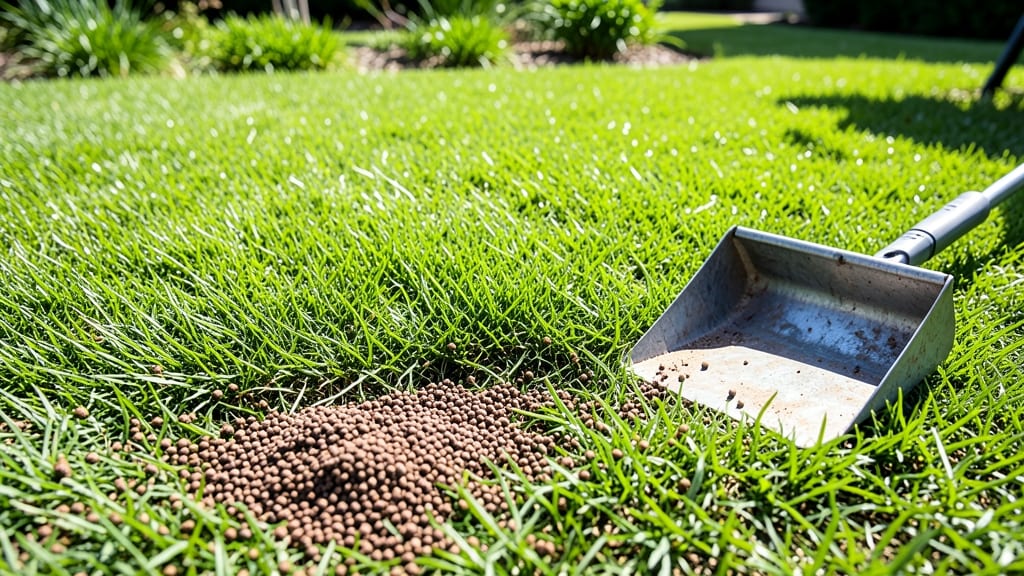
Fertilizing grass in Texas at the right time is the key to a thick, heat-resistant lawn — and missing the window can leave your 🌱 struggling under scorching sun or drowning in sudden summer storms.
Texas summers are brutal on grass, so timing matters more than the product you choose. Too early, and you’ll burn roots in the heat; too late, and your lawn won’t recover before winter. The best window? Early spring and fall, when temperatures stay mild and rain is less unpredictable.
Most Texas grass types—like Bermuda, St. Augustine, or Buffalo—thrive with two feedings a year, but drought and sudden downpours can throw off even the best plan. We’ll break down the exact months to fertilize, how to adjust for extreme heat, and which fertilizers work best for your local climate.
Skip the guesswork: learn the seasonal schedule that keeps your lawn lush without wasting money or risking damage. Whether you’re dealing with 95°F heat or unexpected rain, this guide has you covered.
Optimal fertilization timeline for Texas grass types (Bermuda, St. augustine, Zoysia)
Texas lawns face unique challenges—scorching summers, unpredictable rain, and soil that can quickly become nutrient-depleted. The key to a healthy Texas lawn lies in understanding when and how to fertilize each grass type.
Bermuda, St. Augustine, and Zoysia all thrive in Texas heat but have distinct fertilization needs tied to seasonal shifts and temperature thresholds. Timing is everything: fertilize too early or late, and you risk burning grass or wasting nutrients.
Most Texas gardeners make the mistake of fertilizing during peak summer heat, which stresses grass and leads to brown patches. Instead, focus on spring and fall when temperatures are moderate—ideal for root growth and nutrient absorption.
For Bermuda grass, this means starting in early spring, while St. Augustine benefits from late spring applications. Zoysia, the most drought-tolerant of the three, can handle a slightly later schedule but still avoids summer extremes.
Here’s the seasonal breakdown you need, including temperature thresholds and fertilizer type recommendations to keep your lawn lush without overburdening it.
| Season | Grass Type | Best Time to Fertilize | Temperature Range | Fertilizer Type | Notes |
|---|---|---|---|---|---|
| Spring | Bermuda | Early March–April | 55°F–80°F | Slow-release (16-4-8) | First feeding after dormancy breaks |
| Spring | St. Augustine | Late April–May | 65°F–85°F | Quick-release (30-0-4) | Avoid high nitrogen in peak heat |
| Spring | Zoysia | March–Early April | 60°F–75°F | Slow-release (16-4-8) | Drought-tolerant; reduce watering post-fertilization |
| Summer | All Types | Avoid (unless overseeding) | Above 90°F | N/A | Grass goes dormant; risk of burn |
| Fall | Bermuda | September–October | 70°F–85°F | Slow-release (16-4-8) | Strengthens roots for winter |
| Fall | St. Augustine | October–November | 60°F–75°F | Quick-release
How Texas heat and rain affect fertilizer timing (and what to do when it’s too hot)Texas summers push grass to its limits—temperatures above 95°F can shock roots, while sudden downpours wash away nutrients before they’re absorbed. The key to a healthy lawn? Adjusting your fertilizer schedule based on heat waves and rain patterns. Unlike cooler climates, Texas lawns need a more flexible approach to avoid nutrient burn or wasted applications. Most gardeners fertilize in spring and fall, but Texas heat forces delays. When thermometers climb, grass goes dormant to conserve water, making it resistant to fertilizers. Even if you’re eager to see green growth, feeding during peak heat can lead to brown patches and stressed turf. The solution? Split applications and prioritize slow-release fertilizers when you do feed. ⚠️ callout warning ⚠️
⚠️ Heat & Rain Fertilizer Rules for Texas
If you’re fertilizing in summer, time it for early morning or late evening when temps dip below 85°F. This reduces stress on roots and improves nutrient uptake. For St. Augustine or Bermuda grass, consider a light application of 16-4-8 fertilizer in late summer to support root growth before winter. Always water deeply after feeding to help nutrients penetrate the soil. Sudden rain complicates things further. Heavy storms can wash away up to 50% of applied fertilizer, making your efforts pointless. To combat this, use water-soluble fertilizers with rain guards or opt for organic options like compost tea, which bind better to soil. If rain is forecasted within 24 hours, delay fertilization until conditions improve. Watch for over-fertilization signs: dark green patches, rapid growth followed by wilting, or a chemical smell after watering. These indicate excess nutrients. In such cases, flush the lawn with 1-2 inches of water to dilute the soil and reduce burn risk. For drought-stressed lawns, focus on recovery with iron supplements instead of heavy nitrogen feeds. For drought-tolerant grasses like Buffalo grass, reduce fertilizer entirely during dry spells. These varieties thrive on minimal feeding and prioritize deep root systems over rapid top growth. Instead of pushing for quick results, prioritize soil health with mycorrhizal fungi or bio-stimulants to improve resilience during Texas’s extreme seasons. |