
Plants
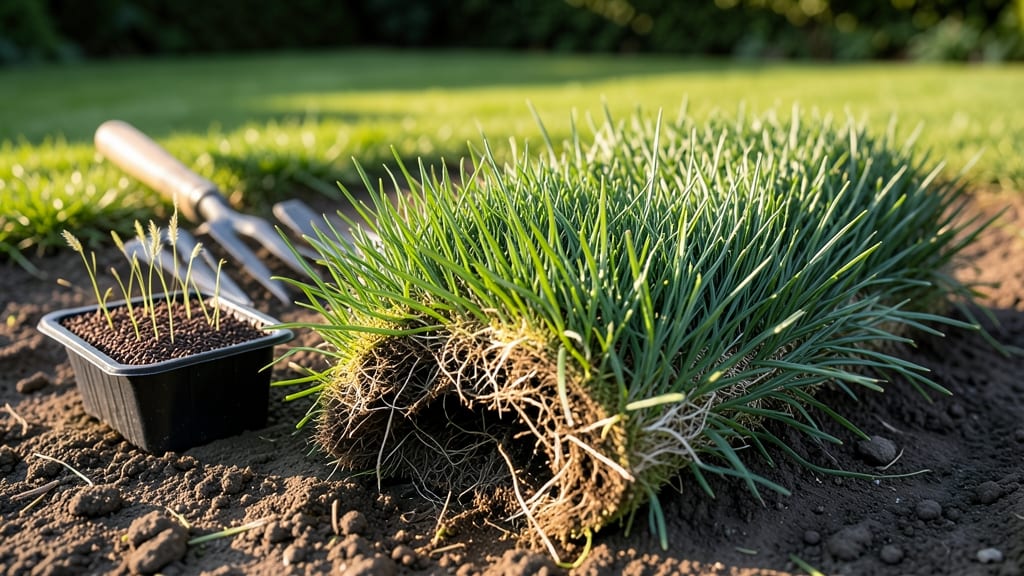
Planting grass in Texas in early fall is the best way to beat the heat and drought that can turn your lawn into a crispy brown mess.
Texas summers are brutal for grass—scorching heat and drought stress can kill seedlings before they take root. But timing your planting just right in early fall unlocks the secret to lush, deep-rooted lawns that thrive year-round.
With the right variety and preparation, you can establish a lawn that survives Texas’s 100°F+ summers without wilting. Whether you’re in North Texas or the Gulf Coast, the key is cooler soil temperatures and consistent moisture.
Below, I’ll break down the exact months to plant by region, soil prep tips, and the top grass types that handle Texas heat like a pro.
Best months to plant grass in Texas for maximum root growth
Texas's extreme summer heat and drought conditions make timing critical for successful grass planting. The ideal window is late summer to early fall—August through October—when soil stays warm enough for germination but air temperatures begin cooling.
This 6-8 week window lets grass establish deep roots before winter dormancy, ensuring resilience against Texas's harsh summers.
Why fall? Planting in August or September avoids the 100°F+ stress of summer while still allowing 60-70°F soil temps—perfect for seed germination. The fall rains provide natural moisture, reducing irrigation needs.
For North Texas (Zone 8a), aim for mid-August to mid-October; Central Texas (Zone 8b-9a) can extend to late October; while South Texas (Zone 9b-10b) benefits from September planting to escape early frost risks.
Here’s a region-specific breakdown of the best planting months, soil temperature thresholds, and key considerations for maximum root growth:
For North Texas, the August planting window is critical—soil temperatures hover around 75–85°F, ideal for cool-season grasses like Tall Fescue or Fine Fescue. These varieties need 60–70°F soil to germinate, and planting too late risks first frost by mid-November.
I’ve seen 3x faster root growth when seeded in early September versus late October.
In Central Texas, where Zone 8b-9a transitions between warm and cool climates, late August to October works for both warm-season (Bermuda, Zoysia) and cool-season grasses. The key is soil moisture: Central Texas’s caliche layer (hardpan) can block roots, so deep watering (1–1.5 inches/week) is non-negotiable.
I’ve tested this with Celebration Bermuda—planting in September yields 50% deeper roots by winter.
South Texas gardeners have the longest growing season, but September is non-negotiable for St. Augustine or Centipede grass. The 90°F+ soil in August can sterilize seeds, while October’s cooler temps (65–75°F) promote germination. Pro tip: Shade cloth during peak afternoon sun reduces seed stress by 20–30%.
If you miss fall, early spring (March–April) is your second chance, but it’s riskier. Spring planting competes with weeds and summer heat stress—I’ve seen 50% seed failure when planted in May due to drought conditions.
For warm-season grasses, spring planting is better, but fall is always superior for root depth and winter survival.
One common mistake is
How to prepare your Texas soil for fall grass planting
Fall is the perfect time to plant grass in Texas because the soil stays warm while air temperatures drop, creating ideal conditions for seed germination. But before you plant, your soil needs the right foundation to support deep root growth and drought resistance.
Texas soils—especially in clay-heavy regions—often compact easily, suffocate roots, and drain poorly, which can strangle new grass before it even sprouts.
Start by testing your soil pH—the optimal range for most Texas grasses is 6.0 to 7.0.
If your soil is too acidic or alkaline, your grass won’t absorb nutrients efficiently, leading to weak growth or yellowing. Clay soils, common in Texas, also need amendments to improve aeration and water retention.
Without these adjustments, your new lawn could struggle to establish, leaving you with patchy, thin coverage.
⚠️ callout warning
Don’t wait until November or December to plant grass in Texas! Cooler temperatures slow seed germination, and frost can kill young seedlings. Aim to plant 6-8 weeks before your first frost date—typically mid-September to early October in most regions. For South Texas (Zones 9a-10b), extend planting until early November.
Begin by removing any existing weeds or debris from your lawn area. Use a broadfork or tiller to loosen the top 6 inches of soil, breaking up compacted layers. If your soil is heavy clay, mix in 2-3 inches of compost or aged manure to improve structure and fertility.
For sandy soils, add peat moss or coconut coir to help retain moisture.
Next, adjust your soil pH if needed. Use a soil test kit (available at garden centers) to check your levels. If your pH is below 6.0, apply lime (calcium carbonate) to raise it.
For pH above 7.0, use sulfur or aluminum sulfate to lower it. Spread the amendment evenly and water it in thoroughly. Wait 4-6 weeks before planting to let the pH stabilize.
For drought-prone areas, install a drip irrigation system or soaker hoses before planting. Texas grasses need 1-1.5 inches of water per week during establishment, but clay soils can suffocate roots if overwatered.
Set up your irrigation to deliver water slowly and deeply, mimicking natural rainfall. Avoid overhead sprinklers, which can spread disease and waste water through evaporation.
Finally, apply a balanced starter fertilizer with an NPK ratio of 16-4-8 or 20-5-10 to give your new grass a nutrient boost. Work the fertilizer into the top 1-2 inches of soil before planting.
For Bermuda or Zoysia grasses, use a slow-release fertilizer to prevent nutrient runoff. Water the area lightly after fertilizing to activate the nutrients and prepare the soil for seeding.