
Lawn
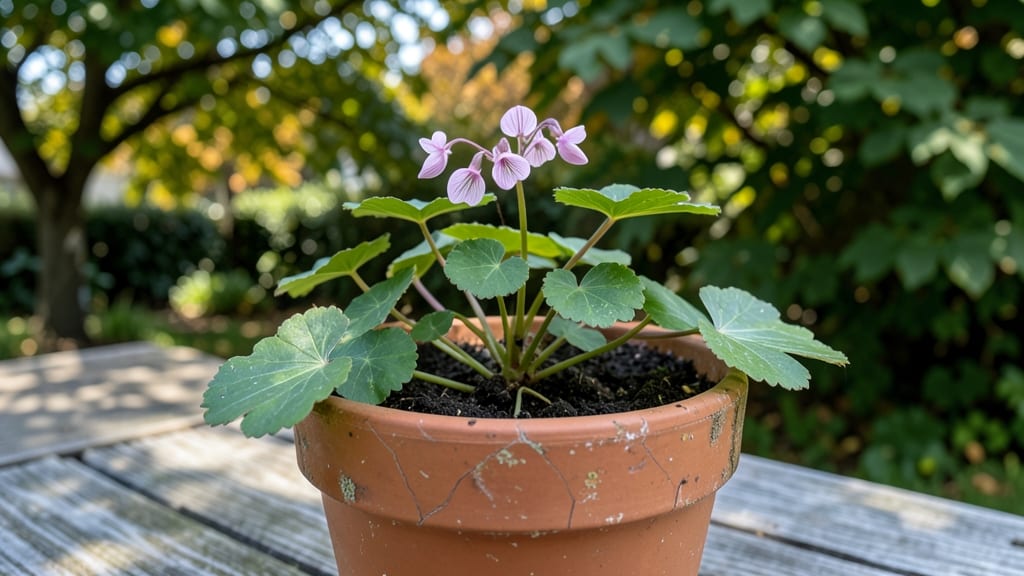
Growing sour grass (Oxalis spp.) means adding shockingly lush, cold-hardy foliage to your garden with almost no effort. 🌿 This plant thrives where others struggle—even in shady corners or containers—and its vibrant, clover-like leaves add instant texture.
The secret lies in its adaptability: it handles cold snaps, neglect, and poor soil better than most ornamentals, making it perfect for small spaces or forgetful gardeners. You’ll need well-draining soil (even sandy or rocky works), bright indirect light, and water only when the top inch feels dry.
Propagation is foolproof—just divide clumps or collect seeds from mature plants. The plant’s natural spread can be managed by pinching back stems or relocating runners to other containers. For edible varieties, the tangy leaves add a lemony kick to salads (though they’re non-toxic even if pets nibble).
By mid-spring, you’ll have a thriving ground cover or container specimen that blooms with delicate pink or white flowers. The foliage stays vibrant through frost, and the plant’s resilience means fewer headaches than fussy annuals. Perfect for borders, hanging baskets, or even as a living mulch under shrubs.
Watch for overwatering (yellow leaves are the first warning sign) and occasional slugs in damp climates. A quick spray of soapy water or diatomaceous earth keeps pests at bay. Once established, sour grass needs almost no maintenance—just occasional trimming to keep it tidy.
Try it in your shadiest spot this season!
📚 In This Guide
- What you need
- Instructions
- Tips and common mistakes
- Wrapping up and next steps
What you need
- ● Sour grass tubers or seeds: Choose cold-hardy varieties like Oxalis acetosella (wood sorrel) or Oxalis oregana. Start with 3–5 tubers or a small packet of seeds (about 10–20 seeds for a starter patch).
- ● Well-draining potting mix or garden soil: Sour grass hates soggy roots! Use a mix with peat, perlite, or sand (e.g., 50% potting soil + 50% perlite) for containers. For in-ground planting, amend clay soil with compost or coconut coir.
- ○ Containers (optional but recommended for small spaces): Plastic or terracotta pots: 6–8 inches deep with drainage holes (use 2–3 tubers per pot).
- ● Window boxes or hanging baskets: Ensure they’re at least 6 inches deep.
- ● Drainage layer: Small rocks (½ inch gravel) or broken pottery shards to prevent root rot.
- ● Watering can or spray bottle: Sour grass prefers moist (not soggy) soil. A fine-mist sprayer helps avoid disturbing tubers.
- ○ Mulch (optional but helpful): A thin layer of straw or shredded leaves to retain moisture and protect tubers in winter.
- ● Garden trowel or small hand shovel: For transplanting tubers or digging in-ground holes (2–3 inches deep).
- ○ Glove (optional): Sour grass leaves can be slightly acidic—wear gloves if handling large quantities.
- ● Sunlight access: Partial shade (4–6 hours of indirect light daily). Avoid harsh afternoon sun in hot climates.
- ● Cold tolerance: Sour grass thrives in USDA Zones 3–9. No extra heat mats or grow lights needed!
- ● Patience (😉): Tubers take 4–6 weeks to sprout, and leaves may appear slow at first.
- ● Fertilizer: A balanced 10-10-10 or fish emulsion (diluted to half-strength) every 4–6 weeks during growing season.
- ● Soil pH tester: Aim for slightly acidic to neutral (pH 6.0–7.0). Adjust with lime or sulfur if needed.
- ● Decorative stones or pebbles: For a polished look in containers—place on top of mulch to deter pests.
- ● Propagating tray: If you want to divide tubers later, a shallow tray with drainage works great.
Step-by-step instructions for growing cold-resistant sour grass
Here's how to cultivate these hardy, drought-tolerant beauties in containers or small spaces.
🌱 Step 1: Select the Right Variety and Prepare the Soil
Choose cold-hardy sour grass varieties like Oxalis triangularis or Oxalis acetosella—they thrive in zones 3-9. These plants love well-draining soil, so mix 2 parts potting mix with 1 part perlite to prevent root rot. I always add a handful of compost to the mix for extra nutrients without compacting the soil.
If planting in containers, use pots with drainage holes at least 6 inches deep. For in-ground planting, amend the native soil with 1 inch of compost and work it into the top 6 inches of soil. Sour grass hates soggy roots, so avoid heavy clay soils unless you're amending heavily.
☀️ Step 2: Plant in Partial Shade with Moisture Control
Sour grass thrives in partial shade—think 4-6 hours of morning sun with afternoon shade. In hotter climates, dappled sunlight or filtered light works best. I plant mine under deciduous trees where they get bright but indirect light most of the day.
Dig a hole twice as wide as the root ball but only as deep as the container it came in. Gently remove the plant, loosen the roots if pot-bound, and place it in the hole. Backfill with soil, pressing lightly to remove air pockets. Water deeply after planting to settle the soil around the roots.
💧 Step 3: Water Consistently Without Overdoing It
Keep the soil evenly moist but never soggy—sour grass roots rot quickly in waterlogged conditions. Water when the top inch of soil feels dry to the touch. I use a moisture meter for accuracy, especially in containers where soil dries faster.
In containers, water at the base to avoid wetting the leaves, which can cause fungal issues. If growing in-ground, a 2-inch layer of mulch helps retain moisture and regulate soil temperature. Reduce watering in winter unless you're in a very dry climate.
✂️ Step 4: Prune and Divide for Healthy Growth
Deadhead spent flowers in early spring to encourage new growth and prevent self-seeding if you don’t want volunteers popping up. I snip off the seed heads with clean pruners, leaving about ½ inch of stem to avoid damaging the plant.
Every 2-3 years, divide mature clumps in early spring. Dig up the plant, separate the sections with a clean knife, and replant the divisions. This rejuvenates the plant and gives you extra sour grass for sharing or expanding your garden.
🌿 Step 5: Protect from Pests and Winter Conditions
Watch for slugs and snails, which love tender sour grass leaves. I use copper tape barriers around containers or handpick pests in the evening when they’re most active. Avoid chemical pesticides—they can harm beneficial insects and leave residues.
Sour grass is cold-hardy but benefits from a 2-inch layer of mulch in winter to protect the roots. In containers, move pots to a sheltered spot or wrap them in burlap if temperatures drop below 10°F. Most varieties bounce back quickly in spring.
Tips & tricks for perfect sour grass plant cultivation
These practical insights will help you grow thriving, cold-resistant sour grass that thrives in containers or small spaces.
Soil Mixing Secret: When combining your 2 parts potting mix with 1 part perlite, sift the perlite first to remove any fine particles that could compact the soil. I also recommend adding a handful of worm castings to the compost—it boosts microbial activity that helps roots absorb nutrients more efficiently. This extra step makes a noticeable difference in early growth.
Lighting Strategy: For that crucial 4-6 hours of morning sun, position your containers near an east-facing window or under a sheer curtain that filters harsh afternoon rays. If growing in-ground, observe your plants' leaves—if they look pale or stretched, they need more light. Conversely, if leaves develop brown patches, they're getting too much direct sun, especially in hotter climates.
Watering Precision: The "top inch dry" test works best when done at the same time each day—morning is ideal. I've found that using a spray bottle for container plants helps distribute moisture evenly without disturbing the soil. For in-ground plants, water deeply but infrequently to encourage deep root growth, which makes your sour grass more drought-resistant over time.
Winter Protection: When temperatures drop below 10°F, I've had great success using thick burlap wrapped around containers and secured with twine. For in-ground plants, add an extra 1-inch layer of straw mulch over your existing 2-inch layer—this creates an insulating blanket that protects roots from freeze-thaw cycles. Most varieties will surprise you with their resilience!
Pro Tips for Sour Grass Plant
- These practical insights will help you grow thriving, cold-resistant sour grass that thrives in containers or small spaces.
- Soil Mixing Secret: When combining your 2 parts potting mix with 1 part perlite, sift the perlite first to remove any fine particles that could compact the soil.
- Lighting Strategy: For that crucial 4-6 hours of morning sun, position your containers near an east-facing window or under a sheer curtain that filters harsh afternoon rays.
Frequently asked questions
Got questions about growing sour grass? We’ve got answers!
Whether you’re a beginner or just want to troubleshoot, here are the most common queries about this hardy, low-maintenance plant.
What’s the best time to plant sour grass?
Plant sour grass in early spring or fall when soil temperatures are cool (50–70°F). Avoid summer heatwaves—young plants struggle with drought stress. For container growing, transplant seedlings anytime the soil isn’t frozen, but spring gives them a head start!
How cold-hardy is sour grass really?
Most varieties tolerate USDA Zones 3–9, surviving winters down to –30°F with proper mulching. In containers, move pots to a sheltered spot or wrap them in burlap for extra protection. Just avoid soggy soil—freeze-thaw cycles can damage roots.
Can I grow sour grass in containers?
Use 5+ gallon pots with drainage holes and a mix of 60% potting soil and 40% sand/perlite for airflow. Dwarf varieties like ‘Little Gem’ thrive in containers, but expect slower growth. Rotate pots occasionally for even sunlight exposure.
Why is my sour grass turning yellow or brown?
Yellowing leaves often signal overwatering or poor drainage. Brown patches? Likely drought stress or fungal issues (like rust). Check soil moisture—sour grass prefers dry to moderately moist conditions. Fungicides (neem oil) can help if mildew appears.
What’s a good alternative if sour grass is too slow-growing?
Try fescue grass (fast-spreading, shade-tolerant) or buffalo grass (drought-resistant, low-maintenance). For ornamental options, sedum or creeping thyme offer similar ground cover with faster color/flavor benefits (if edible!).
Pro Tip:
Mulch with pine straw or wood chips to retain moisture and suppress weeds—sour grass hates competition! And if you’re growing it for livestock forage, harvest leaves before they flower for the best nutritional value.
Wrapping up and next steps
Growing sour grass (Oxalis spp.) is a rewarding way to add vibrant, cold-resistant greenery to your containers or small yard—no green thumb required! Whether you’re drawn to its striking foliage or its hardy nature, this plant thrives with minimal fuss, making it perfect for beginners and busy gardeners alike. 🌱
Ready to transform your space? Start by choosing your favorite variety (like Oxalis acetosella for woodland charm or Oxalis triangularis for bold patterns), then grab your supplies and follow the steps above.
Before you know it, you’ll have a lush, low-maintenance lawn that pops with color—even in cooler months. Happy planting! 🌿✨