
Fertilization
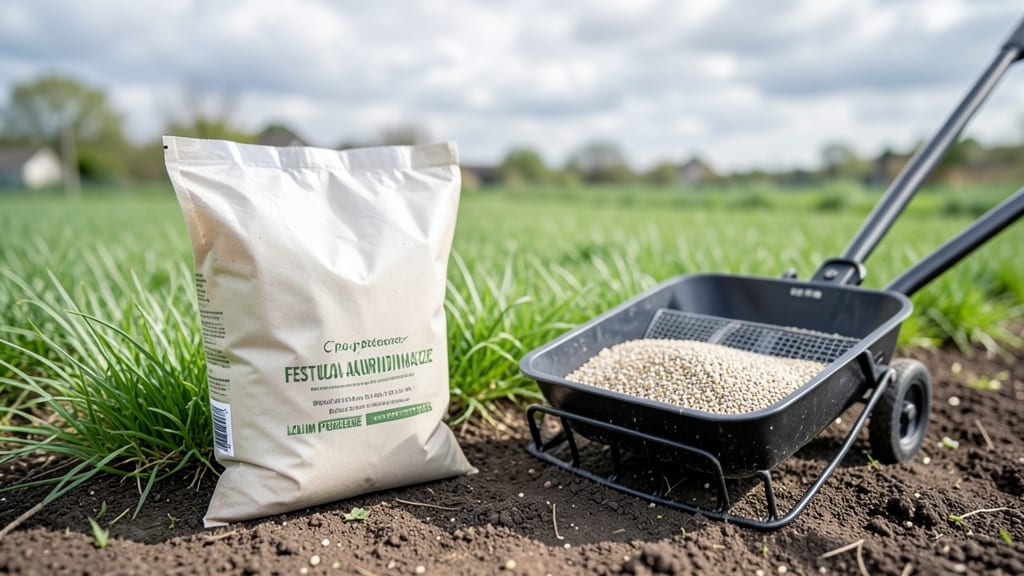
You should fertilize new grass 4-6 weeks after seeding when soil temperatures hit 50-55°F—the sweet spot for root growth before summer heat arrives.
Skipping this window means weak roots struggling to hold soil, while fertilizing too early can burn tender seedlings. I’ve seen both mistakes leave lawns patchy and thin, no matter how much water you add.
Early spring is your best bet for cool-season grasses like Kentucky bluegrass or fescue, while warm-season types like Bermuda grass wait until late spring. The key is matching your grass type to the season’s timing.
Below, I’ll walk you through the exact steps to time your first feeding, plus how to spot when your grass is truly ready—no guesswork, just stronger roots from day one.
The ideal early spring fertilization timeline for new grass seed
Timing your first fertilizer application is critical for new grass seed—apply too early, and you risk burning tender roots; wait too long, and your lawn misses its growth window.
The optimal window for early spring fertilization begins 4-6 weeks after germination, once your grass has developed a 2-3 inch root system. This timing ensures nutrients support root growth without overwhelming young plants.
Soil temperature plays a starring role in this process. Grass seed needs soil temps between 50-55°F to germinate, but roots won’t establish quickly enough for fertilizer until they reach 60°F consistently.
In cooler climates (USDA Zones 3-5), this often means waiting until late April or early May, while warmer zones (6-9) can start as early as March.
⚠️ CRITICAL: Never fertilize when soil temps drop below 50°F—this slows nutrient absorption and can harm seedlings. Use a soil thermometer to track temps at 2-inch depth for accuracy.
Climate zones dramatically shift your fertilization timeline. In cooler northern zones (3-5), where frost lingers into May, aim for your first feed in late April—once daytime highs consistently hit 65°F.
Meanwhile, southern zones (7-10) can start as early as mid-March, but watch for heat stress if temps spike above 80°F.
Late spring applications (June or later) are a common mistake—by then, your grass may already be heat-stressed or drought-prone. Fertilizer applied too late can burn roots or force weak growth before winter dormancy. Instead, prioritize early spring feeding to build resilience for summer challenges.
For cool-season grasses (like Kentucky bluegrass or fescue), stick to a high-nitrogen starter fertilizer (30-0-5 ratio) at the 4-6 week mark. Warm-season grasses (like Bermuda or Zoysia) need a balanced 10-10-10 applied when soil temps hit 70°F+, typically in late spring.
Pro tip: Pair fertilization with deep watering (1/2 inch) to help roots absorb nutrients. Avoid overhead sprinklers for 24 hours post-application to prevent fertilizer runoff. If your lawn shows yellowing or wilting after feeding, flush the soil with water to reduce salt buildup.
Remember, patience pays off. Rushing fertilization can set your lawn back, while waiting too long means missed growth opportunities. Use a soil thermometer and monitor your grass’s progress—when those blades reach 2-3 inches tall and roots are visible when pulled gently, it’s time to feed.
🌱 For a thicker lawn, combine early spring fertilization with regular mowing (3-4 inches height) and light overseeding in fall. This two-season approach ensures your grass stays lush year-round.
Signs your new grass is ready (and not ready) for fertilizer
Knowing when to fertilize new grass is key to avoiding common mistakes like burning tender shoots or stunting root growth. Young grass needs time to establish its root system before it can properly absorb nutrients from fertilizer.
If you apply too early, you risk nutrient overload that can harm delicate seedlings.
Instead, focus on these visual cues to determine readiness. Healthy new grass should show vibrant green blades and steady growth before you even consider fertilizing. These signs indicate the roots are strong enough to handle additional nutrients without stress.
⚠️ callout-warning ⚠️
⚠️ Don’t Fertilize Until:
- ✖️ Grass blades are pale or yellowish (sign of stress)
- ✖️ Soil feels dry or compacted (roots need moisture first)
- ✖️ Grass hasn’t reached 2-3 inches tall (root depth matters)
⚠️ Wait until: Blades are deep green, soil is moist but not soggy, and grass has established roots (pull a blade gently—roots should hold).
One of the biggest mistakes beginners make is fertilizing new grass too soon after seeding. The first 4-6 weeks are critical for root development, and adding fertilizer during this time can disrupt growth or even kill young plants.
Instead, focus on keeping the soil consistently moist and ensuring your lawn gets 6-8 hours of sunlight daily.
If your grass shows signs of nutrient imbalance, like dark green patches with yellow tips, it may need a light application of nitrogen. However, this should only happen after the grass has been established for at least 6-8 weeks.
Use a slow-release fertilizer to avoid shocking the roots with a sudden nutrient boost.
Another key sign your new grass is ready for fertilizer is when it resists being pulled easily. Gently tug a small section of grass—if it stays firmly in place, the roots are likely strong enough to handle fertilization.
This test is especially useful in cooler climates where growth slows down, making it harder to spot readiness through visual cues alone.
Once your grass passes these checks, apply a starter fertilizer with low nitrogen content (like a 10-0-10 blend) to encourage root growth without overwhelming the young plants. Always water the lawn thoroughly after fertilizing to help the nutrients absorb into the soil.