
Companion Plants
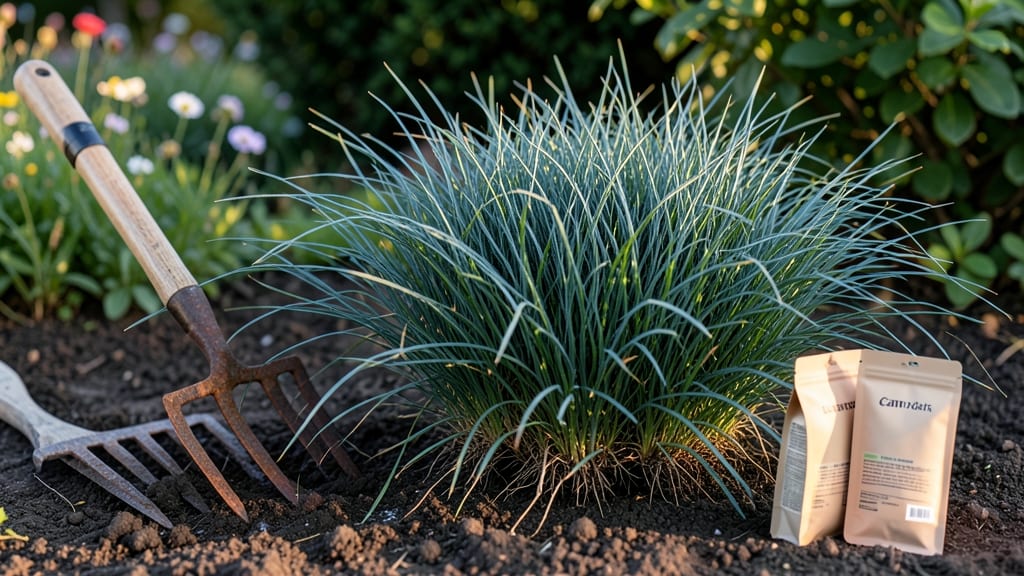
Planting grass seed in Colorado at the right time is the key to a thick, green lawn that survives the state’s dry spells and temperature swings.
Picture this: you’ve spent hours spreading seed, only to watch it wither under a late spring frost or bake in the summer heat. That’s why timing matters more than most gardeners realize—especially in Colorado’s 5-7 USDA zones, where altitude and microclimates can shift the ideal window by weeks.
Fall and spring are your best bets, but not all months work equally. In the Front Range, early April through mid-May and late August through early October give grass seed the 60-75°F soil temps it craves for strong root growth.
Meanwhile, the Western Slope’s cooler nights and earlier frosts demand a tighter schedule.
Below, I’ll break down the exact months to plant, how to prep your soil, and the watering tricks that keep 🌱 new grass thriving—no matter where you live in Colorado.
Best months to plant grass seed in Colorado for maximum success
Colorado’s diverse climate and microclimates make timing critical for grass seed success. Plant too early, and heat stress or drought can kill seedlings. Plant too late, and frost or winter dormancy stunts growth.
The ideal windows are early fall and late spring, but regional differences matter—Front Range lawns thrive in September, while Western Slope areas benefit from April planting.
Fall planting (late August to early October) is my top recommendation for most Coloradans. Cooler soil temperatures (60-75°F) reduce water stress, and fall rains provide natural hydration. Grass seeds germinate slowly but establish deep roots before winter, giving you a hardier lawn next spring.
For high-altitude areas (above 7,000 feet), aim for early September to avoid early frost.
Spring planting (early April to mid-May) works best in lower elevations (Denver metro, Eastern Plains) where last frost dates are later. Seedlings need consistent moisture during germination, so plan for daily watering until roots establish.
Avoid planting in June or July—Colorado’s summer heat and dry winds create perfect conditions for seed desiccation and weed competition.
| Region | Best Planting Window | Soil Temp for Germination | Rainfall Support | Key Consideration |
|---|---|---|---|---|
| Front Range (Denver, Boulder) | Late August - Early October | 60-75°F | Moderate (fall rains) | Avoid late September frost |
| Western Slope (Grand Junction, Aspen) | Early April - Mid-May | 55-65°F | Low (irrigation needed) | Drought-prone; use mulch |
| Eastern Plains (Colorado Springs, Pueblo) | Early September or April | 65-70°F | Variable (check forecasts) | Windier; use erosion control |
| High Altitude (Above 8,000 ft) | Early September only | 50-60°F | Low (snowmelt helps) | Short growing season |
The Front Range (Denver, Boulder) benefits most from fall planting due to its moderate rainfall and cooler nights. I’ve seen Kentucky Bluegrass establish beautifully when planted in September, with roots reaching 4-6 inches deep before winter.
For cool-season grasses like Fescue, aim for late August to give seedlings time to harden off before first frost (usually mid-October).
In Western Slope regions like Grand Junction or Aspen, spring planting is often better due to drier conditions. The April-May window aligns with warmer soil temps and lower winds, reducing seed desiccation.
If you choose fall, plant by early September to avoid early frost. Bermuda grass thrives here but needs consistent irrigation during establishment.
For the Eastern Plains (Colorado Springs, Pueblo), both spring and fall work, but April is ideal for warm-season grasses like Buffalo Grass. The strong winds in this region demand proper soil prep—add compost and use straw mulch to retain moisture.
If planting in fall, focus on September to maximize root growth before winter.
Regardless of region, soil temperature is the #1 factor. Use a soil thermometer to confirm temps are 55-75°F before planting. In high-altitude areas (above 8,000 feet), even September planting can be risky—
How Colorado’s climate affects grass seed germination and establishment
Colorado’s unique climate—with its high altitudes, dry air, and temperature swings—creates challenges and opportunities for grass seed germination. Unlike coastal regions, Colorado’s low humidity and intense sun exposure demand precise timing and preparation.
If you plant too early, seedlings may bake in the heat; too late, and frost can kill tender sprouts. Understanding these factors ensures your grass establishes strong roots before winter or summer stress sets in.
The ideal soil temperature for grass seed germination in Colorado is between 50-65°F.
At higher elevations (like Denver’s 5,280 feet), cooler temperatures can delay germination, while lower elevations (such as Colorado Springs) may require earlier planting. Altitude adjustments are critical—every 1,000 feet gain can shift your optimal planting window by 1-2 weeks.
For example, a seed planted in September at 7,000 feet might germinate slower than one at 5,000 feet.
🌱 Key Takeaway: When to Plant Grass Seed in Colorado
- 🌿 Late August–Early October (Fall)
- 🌱 Early April–Mid-May (Spring)
- 💧 Soil temp: 50–65°F
- 🌬️ Altitude: Adjust by 1–2 weeks per 1,000 ft
- ☀️ Sun exposure: 6+ hours daily
- ❄️ June–July (heat stress)
- 🍂 November+ (frost risk)
- ❄️ Winter months (dormancy)
To prepare your lawn for success, focus on soil moisture retention—Colorado’s low humidity and windy conditions can dry out seeds quickly. I recommend mulching with straw after planting to lock in moisture and protect seedlings from evaporation and erosion.
A 1/4-inch layer of mulch works best, applied gently to avoid burying seeds too deeply. For high-altitude areas, consider a lightweight row cover to shield young grass from strong winds and harsh UV rays.
Watering schedules are another critical factor. During the first 3 weeks after planting, keep the soil consistently moist—about 1/2 inch of water per week. In Colorado’s dry climate, this means watering daily in the morning (before 10 AM) to reduce evaporation and fungal risks.
Once seedlings are established (around 3-4 inches tall), you can reduce to 2-3 times per week, ensuring water penetrates 4-6 inches deep to encourage deep root growth.
Seasonal adjustments are key. In spring, plant as soon as soil temperatures rise above 50°F, typically by late April. In fall, aim for early September to allow 6-8 weeks of growth before first frost.
For high-elevation areas (like Summit County), shift your timeline 2-3 weeks later to avoid late-season frosts. Always test your soil’s moisture levels with a trowel—if the top 1 inch feels dry, it’s time to water.
Finally, choose the right grass type for your Colorado microclimate. Cool-season grasses like Kentucky bluegrass and fescue thrive in the Front Range, while warm-season grasses like buffalo grass suit the Western Slope.
Tailoring your selection to your local climate zone ensures your lawn establishes faster and stronger, even in Colorado’s challenging conditions.