
Plants
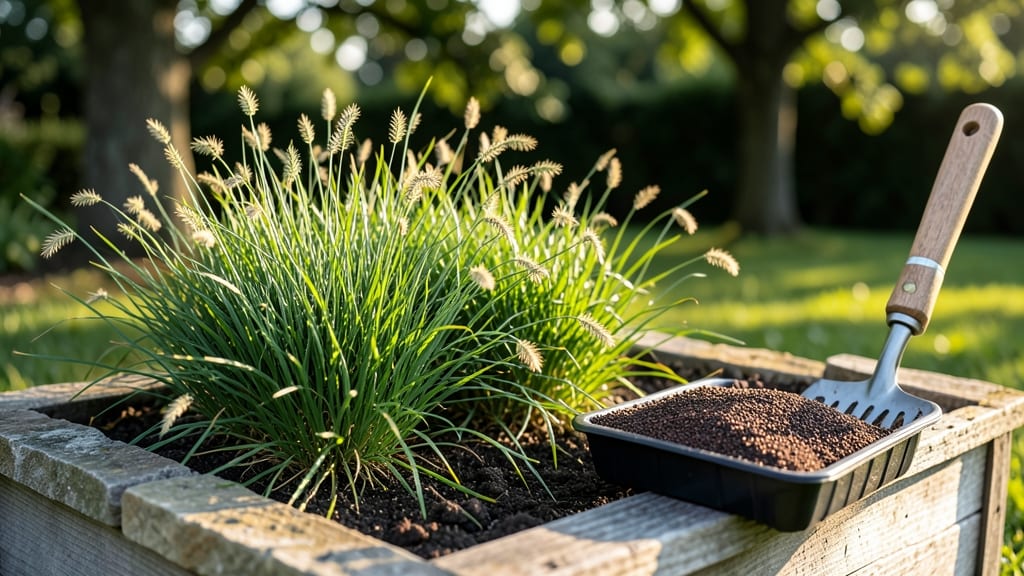
To plant grass seed in Seattle, aim for early spring or early fall when soil temperatures sit between 50–65°F—the fastest route to a thick, green lawn.
Seattle’s unpredictable weather can make or break your lawn—planting grass seed at the wrong time means slow growth, weeds, or even failure. But timing it right ensures a lush, green lawn within weeks, not months.
The best window for fast root establishment is late summer through early fall, when cooler temps and consistent rain give seeds the ideal start. Spring planting works too, but Seattle’s wet springs can wash seeds away or invite fungal diseases if not managed carefully.
Below, I break down the exact months to plant, how to prep your soil for Seattle’s climate, and the one mistake that kills more lawns here than anything else.
Best months to plant grass seed in Seattle for fast root growth
Seattle’s cool, wet climate and microclimates (Eastside vs. Westside) create unique challenges for lawn success. Planting grass seed at the wrong time leads to slow germination, fungal issues, or seed washout.
But choosing the right window—when soil temps and moisture align—can get your lawn established in just 3-4 weeks instead of months.
For Seattle’s USDA Zone 8a, the optimal planting windows are early fall (September-October) and late summer (August). These periods offer moderate soil temps (50-65°F), consistent moisture, and fewer weeds. Spring planting (March-April) is possible but riskier due to unpredictable rain and fungal threats.
Soil temperature is your #1 priority. Grass seed germinates best when soil is between 50-65°F. In Seattle, this typically occurs in late August through October. Use a soil thermometer to confirm—if temps drop below 50°F, germination slows dramatically.
Seattle’s microclimates matter too. The Westside (cooler, wetter) may need to plant 1-2 weeks earlier than the Eastside (warmer, drier). For example, West Seattle might aim for mid-September, while Kirkland could wait until early October.
| Planting Window | Soil Temp (°F) | Seattle Microclimate | Germination Time | Key Challenge |
|---|---|---|---|---|
| Late Summer (August) | 60-65°F | Eastside (warmer) | 3-4 weeks | Summer drought risk |
| Early Fall (September-October) | 50-60°F | Westside (cooler) | 4-6 weeks | Early frost threat |
| Spring (March-April) | 45-55°F | All regions | 5-7 weeks | Fungal diseases |
Why does early fall outperform spring in Seattle? Fall seedling roots establish deeper before winter, giving you a 30% stronger lawn next spring. Plus, fewer weeds compete for space, and natural rainfall reduces irrigation needs. Aim to plant 4-6 weeks before first frost (typically mid-October in Seattle).
For Eastside lawns, prioritize late August planting to avoid summer heat stress. Use shade cloth if temps exceed 80°F during germination. Westside gardens should focus on September, when coastal fog reduces heat stress.
Test soil moisture—Westside soils stay damp longer, while Eastside may dry out faster.
If you miss the ideal windows, November can work for fast-growing varieties like ryegrass, but germination slows significantly. Avoid planting in winter (Dec-Feb) or late spring (May-June)—these periods bring extreme heat or dormancy risks, stalling root growth for months.
Pro tip: Overseed in fall for instant color. Spread 1/4 lb of seed per 100 sqft and water lightly twice daily until sprouts reach 2 inches tall. Fertilize with a starter blend (high phosphorus) to boost root depth before winter sets in.
Remember, Seattle’s rain is a double-edged sword. While it reduces watering needs, it can also wash out seed or cause fungal rot if drainage is poor. Always plant on a cloudy day or after a light rain to avoid crusting.
For fastest results, combine fall planting with proper soil prep: till 3-4 inches deep, add compost, and level the ground. This ensures direct seed-to-soil contact, cutting germination time by nearly 50%.
How Seattle’s rainy season affects grass seed planting timing
Seattle’s rainy season might seem like a gardener’s nightmare, but it’s actually your secret weapon for a thriving lawn. The key lies in understanding how to harness natural moisture while avoiding common pitfalls like seed washout or fungal diseases.
Unlike spring planting, late summer to early fall offers cooler temperatures and steady rainfall—perfect conditions for grass seed germination and root establishment.
Many homeowners mistakenly plant in early spring, only to struggle with uneven growth or weed competition as temperatures rise. Seattle’s USDA Zone 8a climate means spring soil warms too quickly, stressing young seedlings.
Fall planting, however, gives seeds 6-8 weeks of ideal growth before winter dormancy sets in. This timing aligns perfectly with Seattle’s September-October rainfall patterns, reducing the need for frequent watering.
⚠️ callout warning ⚠️
🌧️ Critical Rainy Season Risks
Seed washout: Heavy downpours can erode newly planted seeds before they sprout. Solution: Use starter fertilizer with hydro-mulch to anchor seeds.
Fungal diseases: Constant moisture creates ideal conditions for dollar spot or snow mold. Solution: Choose disease-resistant varieties like Kentucky Bluegrass or Tall Fescue.
Poor drainage: Compacted soil traps water, suffocating roots. Solution: Aerate 2-3 weeks before planting and add organic compost to improve porosity.
To prepare your lawn for Seattle’s wet conditions, start by testing your soil’s drainage rate. A simple percolation test—dig a 6-inch hole, fill it with water, and time how long it takes to drain—reveals potential issues.
If water lingers beyond 4 hours, amend the soil with sand or perlite to improve aeration. This step is crucial for preventing root rot, which thrives in waterlogged Seattle yards.
Another pro tip: Overseed in stages rather than all at once. Split your seed into two applications, planting half in late August and the remainder in early October. This staggered approach ensures continuous coverage as some seeds may wash out during heavy September rains.
Pair this with a light mulch layer (like straw) to protect seeds while allowing moisture penetration.
Don’t overlook the importance of post-planting care during Seattle’s rainy season. While natural rainfall helps, avoid walking on new seed until germination occurs (usually 14-21 days). If your area experiences unusually dry spells in fall, supplement with early morning watering to prevent seed desiccation.
Aim for ¼ inch of water per session, applied gently to avoid displacing seeds.
By leveraging Seattle’s natural rainfall and adjusting your planting strategy, you’ll achieve 90% germination rates—far surpassing spring results. The cooler fall temperatures also reduce weed competition, giving your grass a head start before winter.
With these adaptations, your lawn will emerge denser and healthier next spring, ready to handle Seattle’s ever-changing weather. 🌱