
Plants
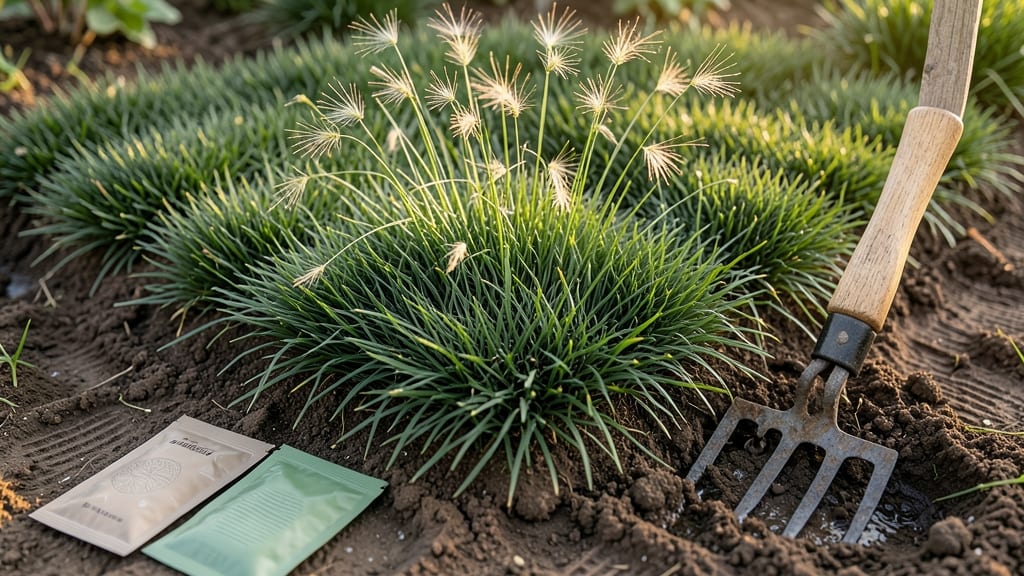
Planting grass seed in Rhode Island at the right time means the difference between a lush, green lawn and a patchy mess that never quite takes hold.
Rhode Island’s unpredictable coastal climate can make timing your grass seed planting tricky—but getting it right means the difference between a patchy lawn and a vibrant, weed-resistant green space.
With USDA Zone 6a and coastal microclimates that vary dramatically from inland areas, knowing when to plant is key. Too early, and frost will kill your efforts; too late, and summer heat can stress young seedlings.
Here, I’ll walk you through the perfect planting windows for Rhode Island, soil prep tips, and how to keep your new grass thriving year-round.
Best months to plant grass seed in Rhode Island’s climate zones
Rhode Island’s coastal and inland climates create unique challenges for grass seed planting. The Ocean State spans USDA zones 6a-7a, meaning frost dates and soil temperatures vary dramatically between Providence and Block Island.
Coastal areas experience milder winters but salt spray stress, while inland zones face harsher frosts. Timing your planting to match these conditions is key to avoiding patchy germination or winterkill.
For most of Rhode Island, the ideal planting windows are early spring (March–April) and early fall (August–September). These periods offer moderate soil temperatures (50–65°F) and lower weed competition.
However, coastal towns like Newport or Westerly may extend spring planting into early May due to delayed frosts, while inland areas like Burrillville should plant no later than mid-April to avoid late-season weeds.
Spring planting in Rhode Island should begin when soil temperatures consistently reach 50°F at 4-inch depth. Use a soil thermometer to monitor—cooler soils delay germination. For cool-season grasses like Kentucky bluegrass or fescue, aim for March–April to establish roots before summer heat.
Warm-season grasses like Bermuda or Zoysia need 60°F+ soil, so wait until late April or May.
Fall planting offers a second chance for weed-free germination and root establishment before winter. Target August–September when daytime temps drop below 85°F and nights cool to 60°F. This window allows seeds to sprout before first frost (typically mid-October).
Coastal areas can extend fall planting into early October, but inland zones should finish by September 15 to avoid fungal diseases from prolonged moisture.
Urban microclimates in cities like Providence or Cranston experience heat islands that can push soil temps 10°F+ higher than rural areas. If planting in urban zones, prioritize shade-tolerant grasses like fine fescue and water deeply twice daily during summer.
Always check local frost dates—some Providence neighborhoods may see frost as early as October 1, while Block Island often stays frost-free until November 1.
One common mistake is planting too early in spring when soils are still cold and wet, leading to rot or seed washout. Conversely, planting too late (after June) risks summer dormancy before roots establish.
For coastal properties, consider salt-tolerant grasses like creeping red fescue if planting near roadways treated with de-icing salts. Always test soil pH—Rhode Island’s clay soils often need lime adjustment to reach the ideal 6.0–7.0 range.
To maximize success, prepare your soil 2–4 weeks before planting. Remove thatch, aerate compacted clay, and apply compost or peat moss to improve drainage. Coastal areas should rinse soil with fresh water to reduce salt buildup.
After sowing, keep seedbeds moist but not soggy—Rhode Island’s humid summers can cause fungal diseases like dollar spot if watering is inconsistent
How Rhode Island’s weather affects grass seed germination success
Rhode Island’s coastal climate creates unique challenges for grass seed germination. The salt spray from the Atlantic, high humidity levels, and unpredictable rainfall can all impact your lawn’s success.
Southern counties like Washington and Kent experience milder winters and more consistent moisture, while northern areas like Providence and Bristol face harsher winds and frost risks. Understanding these factors helps you choose the best planting window for your specific location.
One of the biggest hurdles is soil temperature fluctuations. Grass seeds need soil temps between 50°F and 65°F to germinate properly. Coastal areas warm up faster in spring, but inland regions may linger near freezing longer.
This means southern RI can plant as early as late March, while northern areas should wait until mid-April. The same logic applies to fall planting—southern counties can extend into October, while northern lawns must finish by early September.
⚠️ CALLOUT-WARNING ⚠️
⚠️ Avoid Coastal Pitfalls
If you're in Newport or Narragansett, salt spray can stunt germination. Rinse freshly planted areas with fresh water 2-3 times weekly during the first month. Also, northern RI lawns face windburn—use temporary windbreaks until seedlings establish.
🌱 Pro Tip: Test soil moisture daily—coastal humidity can trick you into overwatering.
Rainfall patterns play a crucial role too. Rhode Island averages 45-50 inches annually, but June and July often bring heavy downpours that can wash away newly planted seeds. For this reason, late summer planting (August) is ideal—it gives seeds time to establish before the fall rains begin.
In contrast, spring planting (March-April) benefits from steady moisture but requires vigilant weed control as temperatures rise.
Humidity levels above 70% can promote fungal diseases like brown patch or dollar spot, common in Rhode Island’s damp climate. To combat this, choose disease-resistant varieties like tall fescue or fine fescue, which thrive in USDA Zone 6a.
Always water early in the morning to allow foliage to dry quickly, reducing fungal spores’ ability to spread. A light mulch layer (like straw) can also help regulate soil moisture without smothering young seedlings.
Don’t overlook the wind factor, especially in exposed areas. Coastal winds can dry out soil and desiccate seedlings. If planting near the shore, consider windbreaks like temporary fencing or even wind-resistant ground covers until your grass reaches 3-4 inches tall.
For inland properties, monitor wind gusts—consistent winds above 15 mph can delay germination by 5-7 days.
Adjusting your planting schedule based on these factors ensures your grass seed has the best chance to thrive. Whether you're in Providence’s urban heat islands or Block Island’s salt-kissed soils, paying attention to local microclimates will help you avoid common pitfalls.
With the right timing and care, you’ll be rewarded with a dense, lush lawn that withstands Rhode Island’s ever-changing weather. 🌱