
Plants
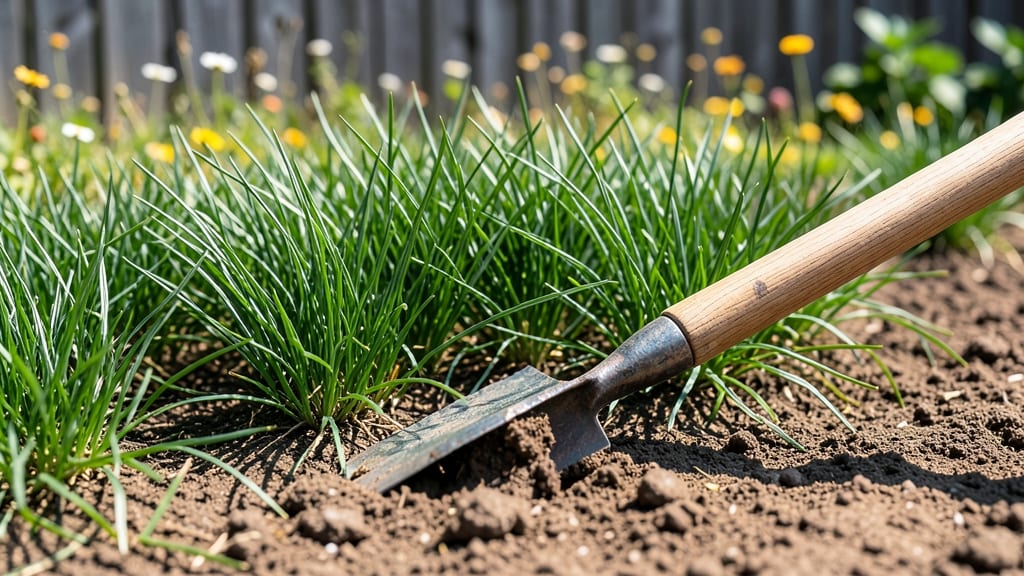
Planting grass seed in North Carolina at the right time means the difference between a thick, green lawn and a patchy, slow-growing mess.
Struggling to get a lush, green lawn in North Carolina? Timing your grass seed planting right can mean the difference between a patchy, slow-growing yard and a thick, vibrant carpet within weeks—not months.
The key lies in understanding your climate zone—whether you're in the Coastal Plain, Piedmont, or Mountains—because each has its own ideal window.
For most of North Carolina, the best times to plant are early spring (March-April) or early fall (September-October). These windows give your grass seed the perfect balance of moisture, temperature, and fewer weeds to compete with.
But if you're in Zone 6a, you might need to wait until after the last frost, while Zone 8b can start earlier.
Below, I’ll break down the exact months for your region, how to prep your soil for fast germination, and the top grass seed varieties that thrive in NC’s heat and humidity. No more guessing—just a lawn that looks like it belongs in a postcard.
Optimal North Carolina grass seed planting months by climate zone
North Carolina’s diverse climate zones—Coastal Plain, Piedmont, and Mountain regions—create wildly different conditions for grass seed germination. Planting at the wrong time can leave you with sparse, slow-growing grass or even total failure.
The key? Understanding your USDA hardiness zone (6a–8b) and aligning planting with local temperature and rainfall patterns.
In the Coastal Plain, milder winters and higher humidity mean you can start as early as February, while the Mountains often wait until late April due to frost risks.
The Piedmont falls somewhere in between, with ideal windows in March-April or September-October. Let’s break down the best months for each zone to ensure your lawn thrives.
🌱 Pro Tip: Soil temperature is your best guide—aim for 55–65°F for cool-season grasses like tall fescue and 65–75°F for warm-season types like Bermuda grass. Use a soil thermometer to check before planting.
Spring planting in North Carolina offers the fastest germination for cool-season grasses, but early fall is often the best time overall. Why? September–October provides warm soil, cooler air, and consistent rainfall—perfect for root establishment before winter.
In the Coastal Plain, you can even start in February, but avoid planting when daytime highs exceed 85°F, as seeds dry out too quickly.
For warm-season grasses like Zoysia or Centipede, wait until after the last frost date (typically mid-April in the Mountains, early March near the Coast). These grasses thrive in summer heat but struggle in cooler temperatures, so planting too early can stunt growth.
Use a seed starter fertilizer to jumpstart germination if you’re in a rush.
Rainfall patterns play a huge role in success. The Piedmont often sees drought conditions in late summer, so plan to water daily for 2–3 weeks after planting.
In contrast, the Coastal Plain’s high humidity can lead to fungal diseases like brown patch. Choose disease-resistant seed blends and avoid overhead watering to minimize risks.
Soil conditions matter just as much as timing. Test your soil’s pH level (ideal: 6.0–7.0 for most grasses) and amend with compost or peat moss if needed.
In the Mountains, where soil can be thin, add a topsoil mix to improve drainage and nutrient retention. 🌱 Pro Tip: Aerate compacted soil 2–3 weeks before planting to give roots room to spread.
If you miss the ideal windows, don’t panic. Late summer (August) can work for warm-season grasses in the Coastal Plain, while November is still viable in the Mountains for cool-season types.
Just be prepared for slower germination and more frequent watering. Always check the 7-day forecast before planting—consistent moisture is non-negotiable for the first 2–3 weeks.
One final tip: Mulch lightly with straw (not wood chips) after planting to retain moisture and protect seeds from birds. In windy Coastal areas, consider a lightweight netting to keep seeds in place. With the right timing and prep, you’ll see green shoots in
Signs your North Carolina lawn is ready for grass seed (and how to prep)
Knowing when to plant grass seed in North Carolina can transform your patchy lawn into a lush, green carpet. The key lies in reading your lawn's signals and preparing the soil correctly.
Look for soil temperatures between 60-75°F, weed-free patches, and consistent moisture—these are your green flags for planting.
North Carolina's USDA zones 6a-8b create microclimates where timing matters. Spring planting (March-April) and fall planting (September-October) offer the best conditions, but your lawn's current state might push you toward one over the other. Let's explore how to tell when your yard is ready.
⚠️ Critical Timing Warning
Planting grass seed in North Carolina's summer heat (June-August) causes seed desiccation and poor germination. Avoid this window unless using shade-tolerant varieties or hydroseeding. Fall planting (after Labor Day) gives seeds 6-8 weeks to establish before winter dormancy.
Start by testing your soil temperature with a soil thermometer. For cool-season grasses like tall fescue, aim for 50-65°F—ideal for spring planting. Warm-season grasses like Bermuda prefer 70-85°F, making late spring to early summer better. Check temperatures in the early morning for accuracy.
Weed presence reveals soil health. If you see crabgrass or clover thriving, your lawn needs pre-emergent herbicide 2-4 weeks before seeding. Remove existing weeds by hand or with a non-selective herbicide like glyphosate, then wait 2-3 weeks before planting to avoid chemical residue harming new seeds.
Moisture levels are non-negotiable. Conduct a simple test: Dig a 6-inch hole and check if soil feels damp but not soggy. If it's dry, water deeply 2-3 days before planting to prepare the seedbed. Keep soil consistently moist (not waterlogged) for 14-21 days post-planting to encourage germination.
Prepare your soil by removing debris and aerating compacted areas with a core aerator. Loosen topsoil to 2-3 inches deep, then spread compost or peat moss to improve drainage and fertility.
Level uneven spots with a rake to create an even seedbed—this prevents thin patches and ensures uniform growth.
Finally, choose the right grass seed blend for your region. Coastal areas thrive with drought-resistant Bermuda, while Piedmont lawns often do best with tall fescue mixes. Apply seed at the recommended rate (usually 4-8 lbs per 1,000 sqft) and lightly rake it in.
Water gently to settle seeds into the soil, then maintain consistent moisture until germination.