
Plants
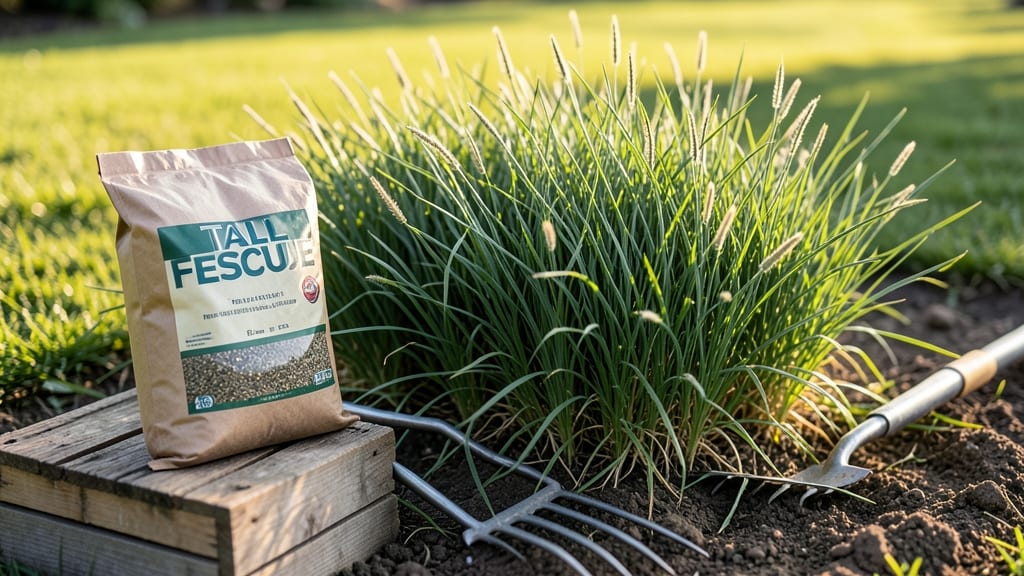
The best time to plant grass in Ohio is early spring or fall, when soil temperatures and moisture align perfectly for seed germination and root growth.
Ohio’s unpredictable spring weather can turn a perfect lawn into a muddy mess—or worse, a failed planting project—if you don’t time your grass seed just right.
Most Ohio gardeners in zones 6a-6b should aim for March to April in spring or September to October in fall, when frost risks are low and soil stays consistently warm.
Here’s how to pick the exact window for your region, plus the 5 critical factors that make or break your lawn’s success—from soil prep to watering schedules.
Ohio’s best grass planting months by climate Zone (2024 guide)
Ohio’s 12 distinct climate zones create wildly different conditions for lawn success—what works in Toledo’s Zone 6a may fail in Columbus’s Zone 6b. The key?
Planting when soil temperatures hit 55-65°F for cool-season grasses (like Kentucky Bluegrass and Tall Fescue) or 65-75°F for warm-season varieties (like Bermuda, though rare in Ohio). Timing isn’t just about months—it’s about avoiding late frosts and summer drought.
Most Ohio gardeners focus on cool-season grasses, which thrive in our climate. These grasses establish best in early spring (March-April) or early fall (September-October). The 6-8 week window before winter dormancy lets roots strengthen before cold sets in.
However, northern Ohio (Zones 5b-6a) has a shorter growing season, while southern Ohio (Zones 6a-6b) can extend planting slightly later.
Here’s the critical rule: Wait until soil warms to 55°F before seeding. Use a soil thermometer to check—planting too early risks frost damage, while waiting too long lets weeds take over.
In Zone 6a (Toledo, Cleveland), aim for late March to early April in spring; in Zone 6b (Columbus, Cincinnati), you might push to mid-April.
Fall planting offers a second chance for a thicker lawn. Seed 6-8 weeks before first frost (typically early September in northern Ohio, mid-September in the south). This gives grass time to establish before winter. Northern Ohio’s shorter fall means you must act fast—don’t wait past October 1st in Zones 5b-6a.
Ohio’s microclimates add complexity. Urban areas like Columbus (Zone 6b) often see warmer soil due to pavement, while rural Appalachian regions (Zone 5b) can lag 2-3 weeks behind. Check your local USDA zone and adjust by 1-2 weeks if your yard feels colder (shady) or warmer (south-facing).
Warm-season grasses like Zoysia or Bermuda (rare in Ohio) need soil temps above 65°F, typically late May to June. But these struggle with Ohio’s winters—most gardeners stick to cool-season blends for year-round success. If you’re experimenting, northern Ohio’s Zone 5b may not be ideal.
For northern Ohio (Zones 5b-6a), prioritize early spring planting—by April 15th at the latest. These areas have shorter frost-free windows, so fall planting must start by September 1st. In southern Ohio (Zone 6b), you have flexibility
5 Critical factors that determine success (beyond just months)
Timing your grass planting isn’t just about picking a month—Ohio’s microclimates and soil conditions play huge roles. Urban areas like Columbus often heat up faster than rural Toledo, creating different ideal windows.
Even within the same month, soil temperature can vary by 10°F+, making some days perfect while others disastrous.
For example, cool-season grasses (like Kentucky bluegrass) need soil temps between 55°F and 65°F to germinate, while warm-season varieties (like Bermuda) thrive at 70°F+. Ohio’s rainfall patterns also shift dramatically—spring showers can drown seeds, while summer droughts stress young roots.
Let’s break down the 5 non-negotiable checks before you plant.
- 🌡️ Soil Temperature: Use a soil thermometer—aim for 55°F-65°F for cool-season grass (most Ohio lawns). Warm-season grasses need 70°F+.
- 🌧️ Rainfall Forecast: Check 7-day predictions—plant when 1 inch of rain is expected within 2 weeks. Avoid planting before heavy rain.
- 🌿 Grass Seed Type: Ohio’s cool-season grasses (Kentucky bluegrass, fescue) dominate—plant 4-6 weeks before last frost. Warm-season (Bermuda, Zoysia) need after Memorial Day.
- 🏙️ Microclimate: Urban areas (e.g., Cincinnati) warm faster—plant 2 weeks earlier than rural zones. Test your yard’s heat with a sun/shade map.
- 💧 Water Access: Ensure consistent irrigation for 2-3 weeks post-planting. Drip systems work best—avoid overhead sprinklers that wash away seeds.
One common mistake? Planting cool-season grass in late spring when temps rise above 80°F. The seeds dormant instead of germinating, leaving you with bare spots. I’ve seen lawns fail because the gardener ignored the soil thermometer and relied on calendar dates instead.
Always test your soil—even if your neighbor’s lawn looks perfect, their microclimate might be totally different.
Ohio’s urban vs. rural divide also matters. Cities like Columbus experience the “urban heat island” effect, where pavement and buildings trap heat, making soil 5-10°F warmer than nearby farms. If you’re in a city, adjust your planting window 1-2 weeks earlier to account for faster warming.
For rural areas, wait until after the last frost—even if your calendar says “spring.”
Pro tip: Use a seed starter kit to test germination rates before committing to a large area. This helps you adjust seed ratios based on your soil’s moisture retention.
I once over-seeded a 1,000 sqft lawn in April without testing—and ended up with 50% bare patches because the soil was too dry. A $20 soil test could’ve saved me hours of re-planting.
Finally, rainfall timing is often overlooked. Planting in September sounds ideal, but if Ohio’s Indian summer brings 90°F heat in late August, your seeds may bake in the soil.
Check the NOAA 90-day forecast and plant when steady rains are predicted. For example, Toledo’s best window is often late April, while Athens’ cooler climate favors early May.