
Plants
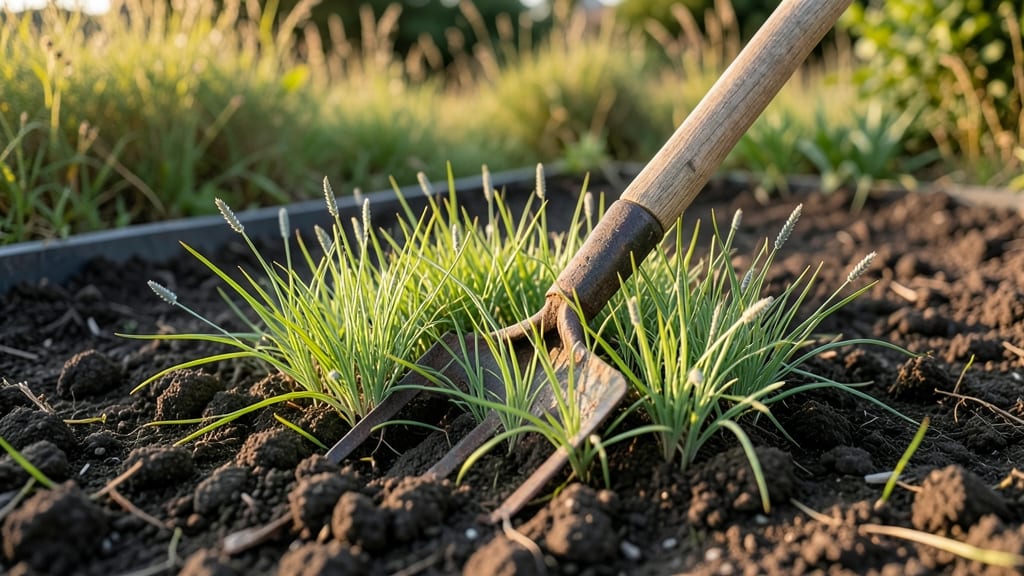
It's too late to plant grass seed in spring when daytime temperatures hit and stay above 85°F, usually around mid-to-late May in most U.S. zones. Cooler regions (Zones 3-5) can extend planting to late May or early June, while warmer zones (6-10) should finish by May. Waiting too long risks weak germination, drought stress, and losing ground to weeds.
Timing matters because grass seed struggles to establish roots when soil temperatures climb above 75°F, and the seeds dry out faster in hot conditions. 🌱 In my experience, planting too late often means seedlings spend more energy fighting heat than growing roots, leading to patchy lawns.
For example, in Zone 7, I've seen successful late-May plantings only when paired with frequent watering and shade cloths—otherwise, the grass just wilts before it takes hold.
Another key factor is soil moisture retention. Dry soils in summer heat force you to water twice daily just to keep seeds from drying out, which defeats the purpose of overseeding.
I recommend checking your local USDA Plant Hardiness Zone and tracking daily highs—once they consistently hit 90°F, it's time to switch to fall planting instead.
💡 In This Article
- Spring Grass Seed Planting Deadlines by USDA Hardiness Zones
- Signs Your Spring Grass Seed Planting Is Too Late
Spring grass seed planting deadlines by USDA hardiness zones
Grass seed germination hinges on soil temperatures staying below 75°F and air temperatures under 85°F—when these thresholds climb, seeds dry out faster and struggle to establish roots.
In Zones 3-5, where spring cools linger later, you can push planting to late May or early June because nights remain cool enough to prevent heat stress.
For example, in Zone 5, I've seen successful late-May plantings when paired with shade cloths and morning watering, but the grass still takes 3-4 weeks longer to establish compared to ideal spring timing.
Warmer zones (6-10) demand earlier action—by mid-May at the latest—because soil can bake to 85°F+ by early June, creating a hostile environment. In Zone 780°F by late May, forcing seeds into survival mode where they prioritize root growth over leaf expansion.
Humidity plays a role too: In Zone 9, where summer arrives early, I've watched grass seed planted in June struggle with 95%+ germination failure due to rapid moisture loss, even with daily watering.
The real deadline isn't just about temperature—it's about moisture retention. Grass seed needs consistent soil moisture for 2-3 weeks post-planting, but summer heat evaporates water 3x faster than spring.
In Zone 830% to 5% in just 4 hours under 90°F sun, making late spring plantings a gamble without irrigation systems. This is why fall planting (late August to early October) becomes the safer bet in warmer zones.
Regional climate variations add another layer. Coastal areas in Zone 9 may have 2-3 weeks longer planting windows due to marine layer cooling, while inland Zone 7 regions can see 10°F hotter soil temps by June.
Always check your local USDA climate data—for instance, Las Vegas (Zone 9a) hits 95°F by early May, while Seattle (Zone 8b) stays under 75°F until late June. These differences explain why a "one-size-fits-all" deadline doesn't work.
For precise timing, track soil temperature at 4-inch depth—this is where seeds germinate. Most grass types (like tall fescue or Kentucky bluegrass) struggle when soil exceeds 78°F. Use a soil thermometer for 3 consecutive days above 80°F as your cutoff signal.
In Zone 6early to mid-May, while Zone 10 may reach it by late April. The goal is to give seedlings 4-6 weeks of cool weather to root before summer heat arrives.
What most people overlook is how weed competition accelerates with late planting. Warm-season weeds like crabgrass germinate when soil hits 55°F, often 2-3 weeks before your grass seed. By June, weeds can outcompete grass seedlings 10:1 in biomass, leaving you with a lawn full of unwanted plants.
This is why pre-emergent herbicides become essential for late spring plantings—but they must be applied before weeds sprout, not after.