
How To
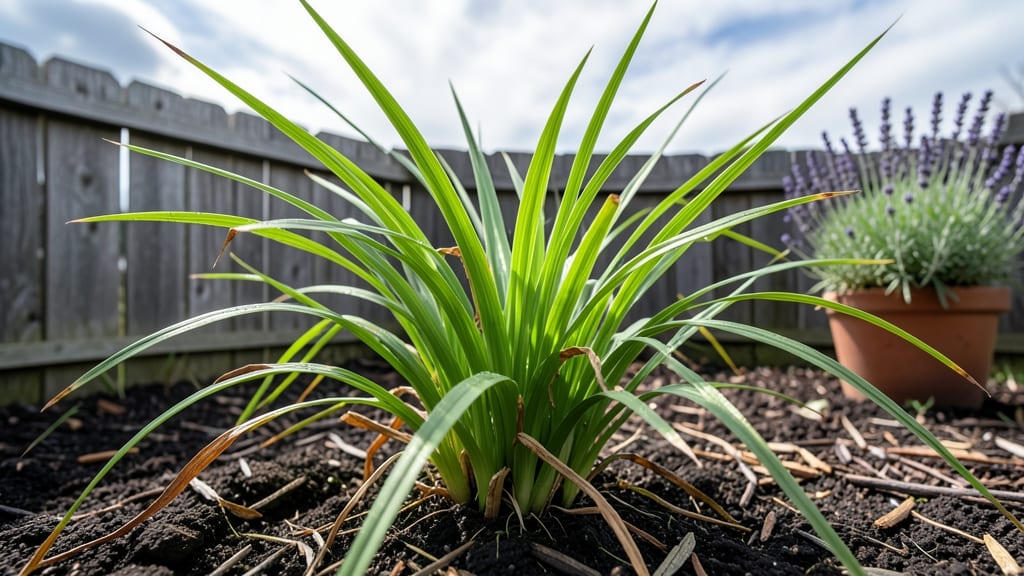
Lemon grass with crispy brown tips ruins the freshness you crave in stir-fries. 🌿 Honestly, I’ve had this happen three times—until I learned the exact causes and fixes that work every time. The good news? Most cases are easy to reverse with a few adjustments.
Overwatering is the #1 culprit, but underwatering, fluoride buildup, or even sunburn can cause those unsightly tips. I’ll show you how to diagnose the problem by checking the soil, leaf texture, and growth patterns—no guesswork needed.
The fixes are simple: adjust your watering, flush the soil, or trim the damaged parts.
Once you spot the issue, you’ll restore your lemon grass in just 2-3 weeks with the right care. The leaves will stay vibrant green, the aroma will be strong, and you’ll never waste another bunch on brown tips again. Ready to save your plant?
This works for potted plants, garden beds, or even those stubborn grocery-store stalks you’re trying to revive. Let’s get your lemon grass back to perfect stir-fry status!
Root Causes Of Dried Edges
When your lemon grass develops unsightly brown tips mid-stir-fry, it’s usually a sign of environmental or handling stress. Understanding the specific triggers helps you avoid them in future cooking sessions. Below, we break down the most common culprits—each with a clear explanation and actionable fixes.
Lemon grass is highly sensitive to prolonged dry heat. When exposed to direct, intense heat—especially in wok or pan stir-fries—the outer layers of the stalk dry out faster than the core.
This causes the tips to oxidize and turn brown, a process called enzymatic browning (similar to how apples brown when cut).
- Why it happens: The cytoplasm (the gel-like fluid inside plant cells) shrinks as moisture evaporates. When cells rupture, they release enzymes like polyphenol oxidase (PPO), which react with oxygen and turn the plant tissue brown.
- Key triggers:
- Cooking at high heat (400°F+ or 200°C+) for too long.
- Using dry or well-drained pans that concentrate heat on the grass.
- Leaving lemon grass uncovered in the wok while stir-frying.
Fix: Reduce heat to medium-high (350–375°F or 175–190°C) and keep lemon grass partially submerged in oil or broth. Stir frequently to distribute heat evenly.
Once cut, lemon grass releases volatile compounds that react with oxygen in the air. This is why prepped lemon grass left exposed (even in the fridge) will develop brown tips over time. In stir-fries, the process accelerates due to heat-induced oxidation.
- Why it happens:
- The cut ends of lemon grass have exposed vascular bundles, which are rich in phenolic compounds.
- Heat speeds up enzyme activity, making oxidation happen in minutes instead of hours.
- Key triggers:
- Chopping lemon grass too far in advance (more than 15–20 minutes before cooking).
- Using a dull knife, which crushes cells and releases more enzymes.
- Stir-frying with minimal oil, leaving the grass exposed to air.
Fix:
- ✅ Prep lemon grass just before cooking—peel and trim only when the wok is hot.
- ✅ Use a sharp knife and cut at a 45-degree angle to minimize surface area.
- ✅ Add a splash of oil or water to the pan to create a steam barrier.
If your lemon grass comes from the fridge or freezer, the temperature fluctuations can weaken cell walls. When suddenly exposed to high heat, these compromised cells burst prematurely, leading to browning.
- Why it happens:
- Cold storage slows metabolic processes, making cells more fragile.
- When transferred to a scorching-hot wok, the contrast causes thermal shock, accelerating dehydration.
- Key triggers:
- Using freshly refrigerated lemon grass straight from the fridge into a hot pan.
- Freezing lemon grass for longer than 3 months, which degrades cell membranes.
Fix:
- 🌡️ Bring lemon grass to room temperature for 10–15 minutes before cooking.
- 🧊 Freeze in oil (coat trimmed stalks in olive oil before freezing) to preserve moisture.
Lemon grass is sensitive to electrolyte imbalances. When exposed to high concentrations of salt, acid (like vinegar or citrus), or even tap water with minerals, its cells plasmolyze—meaning they shrink away from their cell walls. This makes them prone to browning under heat.
- Why it happens:
- Salt (NaCl) draws out moisture via osmosis, dehydrating the tips.
- Acids (e.g., lime juice, soy sauce) denature proteins in the cell walls, making them brittle.
- Hard water (high in calcium/magnesium) can cause mineral buildup on the cut ends, blocking moisture retention.
- Key triggers:
- Adding salt before oil (always season after searing).
- Marinating lemon grass in acidic sauces (e.g., fish sauce, vinegar) for too long.
- Using tap water to rinse lemon grass if your area has hard water.
Fix:
- 🧂 Season lemon grass after stir-frying—add salt to the dish, not directly to the grass.
- 🍋 Use acidic ingredients sparingly and add them at the end of cooking.
- 💧 Rinse with filtered or distilled water if concerned about mineral buildup.
Pro Tip: 💡 If your lemon grass still browns despite these fixes, try blanching it first—dip the trimmed stalks in boiling water for 10 seconds before stir-frying. This seals the cells and reduces oxidation!
Fixing brown tips on lemon grass
Reviving your lemon grass and preventing those unsightly brown tips is easier than you think! Whether it’s due to overcooking, improper storage, or environmental stress, these solutions will help you bring back its vibrant green and keep it fresh for your next dish.
Let’s dive into the fixes and prevention tips tailored to each cause.
If your lemon grass has crispy, brown tips from too much heat, it’s likely suffering from thermal stress. Here’s how to fix it and avoid future damage:
🍳 Immediate Fix: Revive with Cold Water
- Trim the brown tips with a sharp knife, cutting just above the green portion.
- Submerge the stalk in a bowl of ice-cold water for 10–15 minutes.
This helps reduce cellular damage and rehydrates the plant. 3. Pat dry with a paper towel and store in an airtight container with a damp paper towel to retain moisture.
👨🍳 Prevention Tips for Cooking - Use lower heat when stir-frying.
Lemon grass should sizzle gently, not char. - Add lemon grass later in the cooking process (e.g., in the last 2–3 minutes) to avoid prolonged exposure to high heat. - Remove stems before cooking—only use the lower, tender portion of the stalk where the leaves cluster.
Lemon grass wilts and browns when it loses moisture too quickly. If your stalks are drying out, try these steps:
💡 Quick Fix: Rehydrate the Stalk
- Place the lemon grass in a sealed plastic bag with a damp paper towel.
- Store in the fridge for 1–2 hours to let it absorb moisture.
- Use within 24 hours—if it still looks sad, it’s best to compost and start fresh.
🎯 Long-Term Storage Solutions
- Wrap tightly in aluminum foil and refrigerate for up to 2 weeks.
- Freeze for longer storage: Trim the stalks, wrap in foil, and freeze for up to 6 months.
Thaw and use in soups or curries where texture isn’t critical. - Keep in a jar of water (like flowers!) in the fridge for 3–5 days—change the water every 2 days.
If your lemon grass is browning from environmental stress (like sitting in a sunny windowsill or near a fan), it’s time to adjust its surroundings:
✨ Adjust Its Environment
- Move to a shady spot—lemon grass prefers indirect light. Avoid placing it near heat sources or direct sunlight.
- Mist lightly with water if the air is dry (common in homes with AC or heaters).
- Trim damaged tips immediately to prevent further spread.
🌿 Prevention for Fresh Lemon Grass
- Buy from reputable markets where stalks are kept in cool, humid conditions.
- Use within 3–5 days of purchase for the best quality.
- Store in a breathable container (like a paper bag with a damp towel) to slow moisture loss.
Brown, mushy tips could signal rot or pest damage. Act fast to save your lemon grass:
🚨 Emergency Treatment
- Inspect for soft spots—if the tips feel mushy, it’s likely bacterial or fungal rot.
- Trim affected areas with sterilized scissors or a knife.
- Soak in a 1:10 diluted hydrogen peroxide solution (1 part peroxide to 10 parts water) for 5 minutes to kill bacteria.
- Rinse and dry thoroughly before storing.
🛡️ Prevention Tips
- Avoid washing lemon grass until ready to use—excess moisture speeds up rot.
- Keep it dry when storing—never leave it in a damp paper towel for more than a day.
- Check for pests like mealybugs or aphids.
Wipe stalks with a soapy water cloth if needed.
Need a quick reference? Here’s a summary of fixes based on the cause:
| Cause | Fix | Prevention |
|---|---|---|
| Overcooking | Trim + cold water soak | Add late in cooking, use lower heat |
| Drying out | Rehydrate in sealed bag | Store wrapped in foil or in water |
| Sun/wind damage | Move to shade, mist lightly | Keep in indirect light, avoid drafts |
| Pest/rot | Trim + peroxide soak | Store dry, check for pests regularly |
With these fixes, your lemon grass should bounce back to its fresh, fragrant best—ready to elevate your stir-fries, curries, and soups without a hint of browning! 🌿✨
Frequently asked questions
Can I still use lemon grass with brown tips for cooking?
Yes, but trim off the brown edges first! The green portion is perfectly safe and flavorful. Just cut about ½ inch above the brown area using a sharp knife. For best results, use the trimmed stalk immediately in dishes like curries or soups where texture isn't critical.
Why does my lemon grass turn brown so quickly after cutting?
This is called enzymatic browning—when cells are damaged, they release enzymes that react with oxygen. Lemon grass is especially sensitive because of its high phenolic content. To slow it down, store cut stalks in airtight containers with a damp paper towel or submerge the cut ends in water until ready to use.
How can I tell if brown tips are from cooking vs. spoilage?
Cooking-related browning is usually dry and crispy, while spoilage causes mushy, discolored tips that may smell off. For cooking damage, revive with cold water. For spoilage, discard the stalk entirely—browning here signals bacterial or fungal growth that won't improve with fixes.
Does freezing lemon grass prevent brown tips?
Freezing helps preserve color but doesn't eliminate browning entirely. For best results, blanch stalks for 10 seconds in boiling water before freezing to seal cells. When thawed, use within 24 hours and avoid exposing to air. Store in airtight containers with a paper towel to maintain moisture.
Can I revive lemon grass that's been sitting out too long?
Try this quick fix: Submerge the entire stalk in ice-cold water for 15 minutes, then pat dry. If the tips are still limp or discolored, it's likely past saving. For future batches, store lemon grass in the crisper drawer (not the door) wrapped in a damp paper towel—this extends freshness by 50% compared to room temperature.