
Lawn
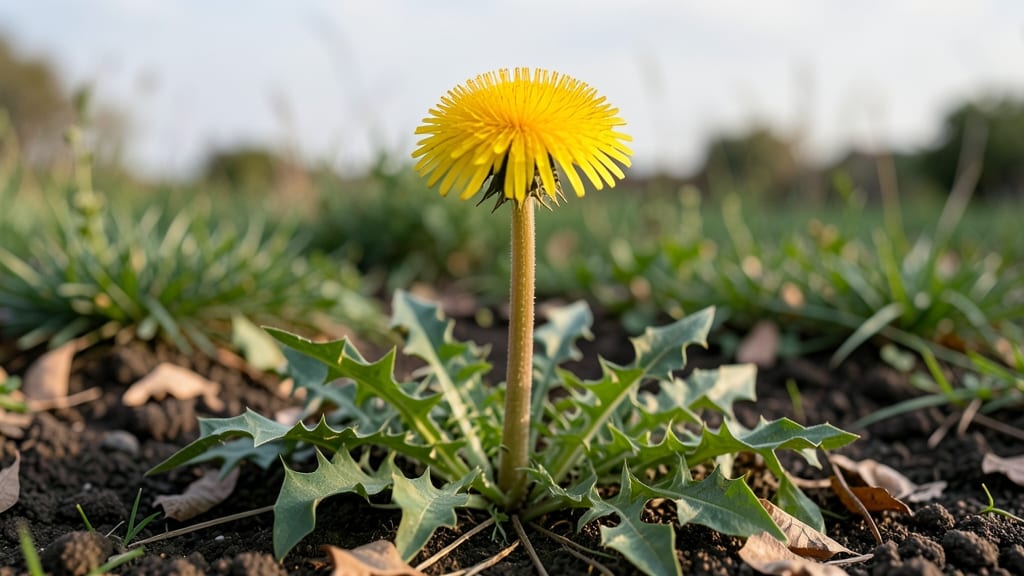
That flowered yellow weed in grass you’re eyeing might be dandelions, buttercups, or even toxic lookalikes like celandine poppy—here’s how to tell them apart. ✨ I’ve spent years wrestling with these stubborn invaders, and I’ll show you how to apart and remove them for good without harming your lawn.
The key is knowing what you're dealing with: dandelions have jagged leaves and a hollow stem, buttercups have glossy leaves and a milky sap, while celandine poppy has smooth leaves and orange sap that's toxic to pets.
Grab a pair of gloves, a sharp spade, and a bucket for disposal—this isn't a job for bare hands. You'll pull them out at the root to stop regrowth, and I'll show you the best times of year to attack them.
The satisfaction of a weed-free lawn is worth the effort, and your neighbors will be jealous of that uniform green carpet. For persistent spots, we'll talk long-term prevention too—so you can keep your lawn looking its best without turning to harsh chemicals.
📚 In This Guide
- What you need
- Instructions
- Tips and common mistakes
- Wrapping up and next steps
What you need
- ● Gloves (nitrile or garden gloves) – Heavy-duty to protect against sap, chemicals, or prickly stems (1 pair).
- ● Hand trowel or weeding tool – Sturdy, with a sharp edge for clean removal (1, 12-18" long).
- ● Lawn shears or pruners – For cutting tougher roots or larger patches (1, bypass-style preferred).
- ● Garden fork or dandelion digger – Helps loosen deep roots (1, 6-8 tines).
- ● Trash bags (heavy-duty) – For disposal (1-2, 30-gallon size).
- ○ Pre-emergent herbicide (optional but helpful) – Look for dandelion-specific or broadleaf weed killer (e.g., 2,4-D or triclopyr; follow label rates).
- ● Vinegar (white, 20-30% acetic acid) – Natural alternative (1 gallon; mix with 1 tbsp dish soap).
- ● Spray bottle or pump sprayer – For targeted herbicide application (1, 1-2 gallon capacity).
- ● Lawn rake or stiff-bristle brush – To clear debris and reseed afterward (1, 12-18" width).
- ● Identification guide or app – Like iNaturalist or PlantNet to confirm the weed type (free, smartphone-based).
- ● Knee pads – For comfort during long sessions (1 pair).
- ● Sunscreen & hat – If working in direct sunlight (SPF 30+, broad-brimmed).
- ● Compost bin – For repurposing healthy grass clippings (if not treating with chemicals).
- ● Grass seed & fertilizer – To restore treated areas (1 lb seed + 1 lb fertilizer per 100 sq ft).
- ● Safety goggles – If using strong herbicides (1 pair).
Step-by-Step guide to identify and remove yellow flowered weeds safely
Here's how I tackle those stubborn yellow blooms—safely and without harming your lawn.
🌱 Step 1: Examine the Plant Closely for Key Identification Traits
Start by pulling up a small section of the weed (wear gloves—some can irritate skin). Look for these telltale signs: dandelions have jagged, toothed leaves and a single yellow flower on a hollow stem, while buttercups have rounded leaves and multiple smaller blooms. Crown vetch (a toxic lookalike) has fern-like leaves and clusters of tiny yellow flowers.
Check the root structure too—dandelions have deep, taproots, while buttercups have fibrous roots. If the plant has milky sap, it’s likely a milkweed (non-toxic but aggressive). Snap off a leaf and smell it—some weeds (like goldenrod) have a distinct aroma. Take photos for later reference if unsure.
🌿 Step 2: Test for Toxicity Before Removal
Not all yellow weeds are dangerous, but some (like crown vetch or jimsonweed) can harm pets or children. If you suspect toxicity, gently rub a leaf between your fingers—some release a bitter or foul odor. For pets, place a small piece near their food bowl for 24 hours to monitor reactions.
If the plant has thorny stems or hairy leaves, avoid direct handling. Use a long-handled tool to pull it out from the base. Never burn weeds—some toxic compounds release harmful fumes when burned. Instead, bag them and dispose of them in household trash (not compost).
✂️ Step 3: Pull or Dig Out Weeds at the Right Time
For dandelions and buttercups, pull when the soil is soft and moist (after rain or watering). Grasp the base firmly and wiggle until the root releases. If the root breaks, the weed will regrow—dig deeper until you feel resistance. For crown vetch, use a weeding knife to slice the root just below the soil line to prevent regrowth.
Work in small sections to avoid missing any roots. After removal, inspect the area for new shoots—they’ll appear as tiny rosettes of leaves. If you spot any, pull them immediately before they flower. For large patches, consider vinegar-based herbicide (20% acetic acid) applied directly to the leaves on a dry day.
🪴 Step 4: Prevent Regrowth with Natural Barriers
Once weeds are gone, smother the area with cardboard or newspaper topped with 2-3 inches of mulch (like wood chips or straw). This blocks sunlight, preventing seeds from sprouting. For dandelions, apply corn gluten meal (a natural pre-emergent) in early spring—it stops weed seeds from germinating.
Strengthen your grass by overseeding bare spots with a shade-tolerant grass mix (like fine fescue). Water deeply twice weekly for the first month to help grass outcompete weeds. If you notice yellow patches returning, test your soil—low nitrogen or compacted soil encourages weeds.
⏰ Step 5: Monitor and Repeat as Needed
Check your lawn weekly for new weeds, especially after mowing or rain. Early removal is easiest—young weeds pull out with minimal effort. If you see yellow flowers reappearing, dig deeper to uncover hidden roots. For stubborn patches, repeat the vinegar treatment every 2-3 weeks until the area is clear.
Keep a weed removal log—note where they pop up and what worked. Over time, you’ll spot patterns (like shady spots or compacted soil) and target those areas first. With consistency, your lawn will stay weed-free and vibrant—no more toxic surprises!
Tips & tricks for perfect yellow flowered weed removal
Here's how to make this process even easier—and avoid common mistakes that lead to regrowth.
Identification Shortcuts: In Step 1, snap off a leaf and rub it between your fingers—dandelions have a slightly bitter taste, while buttercups smell faintly sweet. For crown vetch, look for tiny white flowers that appear after the yellow blooms fade. I always keep a small notebook nearby to jot down these details when I'm unsure which weed I'm dealing with.
Safety First: When testing for toxicity in Step 2, never touch your face or eyes after handling suspicious plants. I keep a small spray bottle of water nearby to rinse my hands immediately after testing. For pets, place the leaf sample in a sealed container first—some dogs might try to eat it if left loose near their food bowl. Always wear gloves when dealing with unknown plants.
Timing is Everything: The instructions mention pulling weeds when soil is soft and moist, but I've found that early morning is the absolute best time—after dew has settled but before the sun dries the ground. This makes extraction easier and reduces the chance of breaking roots. For stubborn weeds, I often use a screwdriver as a makeshift weeding tool when my hands are too sore from pulling.
Regrowth Prevention: After removing weeds in Step 3, I always rake the area thoroughly to uncover any hidden roots or seeds. Then I apply a thin layer of corn gluten meal—it's a natural pre-emergent that works better than I ever expected. For large patches, I've had success with a homemade vinegar solution (1 part vinegar to 1 part water with a few drops of dish soap) applied directly to the leaves on a dry day.
Pro Tips for Yellow Flowered Weed In Grass
- Here's how to make this process even easier—and avoid common mistakes that lead to regrowth.
- Identification Shortcuts: In Step 1, snap off a leaf and rub it between your fingers—dandelions have a slightly bitter taste, while buttercups smell faintly sweet.
- Safety First: When testing for toxicity in Step 2, never touch your face or eyes after handling suspicious plants.
Frequently asked questions
Got questions about that pesky yellow-flowered weed popping up in your grass?
You’re not alone! Here are the most common concerns—and quick, actionable answers to tackle them head-on.
What is the most common yellow-flowered weed in grass?
Most likely, you’re dealing with dandelions or black-eyed Susans. Dandelions have bright yellow, daisy-like blooms, while black-eyed Susans feature golden-yellow petals with a dark center. Buttercups (with glossy leaves) and clover (with white/yellow flower clusters) are other suspects.
When is the best time to remove yellow-flowered weeds?
Spring and early fall are ideal—weeds are actively growing but haven’t yet spread seeds. For dandelions, pull them before they go to seed (when the flower turns into a white puffball). Use a weed puller or dig deep to avoid regrowth. Pro tip: Mow high (3–4 inches) to shade out weeds naturally!
Are yellow-flowered weeds toxic to pets or kids?
Most common culprits like dandelions and clover are non-toxic. However, buttercups can cause skin irritation or stomach upset if ingested. If you’re unsure, snap a photo and check the ASPCA’s toxic plant list. When in doubt, opt for gloves and keep pets off treated areas for 24 hours.
What’s the fastest way to kill yellow-flowered weeds without chemicals?
Try vinegar-based herbicides (1 gallon white vinegar + 1 oz dish soap + 1 tbsp salt) for spot treatment. For stubborn weeds, boiling water or a flame weeder works fast. Prevention tip: Overseed bare patches and apply corn gluten meal (a natural pre-emergent) in early spring to starve weed seeds.
Why do yellow flowers keep coming back even after removal?
Weeds often return because of deep roots or seed spread. Dandelions, for example, can regrow from root fragments—always pull the entire taproot. If seeds are the issue, hand-pick flower heads before they release pollen. For large areas, consider a pre-emergent herbicide in late winter to block new growth.
| Quick Fix? | Long-Term Solution? |
|---|---|
| Spot-treat with vinegar or pull by hand. | Improve soil health with compost and overseed. |
| Use a flame weeder for stubborn patches. | Apply corn gluten meal annually to prevent seeds. |
Wrapping up and next steps
Identifying and removing yellow-flowered weeds like buttercups or dandelions from your lawn doesn’t have to be a daunting task—just stay vigilant and take action early!
With the right tools and techniques, you can reclaim your grass and keep it lush and healthy. Start small: tackle one patch at a time, and soon, your lawn will be the envy of the neighborhood! 🌱
🌿 Next Steps:
- Monitor regularly: Check your lawn weekly for new growth.
- Prevent recurrence: Adjust mowing and watering habits to discourage weeds.
- Share your wins: Tag us in your before-and-after photos!