
Planting
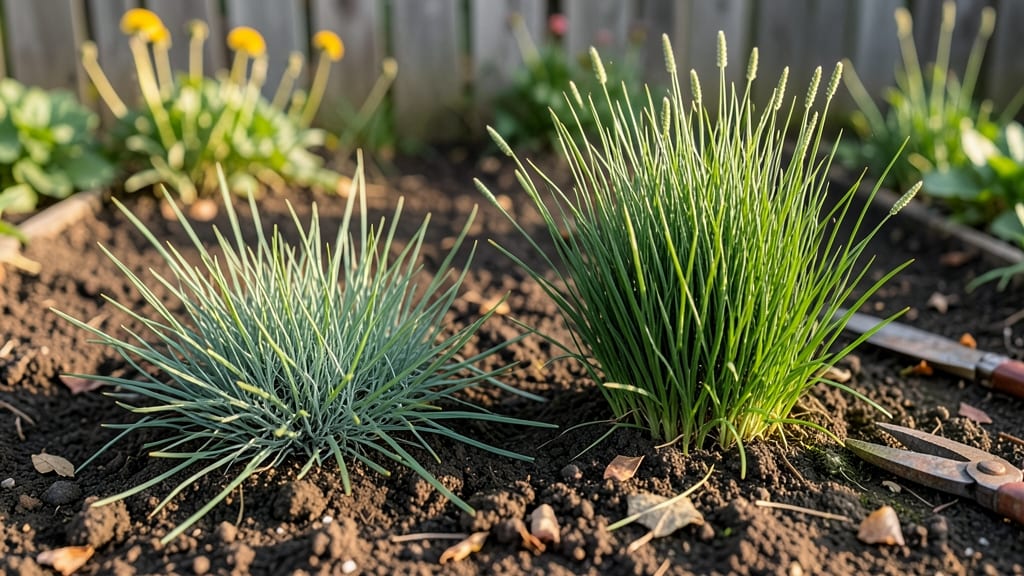
Planting grass seed in Massachusetts at the right time ensures a thick, vibrant lawn that thrives through the state’s unpredictable spring frosts and hot summers.
Timing your grass seed planting in Massachusetts can mean the difference between a lush, green lawn and a patchy, struggling one—especially with the state’s unpredictable spring frosts.
Whether you’re prepping for early spring or late fall, getting the timing right is the key to avoiding stunted growth or wasted seed.
In USDA Zones 5b-6b, the ideal window is early spring (March–April) or early fall (August–September), when soil temperatures are cool but frost-free. Coastal areas may have a slightly longer season, while inland regions face earlier frost risks—so knowing your microclimate makes all the difference.
Below, I’ll walk you through the exact frost-free dates by zone, soil prep tips, and how to extend your planting window with simple tricks—so you can finally get that dreamy lawn without the guesswork.
Massachusetts frost-free dates by hardiness zone (2024 planting guide)
Massachusetts spans USDA hardiness zones 5a through 6b, meaning frost dates can vary dramatically between coastal areas and inland regions. For grass seed planting, timing is critical—sowing too early risks frost damage, while waiting too long can stress seedlings during summer heat.
Understanding your local frost-free date and microclimate ensures your lawn gets the best start.
Coastal areas like Cape Cod and the South Shore often experience earlier last frosts (mid-April), while inland zones like the Pioneer Valley or Berkshires may not reach consistent warmth until late April or early May.
Always verify your exact location, as even small elevation changes can shift frost dates by 1-2 weeks.
📅 Key Dates to Know:
- Average last frost: April 15 (coastal) to May 1 (inland)
- First frost risk: October 15 (coastal) to October 30 (inland)
- Safe planting window: 2 weeks after last frost or 6-8 weeks before first frost
To verify your exact frost dates, check resources like the National Weather Service or local Cooperative Extension offices. For example, Boston’s Logan Airport typically sees its last frost around April 15, while Amherst may wait until May 1.
Even within cities, urban heat islands can create microclimates where frost arrives 3-5 days later than surrounding areas.
For cool-season grasses (like Kentucky Bluegrass or Tall Fescue), aim to plant 4-6 weeks before your first expected frost in fall (late August to early September). This gives seedlings time to establish roots before winter.
In spring, wait until soil temperatures reach 50°F (10°C)—usually 2 weeks after your last frost date—to avoid frost heave or seed washout.
If you’re unsure about your local microclimate, observe nearby gardens or use a minimum-maximum thermometer for 2-3 weeks. Plant test strips in protected areas (like south-facing slopes) first—these often warm up 1-2 weeks earlier than low-lying spots.
For coastal gardeners, salt spray can also delay frost by 3-7 days due to higher humidity.
Pro tip: Use frost-sensitive plants (like marigolds) as frost indicators. Plant them alongside your grass seed—if they survive overnight, your lawn is likely safe. Avoid planting in low-lying areas, where cold air pools and frosts linger 5-10 days longer than higher elevations.
For warm-season grasses (like Bermuda or Zoysia), delay planting until soil temperatures exceed 65°F (18°C), which in Massachusetts typically occurs in late May to June. These grasses struggle in cooler soils and may fail to germinate if planted too early.
Always adjust for unpredictable weather. In 2023, late-May frosts hit parts of Western MA, catching many gardeners off guard. Keep frost cloth on hand to protect new seedlings if nighttime temperatures dip below 32°F (0°C) after planting.
Optimal grass seed planting windows: spring vs. fall strategies for Massachusetts
Choosing the right time to plant grass seed in Massachusetts is crucial for establishing a healthy lawn. The state’s cool-season climate (USDA Zones 5b-6b) means you’ll want to focus on early spring or early fall planting windows.
Each season offers unique advantages, but timing can make or break your success.
Spring planting (April–May) gives your lawn a head start, but it comes with risks like late frosts or drought stress. Fall planting (September–October), on the other hand, allows seeds to germinate in cooler soil while avoiding summer heat.
Let’s break down the pros and cons of each to help you decide which window works best for your lawn.
Spring Planting (April–May)
- Longer growing season for root establishment
- Seeds benefit from spring rainfall
- Ideal for cool-season grasses like Kentucky Bluegrass
- Risk of late frosts damaging new shoots
- Summer drought stress can weaken seedlings
- Requires frequent watering to prevent drying
Fall Planting (September–October)
- Cooler soil reduces weed competition
- Seeds germinate before winter dormancy
- Established roots handle summer heat better
- Limited time for full root growth before frost
- Requires consistent moisture in early fall
- Late planting may miss optimal germination window
For spring planting, aim to sow seeds when soil temperatures reach 50°F (10°C) and stay consistent. This usually aligns with late April in most of Massachusetts.
Choose cool-season grasses like Tall Fescue or Perennial Ryegrass, which thrive in these conditions. Water deeply twice daily for the first 2 weeks to encourage germination.
If you opt for fall planting, target early September to early October. Soil temperatures should be between 60°F–75°F (15°C–24°C) for optimal seed activation. Fine Fescue and Kentucky Bluegrass are excellent choices for fall. Reduce watering frequency slightly but keep the soil evenly moist to avoid crusting.
Regardless of season, prepare your soil by removing debris, leveling the area, and adding a thin layer of compost for nutrients. Test your soil’s pH—ideal levels for grass are between 6.0–7.0.
Adjust with lime or sulfur if needed. Mulching with straw after planting helps retain moisture and protect seeds from wind.
Remember, Massachusetts’ microclimates can vary significantly. Coastal areas like Cape Cod may have earlier frost-free dates, while inland regions like Worcester could face later spring frosts. Check your local USDA Plant Hardiness Zone and monitor weather forecasts to fine-tune your planting schedule.
With the right timing and care, your lawn will establish strong roots and outcompete weeds. Whether you choose spring or fall, consistency in watering and soil prep is key to a lush, green lawn by next season. 🌱