
Companion Plants
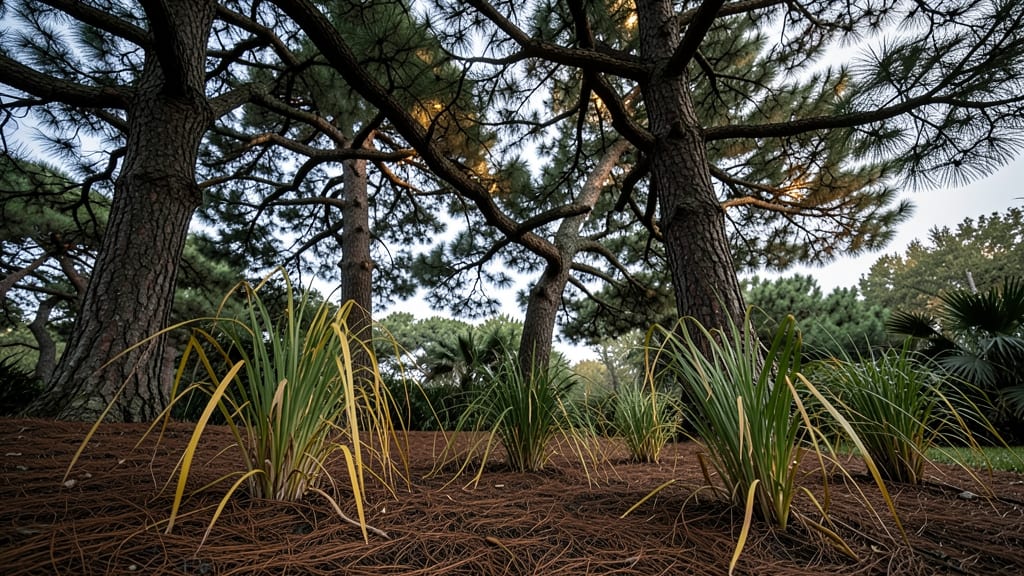
Lemongrass thrives in tropical conditions but struggles when planted near certain aggressive or chemically incompatible plants. Avoid these ten common garden companions to ensure your lemongrass grows strong, healthy, and free from stunted growth or pollinator repulsion.
Citrus Trees and Acid-Loving Plants
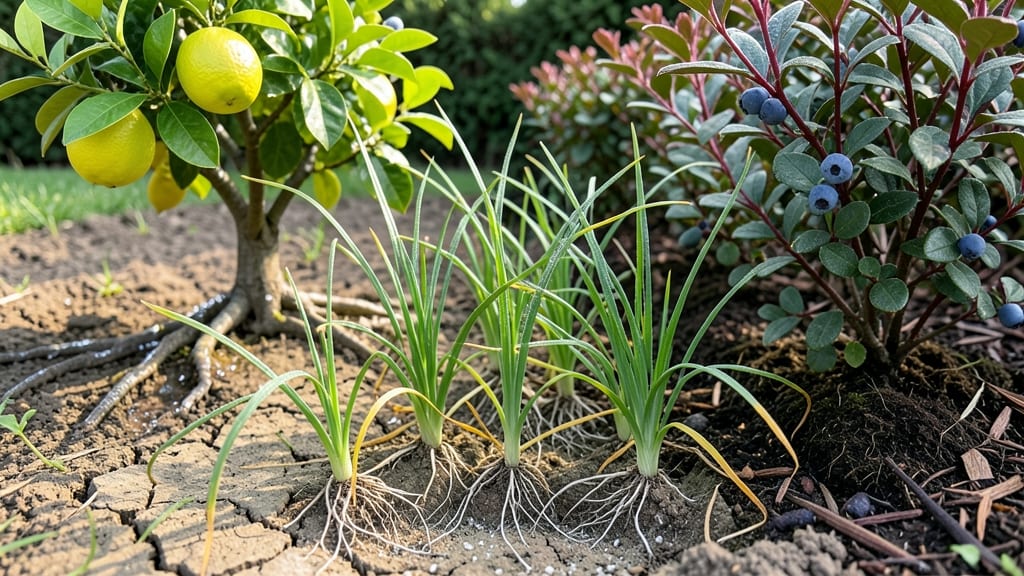
If your garden includes citrus trees or acid-loving plants like blueberries, your lemongrass might be silently suffering. These neighbors create a soil pH tug-of-war that leaves lemongrass roots struggling to absorb essential nutrients, particularly calcium and magnesium—critical for its growth and fragrant oil production.
The issue stems from citrus trees preferring slightly acidic soil (pH 6.0–7.0), while lemongrass thrives in neutral to slightly alkaline conditions (pH 6.5–7.5). When these plants compete, the soil chemistry shifts unpredictably, often resulting in yellowing leaves, stunted stalks, and weakened essential oil potency. Blueberries take this further by acidifying the soil even more, creating a double threat to lemongrass health.
This dynamic is especially problematic for gardeners growing lemongrass for culinary or medicinal uses, as the plant’s signature citrusy aroma and oil quality depend on balanced soil conditions. If you’re already cultivating citrus or blueberries, consider container gardening for lemongrass or amending the soil with lime to neutralize acidity. 💚
Mint Family Herbs
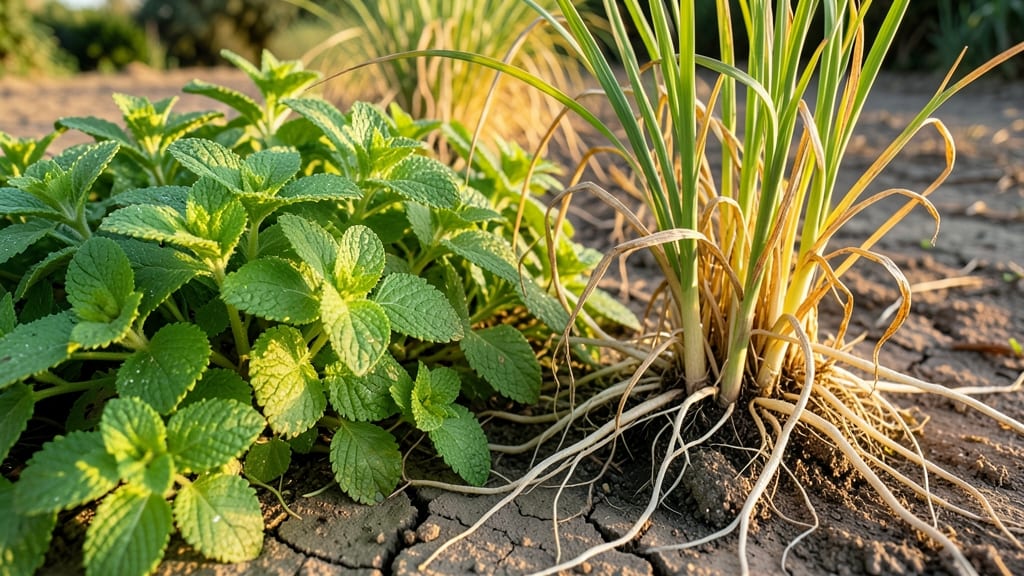
If you love growing mint for teas and cocktails, think twice before planting it near your lemongrass. Mint’s underground runners spread like wildfire, smothering lemongrass roots and siphoning off vital moisture—leaving your prized tropical grass with yellowing leaves and stunted growth.
This invasive habit isn’t just annoying; it’s a growth thief. Mint can double or triple in size within a season, crowding out lemongrass’s shallow root system. Even a single mint plant left unchecked can turn your lemongrass patch into a mint-dominated jungle. The solution? Grow mint in containers or separate garden beds at least 3 feet away from lemongrass.
Urban gardeners and small-space growers will appreciate this tip most—containers solve the problem entirely while keeping mint’s benefits (and its chaos) contained. 💪
Onions and Garlic
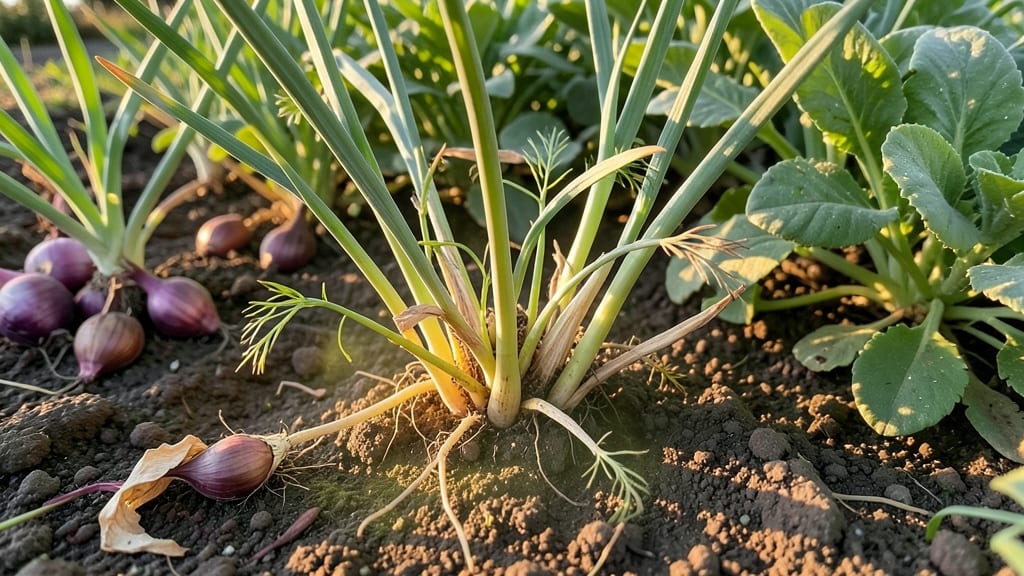
If your lemongrass is struggling to thrive despite ideal conditions, onions and garlic might be the culprits lurking nearby. These alliums release sulfur compounds that disrupt soil chemistry, making it harder for lemongrass to absorb essential nutrients like potassium and phosphorus.
The sulfur compounds alter soil pH and microbial activity, creating a less hospitable environment for lemongrass's shallow root system. You’ll notice yellowing leaves, stunted growth, or even complete failure to produce new stalks when these two are planted too close. Even if you harvest the alliums, the soil chemistry can linger for months.
This is especially problematic for urban gardeners and small-space growers who might plant lemongrass alongside other herbs. If you love both, consider container gardening or planting them in separate beds with at least 3 feet of separation to protect your lemongrass. 🌱
Fennel Plants
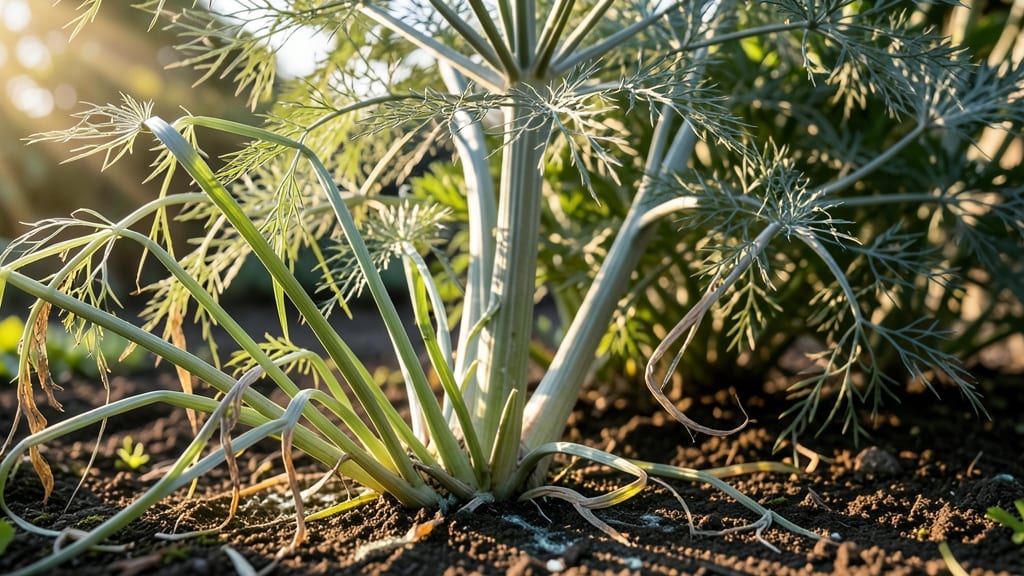
If your lemongrass seems to be wilting without explanation, fennel might be the culprit lurking nearby. This tall, feathery-leaved plant doesn’t just compete for space—it actively releases allelopathic compounds that sabotage lemongrass growth by blocking seed germination and stunting root development.
Fennel’s chemical warfare makes it a natural growth inhibitor for lemongrass, even when planted just a few feet away. The problem worsens in shared containers or small garden beds, where roots intertwine. If you’re growing fennel for its edible bulbs or seeds, consider relocating it to a separate bed or container to protect your lemongrass.
This dynamic is especially critical for gardeners who grow both plants for culinary or medicinal uses. Keep fennel at least 6 feet away from lemongrass to avoid chemical interference and ensure your lemongrass thrives. 🌱
Tomatoes and Potatoes
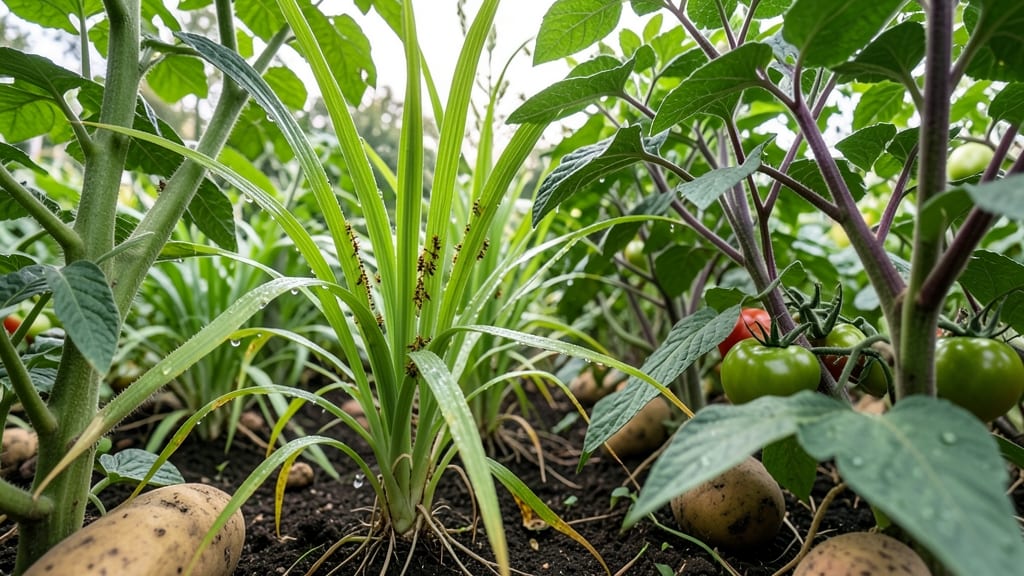
If you love growing tomatoes and potatoes, think twice before planting them near your lemongrass. These nightshades share pests like aphids, which can swarm lemongrass leaves, draining its energy and leaving behind sticky honeydew that stunts growth.
Both crops also compete aggressively for nitrogen and phosphorus, two nutrients lemongrass needs to produce its signature citrusy aroma. Aphids thrive on tomato and potato foliage, then migrate to lemongrass, weakening its stalks and reducing oil production. The solution? Keep these plants at least 6 feet apart or grow lemongrass in containers to avoid shared pest populations.
Urban gardeners with limited space will appreciate this tip—it’s an easy way to protect your lemongrass harvest without sacrificing your favorite veggies. 🌱
Eucalyptus Trees
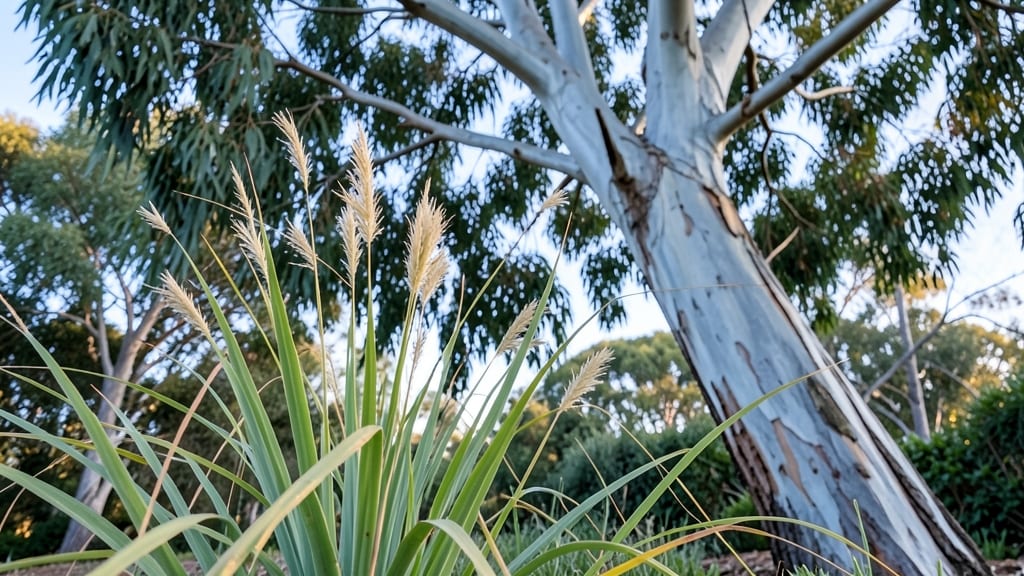
If you love the fresh, citrusy scent of lemongrass, planting it near eucalyptus trees might actually backfire. While eucalyptus adds beauty and fragrance to gardens, its volatile oils can overwhelm lemongrass’s delicate chemistry, reducing its essential oil production and making it more susceptible to disease.
The problem stems from eucalyptus’s strong aromatic compounds, which can disrupt lemongrass’s natural scent and weaken its immune system. You’ll notice lemongrass leaves losing their vibrant color and developing a dull appearance, signaling stress. Even if your garden has space, keeping these two plants at least 10 feet apart is critical to protect lemongrass’s health.
This is especially important for gardeners growing lemongrass for culinary or medicinal uses, as the quality of its oils directly impacts flavor and therapeutic benefits. 💚
Sunflowers
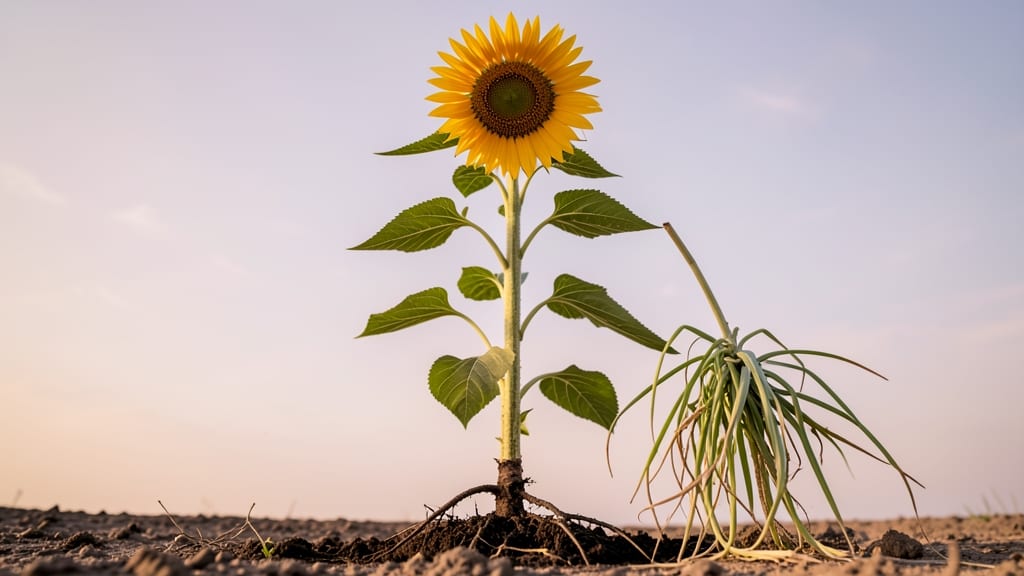
While sunflowers add cheerful height and drama to your garden, their rapid growth comes at a cost—sunflowers are nutrient hogs. These towering beauties absorb potassium and nitrogen aggressively, leaving lemongrass starved for the very minerals it needs to thrive and produce its signature citrusy aroma.
If you’ve already planted sunflowers near your lemongrass, you may notice yellowing leaves, stunted stalks, or weak essential oil production—all signs of nutrient depletion. Sunflowers also compete for water, further stressing lemongrass in hot climates. The solution? Plant sunflowers at least 10 feet away or in separate garden beds to protect your lemongrass’s health.
This pairing is especially tricky for urban gardeners with limited space, so consider container gardening for lemongrass or opting for less demanding companions like basil or marigolds. 🌻
Coffee Plants
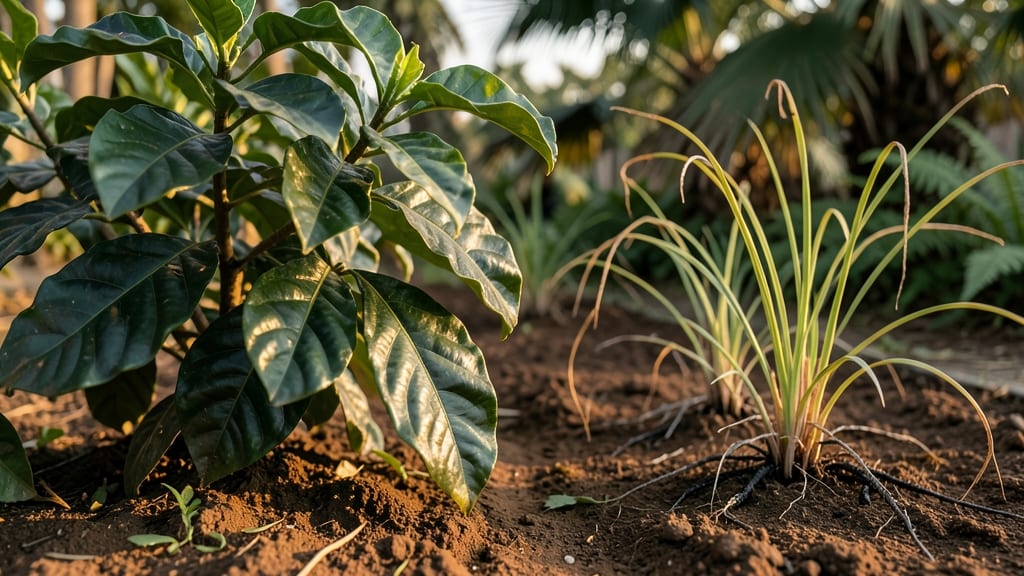
If you’re dreaming of a lush coffee plant in your garden, think twice before planting it near your lemongrass. While coffee plants love the same tropical climate, their acidic, nutrient-rich soil preferences create a toxic cocktail for lemongrass, causing root burn and stunted growth.
The issue stems from chemical imbalances—coffee plants thrive in soil with a pH of 4.5–6.0, while lemongrass prefers slightly acidic to neutral (6.0–7.5). Over time, the high acidity and excess organic matter from coffee plants disrupt lemongrass’s nutrient uptake, leading to brown leaf tips and weak stalks. Even well-draining soil won’t save lemongrass from this mismatch.
For gardeners with limited space, this clash means separate containers are your best bet—keep coffee plants in acid-loving pots and lemongrass in neutral soil to avoid this silent battle underground. 🌱
Lavender
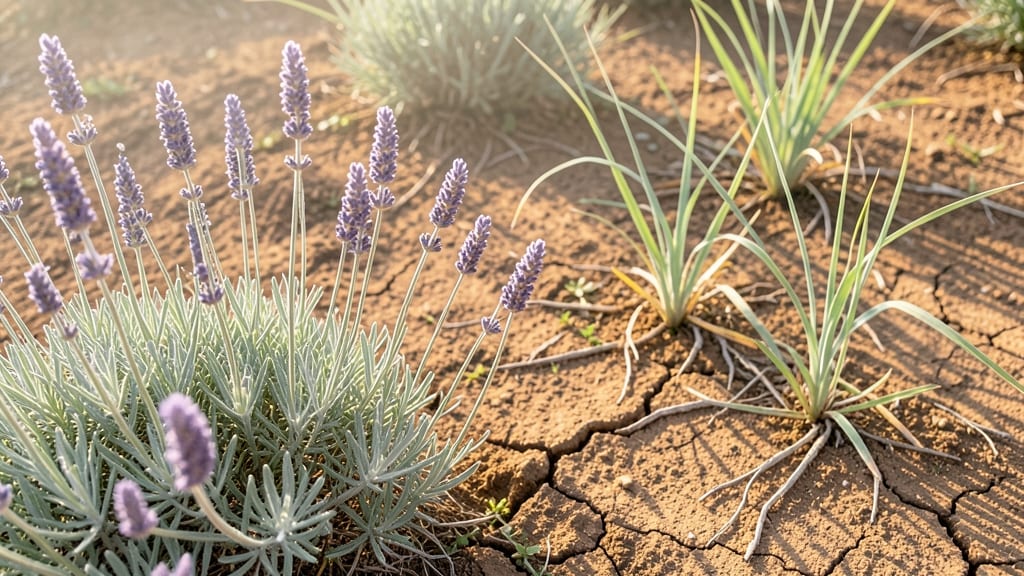
If your garden features fragrant lavender, you might be unintentionally sabotaging your lemongrass. While lavender’s silvery foliage and soothing scent are beloved, its deep roots and drought-resistant nature create a perfect storm for competition—leaving lemongrass thirsty and flavorless.
The problem starts with water competition: lavender’s extensive root system sucks up moisture before lemongrass can access it, while its dense growth habit blocks sunlight. Even worse, the strong lavender aroma can mask lemongrass’s signature citrusy notes, dulling its culinary and aromatic potential. For optimal results, keep these plants at least 3 feet apart or grow lavender in containers.
This pairing is especially tricky for gardeners in dry climates or those using mulch, where moisture retention becomes critical. If you love both, prioritize lemongrass by placing it closer to a water source or in a raised bed. 💚
Pine Trees

If your garden includes towering pine trees, your lemongrass may be silently struggling beneath the needles. Pine trees gradually acidify soil as they shed needles, creating a low-pH environment that lemongrass can't tolerate—leading to yellowing leaves and weakened stems over time.
This soil chemistry shift causes chlorosis (iron deficiency symptoms) in lemongrass, where leaves turn pale yellow while veins remain green. The problem worsens as pine litter accumulates, making it nearly impossible for lemongrass to absorb essential nutrients like nitrogen and phosphorus. Even established clumps may decline if planted near mature pines.
Gardeners in forested areas or landscaped yards with pine trees should consider container growing for lemongrass or test soil pH annually. A quick lime application can help neutralize acidity, but prevention is easier than recovery. 💚