
Planting
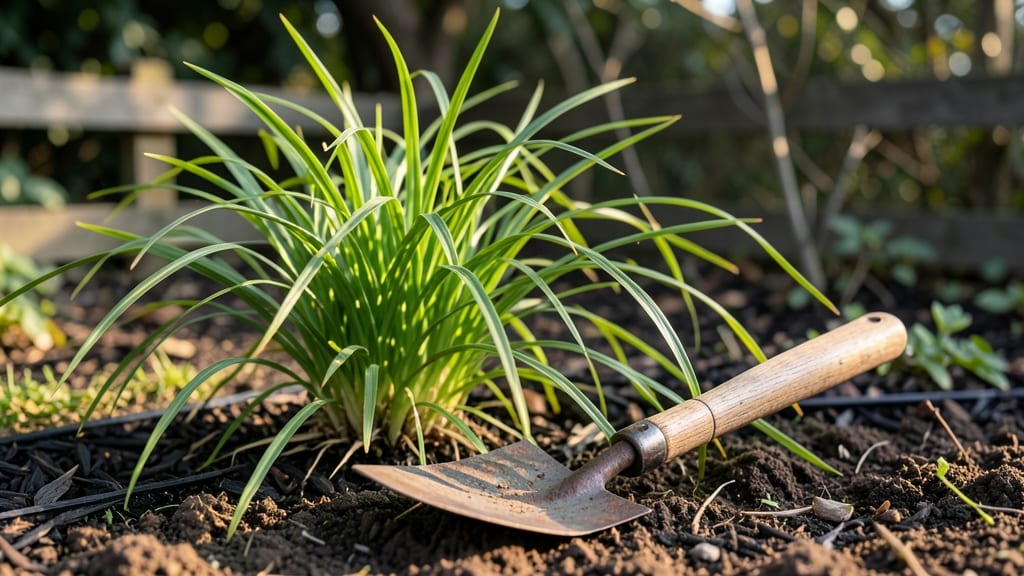
The best place to plant lemongrass is where it can soak up 6-8 hours of sunlight daily—just like its tropical roots crave. 🌞 I learned this the hard way when my first batch grew tall but weak, their citrusy scent fading fast.
The secret isn’t just heat—it’s bright, direct light that keeps those signature stalks sturdy and fragrant.
Lemongrass thrives in well-draining soil with a slight acidity (pH 5.5-6.5), mimicking its Southeast Asian homeland. In-ground or containers both work—just ensure pots have drainage holes to prevent root rot.
Urban gardeners can even grow it in 5-gallon pots on patios, as long as they’re moved indoors when temps dip below 40°F.
You’ll know you’ve nailed it when new shoots emerge within 2 weeks, their leaves unfurling into the signature sword-like shape. The aroma alone—bright, lemony, and fresh—will tell you it’s happy. Frost is the only real enemy, so plan to harvest or overwinter indoors in cooler zones.
For small spaces, try bunching 3-5 stalks in one container—they’ll grow densely and multiply fast. Just avoid overcrowding, or you’ll end up with spindly, flavorless stalks. The payoff? Fresh lemongrass for teas, stir-fries, and cocktails, straight from your yard.
📚 In This Guide
- What you need
- Instructions
- Tips and common mistakes
- Wrapping up and next steps
What you need
- ● Lemongrass stalks: 3–5 healthy, mature stalks (cut from the base, with at least 6–8 inches of growth and roots intact).
- ● Well-draining soil: A mix of potting soil (for containers) or garden soil amended with compost (for in-ground planting). Aim for 60–70% organic matter.
- ○ Containers (optional but recommended): 1–2 large pots (12–18 inches wide) with drainage holes, or
- ● A raised garden bed (at least 12 inches deep) if planting in-ground.
- ● Watering can or hose: With a gentle spray nozzle for even moisture.
- ○ Organic fertilizer (optional but helpful): A balanced 10-10-10 or 20-20-20 fertilizer (diluted to half-strength) or compost tea.
- ● Pruning shears or sharp knife: For trimming dead leaves or harvesting.
- ○ Mulch (optional): Straw or wood chips to retain moisture and suppress weeds.
- ○ Sunlight meter (optional): To confirm your chosen spot gets 6–8 hours of direct sunlight daily.
- ● Pebbles or gravel (for containers): A 1-inch layer at the bottom to improve drainage.
- ● Warm climate: Lemongrass thrives in USDA Zones 9–11. In cooler zones, grow it in containers and bring indoors during frost.
- ● Well-draining location: Avoid soggy soil—lemongrass hates waterlogged roots!
- ● Patience: Stalks may take 3–6 months to mature for harvesting.
Best place to plant lemongrass: Step-by-Step site selection
Lemongrass thrives when you mimic its native tropical habitat—here’s exactly where and how to plant it for maximum growth.
🌿 Step 1: Choose a Sunny, Sheltered Location
Lemongrass demands full sun—at least 6-8 hours of direct sunlight daily. I always pick the warmest, sunniest spot in my yard because lemongrass wilts and turns bitter when light is insufficient. A south-facing area works best in northern climates, while western exposures suit southern regions.
Look for a spot with some afternoon shade if your summers are scorching—110°F+ temperatures can scorch leaves, even in tropical climates. A partially shaded patio or balcony often works better than a full-sun garden bed during peak heat. Test the area by observing how other sun-loving plants like citrus or hibiscus perform there.
☀️ Step 2: Ensure Well-Draining Soil and Warmth
Lemongrass roots rot in soggy soil, so avoid low-lying areas where water pools. Amend heavy clay or compacted soil with 2-3 inches of compost or sand to improve drainage. I dig a hole twice as wide as the root ball and mix in a handful of coarse sand to prevent waterlogging—this is critical for preventing fungal diseases.
The soil should stay consistently warm—lemongrass won’t thrive below 65°F. In cooler climates, plant near a south-facing wall or use black plastic mulch to absorb and retain heat. You’ll know the spot is right when neighboring plants like basil or rosemary grow vigorously there.
🪴 Step 3: Plant in a Container for Climate Control
For regions with frost or cold snaps, container growing is the best option. Use a 12-inch diameter pot with drainage holes—lemongrass has shallow roots but needs room to spread. Fill with a mix of potting soil and perlite (60/40 ratio) to ensure aeration. Place the pot where it gets morning sun and afternoon shade in hot climates.
Move containers indoors before temperatures drop below 50°F—lemongrass is tropical and won’t survive frost. A sunny windowsill or under grow lights keeps it alive year-round. Watch for yellowing leaves as a sign the plant is too cold; adjust placement immediately to prevent stress.
💧 Step 4: Water Deeply and Consistently
Lemongrass loves moisture but hates soggy roots. Water deeply 2-3 times per week until water runs out the drainage holes, then let the top 1-2 inches of soil dry slightly before watering again. Overwatering causes the stalks to split or rot at the base—a common mistake that ruins harvests.
Mulch with 1-2 inches of straw or wood chips to retain moisture and keep roots cool. In containers, water more frequently—small pots dry out faster. You’ll know you’re doing it right when the soil feels damp like a wrung-out sponge and the stalks stay upright and vibrant.
⏰ Step 5: Monitor and Adjust for Seasonal Changes
As seasons shift, lemongrass may need relocation. In spring and summer, ensure it gets maximum sun. In fall, move it to a brighter indoor spot or cover with frost cloth if nights dip below 55°F. I’ve kept lemongrass alive through winter by placing pots near a sunny window and using a small space heater to keep soil temps above 60°F.
Prune leggy growth in early spring to encourage bushier, more productive stalks. Harvest outer stalks first to avoid damaging the center. If leaves turn yellow or brown, it’s usually a sign of overwatering or cold stress—adjust care immediately to revive the plant.
Tips & tricks for perfect lemongrass planting
Took me a while to figure these out, so here goes—these are the details that separate good from great when growing lemongrass.
Sunlight Strategy: That 6-8 hours of direct sunlight is non-negotiable, but here's what I learned: In Step 1, if your summers hit 110°F+, morning sun with afternoon shade actually produces healthier stalks. I've seen lemongrass in full southern sun turn crispy at the edges while the same variety in filtered light stayed lush and vibrant. Test your spot by observing how nearby citrus or hibiscus plants fare.
Soil Warmth Hack: The 65°F minimum soil temperature in Step 2 is critical, but I found a simple trick: Bury a black plastic bottle filled with water near the planting area. The bottle acts like a heat sink, radiating warmth back to the roots. In cooler climates, this extra boost can make the difference between thriving and struggling plants, especially when you're planting near south-facing walls.
Container Growing Secrets: For those using the 12-inch diameter pot from Step 3, here's what nobody tells you—place a small LED grow light about 6 inches above the plant for 4-6 hours daily during winter months. This mimics the tropical sunlight intensity and keeps those soil temperatures above 60°F even when indoor conditions drop. I've kept lemongrass alive through three winters using this method, with no yellowing or stress.
Watering Wisdom: The 2-3 times per week guideline in Step 4 is perfect, but here's the pro move: Water in the morning so the leaves have all day to dry, preventing fungal issues. And for containers, I've found that adding a handful of expanded clay pellets to the bottom of the pot improves drainage while maintaining moisture—this keeps those roots happy without the risk of rot at the base.
Pro Tips for Best Place To Plant Lemongrass
- Took me a while to figure these out, so here goes—these are the details that separate good from great when growing lemongrass.
- Sunlight Strategy: That 6-8 hours of direct sunlight is non-negotiable, but here's what I learned: In Step 1, if your summers hit 110°F+, morning sun with afternoon shade actually produces healthier stalks.
- Soil Warmth Hack: The 65°F minimum soil temperature in Step 2 is critical, but I found a simple trick: Bury a black plastic bottle filled with water near the planting area.
Frequently asked questions
Got questions about planting lemongrass? You’re not alone—this fragrant herb has a few quirks! Here are answers to the most common queries to help you grow lush, productive stalks with ease.
Can lemongrass grow in containers or do I need a garden bed?
Lemongrass thrives in containers (5+ gallons) with drainage holes. Use well-draining potting mix and place it in a sunny spot. Containers work great for small spaces, balconies, or even indoors near a bright window. Just ensure the pot stays warm—lemongrass hates cold roots!
How long does it take for lemongrass to grow after planting?
With ideal conditions (full sun, warm soil, and consistent moisture), lemongrass grows surprisingly fast—expect visible growth in 2–4 weeks. Stalks reach harvestable height (12–18 inches) in about 3–4 months from planting. Patience pays off, but don’t rush—rushing leads to weak, woody stalks!
What do I do if my lemongrass turns yellow or wilts?
Yellowing or wilting usually signals overwatering, underwatering, or cold stress. Check the soil—it should stay moist but not soggy. Lemongrass loves heat (70°F+), so if temps drop below 50°F, move pots indoors or cover plants. Yellow leaves at the base? Trim them off to redirect energy to new growth.
Can I plant lemongrass from the grocery store, or do I need seeds?
Grocery store lemongrass can regrow, but it’s hit-or-miss. Place the root end in water (2–3 inches submerged) and wait for new shoots (2–4 weeks). For guaranteed success, buy live stalks from nurseries or grow from seeds (slower but hardier). Pro tip: Choose thick, firm stalks with tight leaves!
Does lemongrass grow well in cold climates or only tropical zones?
Lemongrass is a tropical plant, so it struggles in cold climates (below 50°F). If you live in zones 8–11, plant outdoors year-round. In colder areas, grow it in containers and bring them indoors during winter. A greenhouse or sunny windowsill works too—just keep it warm and humid!
Wrapping up and next steps
Choosing the perfect spot for your lemongrass is all about mimicking its tropical roots—think warmth, sunlight, and well-draining soil.
Whether you’re growing it in a pot on your balcony or directly in the ground, prioritize 6+ hours of direct sunlight daily, protect it from harsh winds, and keep the soil moist but not soggy.
With the right conditions, your lemongrass will thrive, rewarding you with fragrant stalks for cooking and remedies! 🌿
Ready to get started? Grab your gloves, pick a sunny nook, and plant those stalks today—your kitchen (and senses) will thank you! 🌞🍋