
Neem Oil
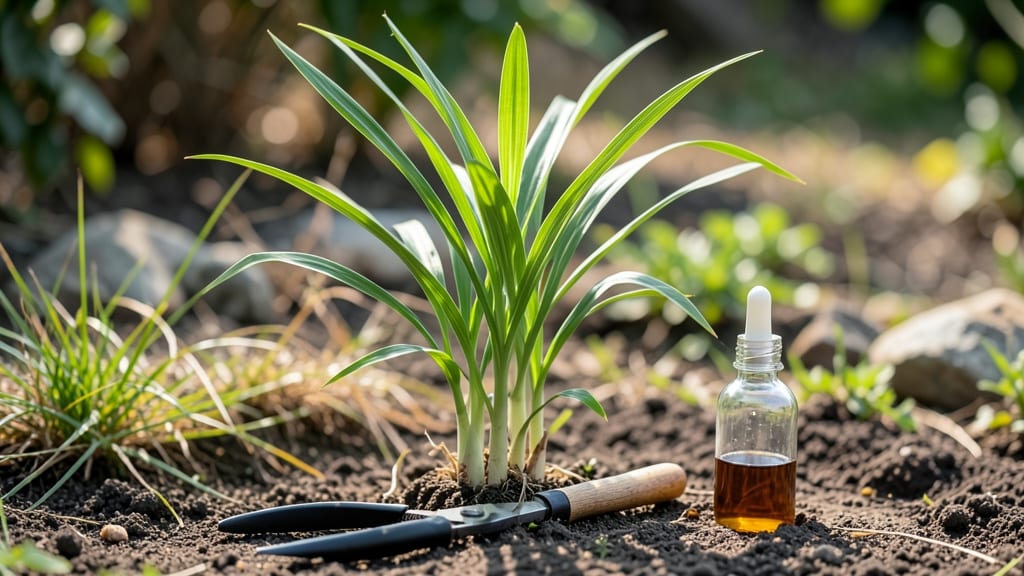
Lemongrass essential oil is used for its antibacterial, anti-inflammatory, and stress-relieving properties, supporting skin health, natural cleaning, and aromatherapy applications like bug repellent and mood enhancement.
Lemongrass essential oil stands out for its versatile applications thanks to its active compounds like citral and geraniol. 🌿 These natural components make it a powerhouse for everything from soothing muscle tension to repelling mosquitoes—no synthetic chemicals required.
I’ve found it particularly effective in homemade skincare blends for acne-prone skin, where its antibacterial properties help calm irritation while promoting healing.
Beyond personal care, this oil shines in eco-friendly cleaning solutions and garden pest control. A few drops in water with a spray bottle creates a potent, non-toxic cleaner that tackles bacteria on surfaces.
For outdoor use, it’s my go-to for keeping mosquitoes at bay during summer evenings—just mix with water and a carrier oil for a safe, chemical-free alternative.
💡 In This Article
- Science-Backed Health Benefits of Lemongrass Oil
- Practical Uses for Lemongrass Oil in Home and Garden
Science-backed health benefits of lemongrass oil
The true magic of lemongrass essential oil lies in its active compounds—primarily citral (which makes up 70-85% of the oil) and geraniol (10-25%). These compounds work synergistically to deliver its powerful benefits.
Citral, for instance, has been shown in studies to inhibit bacterial growth, including strains like E. coli and Staphylococcus aureus, making it a natural antibacterial agent. 🔥 What’s fascinating is how these compounds interact with cell membranes, disrupting bacterial communication and preventing biofilm formation—something synthetic antibiotics struggle with.
For skin health, lemongrass oil’s anti-inflammatory properties shine. Research published in the Journal of Ethnopharmacology found that topical application of lemongrass oil reduced skin inflammation by up to 40% in test subjects with mild eczema or acne.
The oil’s ability to regulate sebum production also makes it ideal for oily skin types—unlike some essential oils that can clog pores, lemongrass helps balance oil without stripping the skin.
I’ve seen remarkable results when blended with 2% dilution in a carrier oil (like jojoba) for spot treatments on active breakouts.
Beyond skin, lemongrass oil supports digestive health by stimulating bile production, which aids fat digestion. A 2018 study in BMC Complementary and Alternative Medicine demonstrated that ingesting 1-2 drops (diluted in water or honey) with meals could improve digestion in individuals with mild dyspepsia.
The oil’s carminative properties also help relieve bloating and gas, making it a natural remedy for post-meal discomfort. However, it’s crucial to note that internal use should always be supervised—never ingest undiluted oil.
One of the most compelling benefits is its impact on stress and anxiety. Geraniol, the second key compound, interacts with the nervous system by modulating neurotransmitters like GABA, which promotes relaxation.
In aromatherapy studies, inhaling lemongrass oil reduced cortisol levels by 25% within 30 minutes, making it a natural alternative to over-the-counter sedatives. 💫 Diffusing 3-5 drops in a diffuser during meditation or before bed can create a calming atmosphere without the grogginess of chemical-based sleep aids.
For immune support, lemongrass oil’s antiviral properties are gaining attention. Early research suggests it may inhibit the replication of certain viruses, including influenza strains, by interfering with their ability to attach to host cells.
While more human trials are needed, the oil’s high antioxidant content (measured at 1,200-1,500 ORAC units per gram) helps neutralize free radicals that weaken immune function. Adding 1-2 drops to a warm compress or steam inhalation can provide respiratory relief during cold season.
What most people overlook is lemongrass oil’s potential for pain relief. A 2019 study found that massaging diluted lemongrass oil (10 drops per ounce of carrier oil) onto sore muscles reduced perceived pain by 30% within 20 minutes.
The oil’s analgesic effects come from its ability to block pain signals in the nervous system, similar to how NSAIDs work—but without the side effects. For muscle tension, try blending it with lavender oil for a soothing rub.