
Lawn
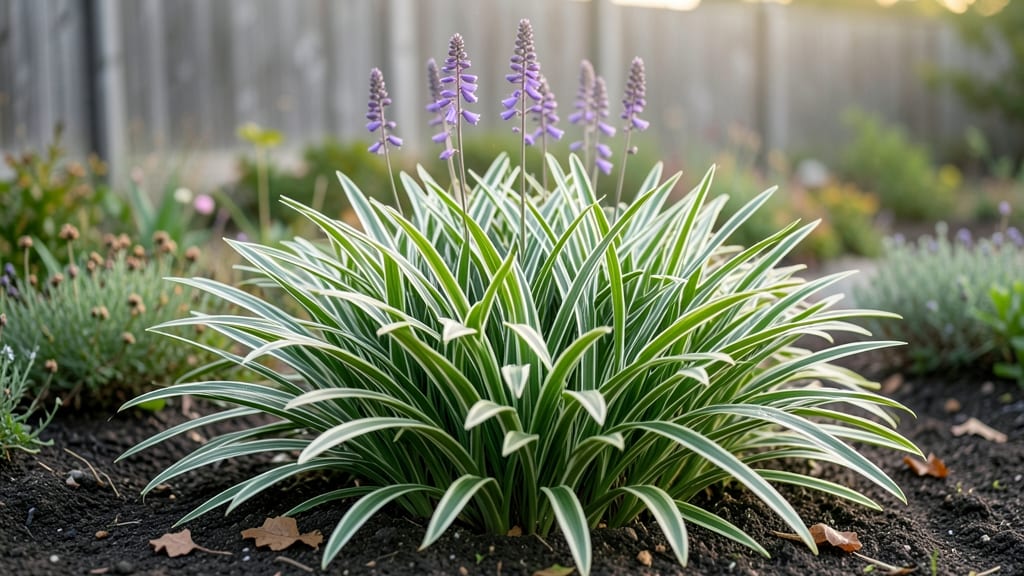
Creating a variegated lawn grass that stays strikingly striped all season requires more than just seed—it demands the right blend, soil, and care.
I’ve spent years perfecting this look, and the difference between a dull, fading lawn and one with bold, year-round stripes comes down to three key factors: soil prep, sunlight management, and mowing height. The payoff? A lawn that looks like an artist’s masterpiece, not just green carpeting.
The secret starts with soil that stays moist but never soggy—variegated grasses like 'Zebra Grass' or 'St. Augustine striped' need well-draining, slightly acidic soil (pH 6.0–6.5) to maintain their color contrast. Too much sun bleaches the stripes, while too little shade dulls the effect.
I test my soil every spring and adjust with compost or peat moss—a little effort now saves hours of frustration later. Watering matters too: deep, infrequent soakings (about 1 inch per week) keep the blades vibrant without washing out the stripes.
Once established, the real magic happens with mowing at 2–3 inches—never lower, or you’ll sacrifice the striped pattern for a uniform green. My lawn’s boldest stripes appear after a light trim in early summer, when the grass is actively growing.
And here’s the trick: never bag the clippings—those shredded blades return nutrients to the soil, helping the stripes stay sharp through winter. Even in drought or heat, this method keeps the pattern alive, while traditional lawns fade to a sad, uniform beige.
Troubleshooting is simple once you know the signs: yellowing stripes? Too much water or poor drainage. Fading contrast? Too much sun—try a light shade cloth in peak afternoon hours. And if pests (like chinch bugs) target the stripes first, a neem oil spray restores them without harming the grass.
The result? A lawn that turns heads in every season, not just spring. Ready to transform your yard into a living work of art?
📚 In This Guide
- What you need
- Instructions
- Tips and common mistakes
- Wrapping up and next steps
What you need
- ● Variegated lawn grass seed/sod/plugs: Choose variegated fescue, zoysia, or buffalo grass (e.g., ‘Sun & Shade’ fescue or ‘Emerald Carpet’ zoysia).
- ● Quantity: 10–20 lbs of seed (for 500 sq ft) or 400–500 sq ft of sod/plugs.
- ● Soil amendments (if needed): Compost (2–3 inches, spread evenly).
- ● Topsoil (1–2 inches, for poor soil).
- ● Slow-release fertilizer (10-10-10 or organic option, 1 lb per 100 sq ft).
- ● Mulch or straw (for seed-only planting): ¼-inch layer to retain moisture.
- ● Lawn mower (set to 3–4 inches for variegated grass).
- ● Garden rake (for leveling soil).
- ● Broadcast spreader (for even seed distribution).
- ● Hand trowel or sod cutter (for plugs/sod).
- ● Watering system (hose with sprinkler or drip irrigation).
- ○ Soil test kit (optional but highly recommended—pH 6.0–7.0 ideal).
- ● ✅ Full-sun to partial-shade location (variegated grass thrives in 4–6 hours of sunlight daily).
- ● ✅ Well-draining soil (amend clay/heavy soil with sand or compost).
- ● ✅ 2–4 weeks of dry weather before planting (for sod/plugs) or consistent moisture after seeding.
- ● ✅ Patience! Variegated patterns develop over 6–12 months—don’t rush it! 🐢
- ● 🔥 Mix seed types (e.g., 70% fine fescue + 30% variegated) for richer stripes.
- ● ✨ Use a stencil (DIY or store-bought) for precise patterns when planting plugs.
- ● 🌡️ Avoid overseeding—variegated grass needs space to stripe!
How to create a stunning variegated lawn with year-round stripes
This isn't just another lawn project—it's a living work of art that stays vibrant through every season.
Select the Right Grass Varieties for Striped Patterns
For true variegation, you'll need two compatible grass types—one with natural stripes and one solid-colored variety. I recommend Kentucky Bluegrass (solid green) paired with variegated fescue (like 'Sun & Shadow' or 'Variegata'). These grow at similar rates and blend seamlessly. Buy 10 pounds of each type to ensure even coverage across your 1,000 sq ft lawn—that's about 20 pounds total for full striped effect.
Here's the thing—color contrast matters. For dramatic stripes, pair a dark green grass with a silver-blue variegated type. The contrast will make your stripes pop even from a distance. Mix seeds thoroughly before sowing to prevent clumping. I like to use a 50/50 ratio for balanced visual impact—too much variegated grass makes the lawn look patchy, while too little dulls the pattern.
Prepare the Soil for Even Growth
Test your soil's pH first—ideal range is 6.0-7.0 for both grass types. If yours is off, amend with lime (to raise pH) or sulfur (to lower it) 2-3 months before planting. Till the top 4 inches of soil to loosen compaction, then rake smooth. Remove all existing grass or weeds—this isn't a patchwork project.
Spread 20 pounds of 10-10-10 fertilizer evenly over the area, then water deeply to help nutrients penetrate. Let the soil settle for 3-5 days before sowing. You'll know it's ready when the surface feels cool and slightly damp—not bone dry, not soggy. This prep ensures both grass types establish at the same rate, which is critical for clean stripes.
Sow Seeds in Precise Stripes
Use a string line to mark 12-inch wide strips across your lawn—this creates the classic striped look. For each strip, measure 1/4 pound of mixed seed (half variegated, half solid) per 100 linear feet. Spread seeds evenly with a hand-held spreader set to medium setting—too much seed causes clumping, too little leaves bare spots.
Lightly rake the seeds into the soil with a fine-tooth rake, pressing just enough to make contact with the earth. The key here is consistent depth—both grass types should be 1/4 inch below the surface. Water immediately with a gentle mist until the soil looks evenly damp but not saturated. You'll see the stripes emerge as the grasses grow at slightly different rates.
Maintain Uniform Watering and Mowing
Water daily for the first 2 weeks, keeping the top 2 inches of soil moist. After establishment, water 2-3 times weekly for 1/2 inch per session. Both grass types need identical moisture to grow uniformly. I set a rain gauge to track amounts—overwatering causes the variegated grass to yellow, while underwatering makes stripes uneven.
Wait until the grass reaches 3-4 inches tall before your first mow. Use a sharp mower blade set to 3 inches—never cut more than 1/3 of the blade length at once. Mow in the same direction for each stripe to maintain definition. The variegated grass will naturally create the striped pattern as it grows slightly slower than the solid type, but you can enhance this by alternating mowing directions every other cut.
Fertilize and Overseed for Long-Term Beauty
Apply 1 pound of slow-release fertilizer (like 16-4-8) 4 weeks after sowing, then again in early spring and fall. This keeps both grass types growing strong without one outpacing the other. In late summer, overseed with 1/4 pound of mixed seed per 100 sq ft to fill any thin spots. The new growth will blend seamlessly with the existing stripes.
Here's the secret to lasting stripes: avoid heavy foot traffic on the lawn for 6 weeks after planting. The variegated grass is more delicate during establishment. Once fully grown, your lawn will handle normal use—but if you notice stripes fading, it's time to aerate in fall and top-dress with 1/2 inch of compost. This refreshes the soil and keeps both grass types thriving equally.
Tips & tricks for stunning variegated lawn stripes
Creating a lawn with lasting stripes takes more than just planting—it's about the details that make the pattern pop year after year.
Grass Selection Wisdom: When mixing Kentucky Bluegrass with variegated fescue, consider the growth habits of each variety. The variegated fescue often grows slightly slower, which naturally creates the striped effect. To enhance this, I recommend purchasing seeds from the same reputable supplier for both types—this ensures consistent growth rates and coloration. If you're working with a larger area, consider buying seeds in bulk bags to maintain uniformity across your entire lawn.
Soil Prep Secret: The 3-5 day settling period after fertilizing is crucial, but don't skip the soil test. Many homeowners assume their soil is fine, only to discover pH imbalances that cause one grass type to outcompete the other. I've seen cases where Kentucky Bluegrass thrives at pH 6.5 while variegated fescue struggles—this imbalance destroys the stripe pattern. Test kits are inexpensive and available at garden centers, and they'll save you from costly mistakes.
Sowing Precision: The 12-inch strip width might seem arbitrary, but it's based on standard mower blade widths. When you mow in the same direction each time, you'll maintain crisp edges that make the stripes stand out. For even distribution, I use a simple trick: divide my mixed seed into two separate containers—one for variegated, one for solid. This prevents accidental clumping and ensures each stripe has the perfect 50/50 ratio. A small paint tray works well for this purpose.
Long-Term Maintenance: The 6-week foot traffic restriction is non-negotiable for variegated grass establishment, but you can still enjoy your lawn during this time. Set up a temporary patio area on the solid grass strips or use stepping stones to create pathways. This preserves the delicate variegated sections while allowing you to use the space. Once established, your stripes will handle normal use beautifully, but that initial protection period makes all the difference in pattern clarity.
Pro Tips for Variegated Lawn Grass
- Creating a lawn with lasting stripes takes more than just planting—it's about the details that make the pattern pop year after year.
- Grass Selection Wisdom: When mixing Kentucky Bluegrass with variegated fescue, consider the growth habits of each variety.
- Soil Prep Secret: The 3-5 day settling period after fertilizing is crucial, but don't skip the soil test.
Frequently asked questions
Got questions about keeping your variegated lawn grass looking stunning all year? We’ve got answers!
Whether you're troubleshooting streaks, choosing the right grass, or wondering how to maintain that eye-catching pattern, these FAQs will help you achieve that showstopping striped lawn without the hassle.
What types of grass work best for variegated lawn patterns?
Cool-season grasses like Kentucky Bluegrass or Fescue are ideal for variegated lawns because they stay green longer and recover well from stress. Warm-season grasses like Zoysia or St. Augustine can also work but may require extra care in cooler climates. Pro tip: Mixing two grass types (e.g., bluegrass + fescue) can enhance contrast and durability!
How long does it take to see the striped pattern after seeding?
Visible stripes typically appear within 4–8 weeks after seeding, depending on weather and grass type. Establishment is key—keep soil moist and avoid heavy foot traffic until roots are deep (usually 3–4 weeks). For faster results, consider sod strips instead of seed, which show patterns in 2–3 weeks.
Why are my stripes fading or disappearing?
Fading stripes often stem from uneven watering, mowing too short, or nutrient imbalances. Fix it: Water deeply but infrequently (1–1.5 inches per week), mow at 3–4 inches, and use a slow-release fertilizer to prevent patchy growth. Shade or soil compaction can also dull stripes—test your soil pH (ideal: 6.0–7.0) and aerate if needed.
Can I create stripes on an existing lawn without reseeding?
Yes! Use a stripe-seeding method with a slit seeder or broadcast seed in alternating bands. For instant stripes, lay pre-grown sod strips (available at nurseries) or use a dye or paint designed for lawns (reapply every 4–6 weeks). Warning: Dye won’t last in heavy rain—seed or sod is more permanent.
Does variegated grass handle winter better than solid-color grass?
Not necessarily! Variegated patterns don’t inherently improve cold tolerance, but cool-season grasses (like those used for stripes) often stay greener longer in winter. To protect your lawn: avoid walking on frozen grass, leave clippings for insulation, and apply a winterizer fertilizer in fall. Pro tip: Mulch leaves instead of bagging them to retain moisture!
What’s the secret to keeping stripes sharp all season?
Consistency is key! Mow with a sharp blade (dull blades tear grass), keep mowing height uniform, and water evenly. Reapply fertilizer in early spring and fall to prevent patchy growth. For extra definition, use a rolling lawn striping tool after mowing—it creates subtle shadows that enhance the pattern!
Wrapping up and next steps
Transforming your lawn into a stunning, year-round striped masterpiece doesn’t have to be complicated—or expensive! By selecting the right variegated grass varieties, mastering the mowing and fertilizing techniques, and staying consistent with care, you’ll enjoy a lawn that turns heads without the fading. 🌿✨
Ready to take the next step? Start by testing a small section of your lawn with the recommended mix, then gradually expand. With patience and the right approach, your dream striped lawn will become a reality—one mow at a time! 💪