
Lawn
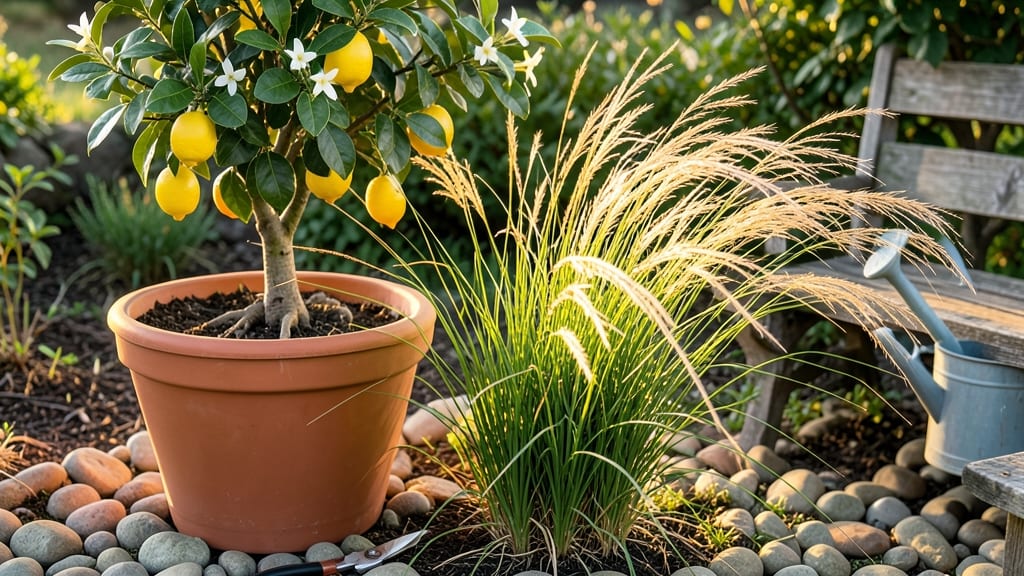
Growing Lemon Squeeze fountain grass transforms any yard into a sunlit masterpiece with its golden-yellow plumes that dance in the breeze. 🌿 This hardy ornamental grass thrives in full sun but handles partial shade too—making it perfect for borders, containers, or even as a standout focal point.
The secret to its vibrant color lies in well-draining soil and consistent moisture, not fuss. Unlike high-maintenance plants, Lemon Squeeze needs minimal pruning—just a late-winter trim to encourage fresh growth. It’s drought-tolerant once established, so watering becomes a "set it and forget it" routine.
The real magic happens when it reaches 2-3 feet tall, its feathery plumes swaying like golden tassels all season long. This grass isn’t just pretty—it’s low-maintenance and versatile. Use it to soften edges, brighten shady spots, or even add texture to container gardens.
In colder zones, it may brown in winter but always bounces back with spring’s warmth, proving its resilience. For year-round color with zero fuss, this grass delivers—whether you’re a busy gardener or a beginner. Let’s get it growing right!
📚 In This Guide
- What you need
- Instructions
- Tips and common mistakes
- Wrapping up and next steps
What you need
- ● Lemon Squeeze Fountain Grass (Pennisetum alopecuroides 'Lemon Squeeze') – 10-15 plants (spaced 18-24 inches apart for full coverage). Choose healthy, established clumps from a nursery.
- ● Well-draining potting mix or native soil – Enough to fill planting holes (amend with compost if your soil is heavy or clay-like).
- ● Organic mulch (e.g., pine straw, shredded bark, or wood chips) – 2-3 inches to retain moisture and suppress weeds.
- ● Watering can or hose with a gentle spray nozzle – For deep, infrequent watering (avoid soggy roots!).
- ● Garden gloves and a trowel – To protect hands and dig planting holes (6 inches deep and wide).
- ○ Pruning shears – For trimming back dead foliage in early spring (optional but recommended).
- ● Slow-release fertilizer (balanced 10-10-10 or organic option) – 1-2 tbsp per plant in early spring (skip if soil is already nutrient-rich).
- ● Edging tool or landscape fabric – To define borders and prevent grass from spreading into other areas (great for containers or small gardens).
- ● Decorative stones or pebbles – For a polished look around the base of your plants (aesthetic bonus!).
How to grow Lemon Squeeze fountain grass for vibrant year-round color
This low-maintenance grass thrives in containers or borders—here’s how to get those signature golden-yellow blades without the fuss.
🪴 Step 1: Choose the Right Container and Soil Mix
Lemon Squeeze (Pennisetum alopecuroides 'Lemon Squeeze') thrives in well-draining soil with excellent aeration. Use a 5-gallon container with drainage holes (or a 12-inch diameter bed in the ground) and fill it with a mix of 50% premium potting soil, 30% coarse sand, and 20% perlite. This prevents root rot while mimicking its native, well-drained habitats.
The key here is texture—this grass despises soggy roots. If planting in the ground, amend heavy clay soil with 2-3 inches of compost and 1 inch of gravel at the bottom of the hole. Press the soil lightly after planting to eliminate air pockets, but don’t compact it. You’ll know it’s right when the surface feels firm to touch but still crumbles easily.
🌱 Step 2: Plant at the Correct Depth and Spacing
Dig a hole twice as wide as the root ball but only as deep as the container it came in. Lemon Squeeze grows in clumps, not runners, so space plants 18-24 inches apart for full, lush foliage. If using bare-root plants, soak the roots in lukewarm water for 10-15 minutes before planting to encourage root expansion.
Place the plant so the top of the root ball sits just below soil level—never bury the crown too deep. This grass tolerates poor soil surprisingly well, but it will reward you with brighter yellow foliage if you add a slow-release fertilizer (like 10-10-10) at planting time. Water deeply after planting to settle the soil around the roots, but avoid soggy conditions for the first 48 hours—this prevents shock.
☀️ Step 3: Provide Full Sun and Minimal Watering
Lemon Squeeze demands 6+ hours of direct sun daily for its signature golden-yellow color. In containers, place it where it gets morning sun and afternoon shade in hot climates to prevent leaf scorch. If grown indoors near a window, rotate the pot quarter-turn weekly so it doesn’t lean toward the light.
Water deeply once a week (or when the top 2 inches of soil feel dry). This grass is drought-tolerant once established, but young plants need consistent moisture. You’ll see the difference: underwatered plants develop dull, greenish blades, while properly hydrated ones stay vibrant and upright. Mulch with 1 inch of pine bark to retain moisture and suppress weeds—just keep it 2 inches away from the base to prevent rot.
✂️ Step 4: Prune for Shape and Remove Dead Foliage
Cut back brown or damaged leaves in early spring using clean, sharp pruners to encourage fresh growth. Never cut into healthy green foliage—this grass grows from the base, and aggressive pruning can stunt new shoots. If the plant looks leggy, trim the tips of the longest blades by one-third to encourage bushier growth.
In late winter (just before new growth starts), give it a harder prune: cut all stems back to 2-3 inches tall. This rejuvenates the plant and prevents it from becoming woody. You’ll notice new shoots emerging within 2-3 weeks—this is your signal that the prune worked. Avoid fertilizing right after pruning; wait until new growth reaches 4-6 inches before applying a balanced fertilizer (like 10-10-10).
Tips & tricks for growing vibrant Lemon Squeeze fountain grass
Here's the thing—this grass is forgiving but rewards attention to detail. These small tweaks make all the difference between "meh" and "wow."
Soil Texture is Non-Negotiable: That 50-30-20 mix of potting soil, coarse sand, and perlite isn't just arbitrary—it creates the perfect air-to-moisture balance. If your soil feels heavy or sticky when squeezed, add more perlite. For containers, I swear by mixing in 1 cup of horticultural charcoal to prevent fungal issues. The goal is soil that crumbles like cake when dry but still holds moisture when wet.
Root Soaking Hack: That 10-15 minute lukewarm water soak before planting does more than just hydrate roots. It helps identify healthy plants—roots should plump up noticeably. If they stay limp after soaking, walk away; that plant's already stressed. Pro move: Add 1 teaspoon of seaweed extract to the soak water for an instant growth boost.
Sunlight Strategy: The 6+ hours of direct sun is non-negotiable for that golden color, but here's the secret: position your container so it gets morning sun first—this prevents afternoon leaf scorch in hot climates. For indoor growers, supplement with a grow light 12 inches away for 6 hours daily. The difference in color intensity is night-and-day.
Pruning Timing: That late-winter hard prune to 2-3 inches might seem drastic, but trust me—it's when the plant's most resilient. Wait until you see new shoots pushing through before fertilizing again. I've seen plants that looked dead after pruning burst into vibrant new growth within 10 days when done at the right time.
Pro Tips for Lemon Squeeze Fountain Grass
- Here's the thing—this grass is forgiving but rewards attention to detail.
- Soil Texture is Non-Negotiable: That 50-30-20 mix of potting soil, coarse sand, and perlite isn't just arbitrary—it creates the perfect air-to-moisture balance.
- Root Soaking Hack: That 10-15 minute lukewarm water soak before planting does more than just hydrate roots.
Frequently asked questions
Got questions about growing Lemon Squeeze Fountain Grass? You’re not alone!
Here are answers to the most common ones—so you can dive right in with confidence.
How fast does Lemon Squeeze Fountain Grass grow?
Lemon Squeeze is a fast grower, especially in warm seasons. Expect noticeable growth within 4-6 weeks after planting, with mature height (2-3 feet) reached by late summer. In ideal conditions, it can grow 12+ inches per year!
Is Lemon Squeeze Fountain Grass cold-hardy?
This variety thrives in USDA Zones 7-10 and tolerates light frosts, but heavy freezes (below 10°F) may damage it. For colder climates, plant in containers or mulch heavily. It often dies back in winter but regrows vigorously in spring!
How often should I water Lemon Squeeze Fountain Grass?
Keep soil consistently moist (not soggy) for the first month after planting. Once established, water 1-2 times per week, depending on rainfall. Drought-tolerant once mature, but vibrant color fades without regular hydration.
Can I grow Lemon Squeeze in containers?
Absolutely!
This grass loves containers with drainage holes and at least 12-inch depth. Use a well-draining potting mix and repot every 2-3 years to refresh nutrients. Perfect for patios, balconies, or even hanging baskets!
What pests or diseases should I watch for?
Common issues include spider mites (dry conditions) and fungal leaf spot (overwatering). Prevent pests with neem oil or insecticidal soap. Ensure airflow and avoid wetting foliage to deter disease. Prune dead fronds promptly to keep it healthy!
What’s the best way to prune Lemon Squeeze?
Trim dead or brown fronds in early spring to encourage new growth. For a neater look, lightly shape after flowering (late summer). Avoid heavy pruning—this grass thrives with a natural, layered shape!
Wrapping up and next steps
Transforming your lawn into a vibrant, low-maintenance oasis with lemon squeeze fountain grass is easier than you think! This cheerful, drought-tolerant grass brings year-round color with minimal effort—perfect for busy homeowners or eco-conscious gardeners. 🌿✨
Ready to elevate your outdoor space? Start by gathering your supplies, then follow the simple steps to plant and care for your new grass. Next, share your progress—tag us in your before-and-after photos for a chance to be featured! Your lawn (and neighbors!) will thank you.