
Lawn
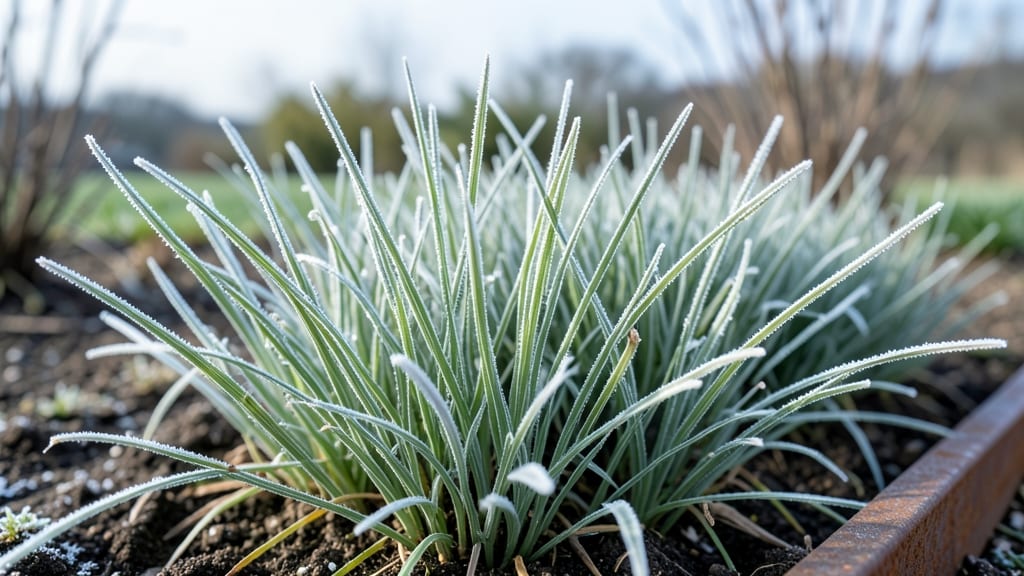
Leaving leaves on grass over winter actually saves you work—and your lawn thrives from it. 🌿 I used to rake every fall, but now I let nature do the heavy lifting, and my grass greens up faster in spring than ever before.
The leaves act like a protective blanket, insulating roots from freezing temperatures while slowly breaking down into natural fertilizer.
This works best in mild winters (zones 6-9), where leaves don’t mat down into a thick, suffocating layer. If you’re in a cold climate, chop leaves into ¼-inch pieces with a mulching mower first—it speeds up decomposition and prevents smothering.
A sharp mower blade is key; dull blades shred leaves into clumps that block sunlight.
Your lawn will wake up 2-3 weeks earlier in spring because the leaf layer retains moisture and warmth. Weeds struggle to germinate through the thick mulch, and earthworms thrive in the organic matter.
The downside? In heavy shade, too many leaves can create a soggy, anaerobic mess—so monitor and rake if needed.
For best results, spread leaves evenly (no piles over 2 inches deep) and mow them into the grass once or twice during winter. If you notice bare spots in spring, just rake away the remaining leaves and overseed.
It’s not just lazy gardening—it’s smarter lawn care that saves time and money.
📚 In This Guide
- What you need
- Instructions
- Tips and common mistakes
- Wrapping up and next steps
What you need
- ● Leaves: A natural, even layer (about 1–2 inches thick) of dry, fallen leaves—oak, maple, or pine work best. Avoid wet or diseased leaves.
- ○ Rake: A sturdy bow rake (18–24 inches wide) to spread leaves evenly. A leaf blower (optional) speeds up the process.
- ● Lawn mower: A mulching mower (if you prefer to chop leaves into smaller pieces first) or any standard mower.
- ● Garden gloves: Heavy-duty nitrile or leather gloves to protect hands from prickly leaves or debris.
- ● Water source: A hose with a sprinkler head or watering can to lightly moisturize leaves if they’re too dry.
- ● Leaf vacuum: For quick cleanup if leaves pile up unevenly.
- ○ Soil test kit: To check lawn health before winter (optional but highly recommended for spring prep).
- ● Winter mulch fabric: Lightweight landscape fabric (if using heavy leaves to prevent matting).
- ● Compost bin: For collecting leaves to reuse as nutrient-rich mulch later.
How to leave leaves on grass over winter (without killing your lawn)
This method saves time and keeps your lawn healthier—just follow these simple steps.
🌿 Step 1: Mow Leaves into Smaller Pieces First
Before leaving leaves on your lawn, mow them into smaller pieces using your lawnmower. Set the blade height to its highest setting to avoid tearing the grass blades. This prevents thick mats from forming, which can smother grass and block sunlight. Run the mower over the leaves two or three times until they resemble confetti—this ensures even distribution and faster decomposition.
I like to do this when the leaves are dry, as wet leaves clump together and create uneven piles. If your mower struggles, rake larger piles into rows first. The goal is to spread the leaves no more than 1 inch thick—any thicker and they’ll suffocate the grass underneath. You’ll know you’ve done it right when the lawn looks like it has a light dusting of mulch rather than a heavy blanket.
💧 Step 2: Spread Leaves Evenly Across the Lawn
Use a rake or leaf blower to distribute the chopped leaves evenly across the lawn. Focus on areas where grass is already established—avoid newly seeded spots or thin patches, as leaves can smother tender grass. A light layer (about ½ inch or less) is ideal for most lawns. If you have a large yard, work in sections to avoid missing spots or creating thick patches.
Here’s the thing—don’t worry if every square inch isn’t perfectly covered. Some bare soil is fine, and the leaves will break down naturally over time. If you notice clumps forming, spread them out immediately. The key is uniformity, not perfection. You’ll see the best results when the leaves look like they’ve been lightly scattered rather than dumped.
☀️ Step 3: Monitor and Adjust Through Winter
Check your lawn every few weeks during winter to ensure leaves aren’t piling up or forming thick mats. If you notice areas where leaves have accumulated to more than 1 inch, rake them out and redistribute. Thick layers can trap moisture, leading to mold or rot, especially in damp climates. A quick once-over with a rake keeps things balanced without much effort.
You’ll also want to watch for grass color changes—if areas turn brown or look stressed, the leaves might be blocking too much light. In those cases, remove the excess leaves and let the grass recover. The goal is to supplement, not smother. By spring, you’ll see a lush, green lawn with minimal extra work—just like nature intended.
✂️ Step 4: Rake Up and Compost in Early Spring
Once spring arrives and new grass growth begins, it’s time to rake up the remaining leaves. Use a stiff rake to gather them into piles, then bag or compost them. This prevents leaves from decomposing into a thick, mat-like layer that can hinder spring mowing. I usually do this in late February or early March, depending on my climate—just before the first mowing of the season.
Don’t toss the leaves! They make fantastic compost—rich in nutrients for your garden. If you have a compost bin, mix them with other organic matter like grass clippings or kitchen scraps. You’ll end up with dark, crumbly compost perfect for feeding your lawn or garden beds. This closed-loop system means zero waste and healthier soil all season long.
Tips & tricks for perfect winter lawn care with fallen leaves
Here's what nobody tells you about making this method work flawlessly every season.
Timing Secret: The two or three mower passes in Step 1 are non-negotiable for best results. I learned this the hard way after seeing thick mats form when I only did one pass. For stubborn piles, work in rows like you're mowing grass—this creates even, confetti-like pieces that break down faster. Wet leaves? Wait until they're dry first, or you'll end up with clumps that look like you dumped mulch bags all over your lawn.
Equipment Upgrade: A leaf blower saves time when spreading leaves in Step 2, but use it carefully—blowing too hard can create uneven piles. For large yards, consider renting a vacuum-style leaf blower that sucks up leaves and distributes them evenly. If you only have a rake, work in small sections (about 10x10 feet) to maintain control over thickness. The goal is that "light dusting" look, not a windstorm aftermath.
Monitoring Strategy: Those "every few weeks" checks in Step 3 are your early warning system. I set a reminder on my phone for December and February to do quick inspections. Look for three things: thickness (shouldn't exceed 1 inch), color changes (brown means trouble), and any moldy spots (common in damp climates). A quick rake-through takes 10 minutes and prevents major damage—trust me, you'll thank yourself in spring.
Spring Cleanup Hack: Don't wait until March to rake up leaves in Step 4—start checking in late February. I test by seeing if new grass growth is visible through the leaves. If you see green poking through, it's time to clean up. Pro tip: Use a stiff rake with bent tines to gather leaves without disturbing the grass underneath. This makes the job 50% faster and keeps your lawn looking pristine for spring.
Pro Tips for Leaving Leaves On Grass Over Winter
- Here's what nobody tells you about making this method work flawlessly every season.
- Timing Secret: The two or three mower passes in Step 1 are non-negotiable for best results.
- Equipment Upgrade: A leaf blower saves time when spreading leaves in Step 2, but use it carefully—blowing too hard can create uneven piles.
Frequently asked questions
Got questions about leaving leaves on your lawn through winter? You’re not alone! Here are some of the most common concerns—and straightforward answers—to help you decide what’s best for your grass.
Is it safe to leave leaves on grass in freezing temperatures?
Yes, but with a few caveats! A thin layer (1–2 inches) of leaves acts as natural insulation, protecting grass from harsh winter winds and frost. However, thick piles (3+ inches) can smother grass, trapping moisture and leading to mold or rot. If you opt to leave them, rake them into clumps or use a leaf blower to avoid suffocating your lawn.
When is the best time to remove leaves if I change my mind?
Spring is the ideal window—aim for early March or after the last hard frost when grass starts greening up. Removing leaves too early (like late winter) can expose soil to erosion, while waiting too late (April+) risks compacting leaves into the turf. A quick rake or dethatching in spring will restore airflow and sunlight to your lawn.
Will leaving leaves over winter attract pests or diseases?
Not if managed properly! A light layer of leaves is harmless, but thick mats create damp, dark conditions that can attract slugs, fungi (like snow mold), or rodents. To minimize risks, mulch leaves finely with a mower or break them up with a rake. If pests appear, spot-treat with organic solutions like diatomaceous earth or encourage predators like birds and toads.
Can I still fertilize or aerate my lawn with leaves on top?
Timing matters! If you’re leaving leaves, wait until spring to fertilize or aerate—never apply fertilizer over thick leaf layers, as it can wash away or burn grass. For aeration, remove leaves first (or mulch them into the soil) to ensure tines penetrate deeply. Spring is also when grass wakes up and can better absorb nutrients.
What’s the easiest way to mulch leaves into grass without a leaf blower?
No blower? No problem! Use a lawn mower with a bagger (or just mow over dry leaves) to shred them into tiny pieces—this mimics natural mulch. For larger piles, try a rake-and-drop method: drag leaves into rows, then mow over them twice to break them down. Wear gloves and work in small sections for best results!
Wrapping up and next steps
Leaving leaves on your lawn over winter isn’t just a shortcut—it’s a sustainable, eco-friendly way to nurture a lush, green yard year-round. 🌿 Whether you’re saving time, reducing waste, or supporting local ecosystems, this simple practice works with nature instead of against it.
Ready to try it? Start small this fall by letting a section of your lawn go natural and observe the difference—you might just fall in love with the results!
🌱 Next Steps:
- Test a patch—Leave a small area untouched and compare it to mowed sections in spring.
- Adjust as needed—Use a leaf blower or rake to thin thick patches if needed.
- Share the win!—Spread the word and inspire neighbors to try it too.