
How To
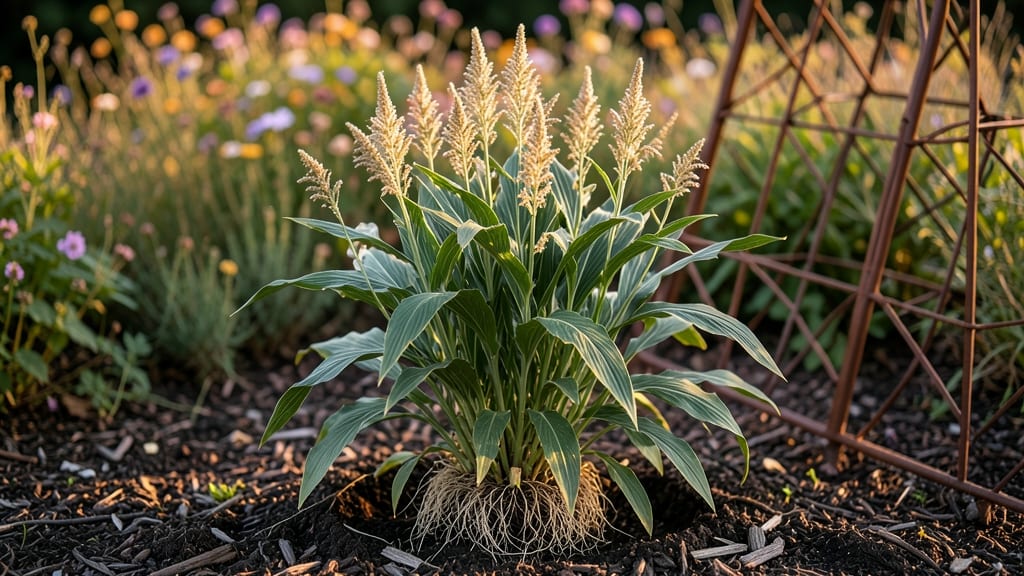
Johnson grass can grow up to 12 feet tall in ideal conditions, towering over most plants in your yard and making it one of the most aggressive weeds around.
Struggling with Johnson grass that seems to grow taller every year? This invasive weed 🌾 can reach heights that choke out your garden if left unchecked—but knowing its growth limits is the first step to controlling it effectively.
Native to warm climates but thriving in USDA Zone 6 and beyond, Johnson grass spreads rapidly through underground rhizomes, allowing it to dominate landscapes faster than many gardeners can react.
Below, I’ll break down how tall it can get, what factors influence its height, and the best ways to manage it before it takes over your yard for good.


Johnson grass height limits: how tall can it really grow?
If you've ever battled Johnson grass (Sorghum halepense) in your yard, you know it grows with shocking speed. This aggressive perennial can reach heights that make it a dominant force in landscapes—often 8 to 12 feet tall when fully mature.
But its growth isn't just about height; it's also about how quickly it spreads underground through deep rhizomes that can extend 15 feet or more from the parent plant.
The height variations you see depend on several factors: climate conditions, soil quality, and competition from other plants.
In humid southern regions, Johnson grass can hit its maximum height of 12 feet by late summer, while in drier northern climates, it might top out around 6 to 8 feet. Understanding these differences helps you predict its behavior and plan control strategies.
Here’s a quick look at how Johnson grass height compares across its growth stages and regions:
One of the most striking differences between young Johnson grass and mature plants is their structure. Young plants have smooth, slender stems and blue-green leaves, while mature plants develop thick, woody stalks and rough textures. This makes identification easier once you know what to look for.
In my experience, the seed heads that appear in late summer are a dead giveaway—though they’re also a sign the plant is at its most aggressive growth phase.
Johnson grass thrives in full sun and well-drained soil, which accelerates its height. In my Zone 7 garden, I’ve seen it reach 10 feet by August if left unchecked. The key to managing its height is early intervention, whether through mowing, herbicides, or smothering techniques.
Without control, it can easily outcompete desirable plants and even damage sidewalks or foundations as its roots spread.
If you're dealing with Johnson grass in urban areas, its height can become a safety hazard. In rural or agricultural settings, it’s often used as forage or hay, but its rapid growth and invasiveness make it a nuisance.
The rhizome system is what truly sets it apart—it can regenerate from fragments as small as 1 inch, making eradication challenging.
To identify Johnson grass at different stages, focus on these visual cues:
- Seedlings: Look for V-shaped leaf bases and hair-like auricles at the collar.
- Vegetative stage: Notice blue-green leaves and smooth stems that lack woody texture.
- Mature plants: Check for thick, hollow stalks and branching seed heads in late summer.
In my Southern California garden, Johnson grass can grow 30% faster than in cooler clim
Why Johnson grass grows so tall: root system & growth habits explained
Johnson grass (Sorghum halepense) doesn’t just grow tall—it explodes vertically thanks to its aggressive underground network. This invasive grass develops deep rhizomes that can extend 6-8 feet underground, fueling its rapid upward growth.
These horizontal roots also spread outward, creating a dense web that competes fiercely for nutrients and space.
The grass’s vertical growth is directly tied to its rhizome system. Each node along these roots can produce new shoots, creating a self-perpetuating cycle of growth.
In ideal conditions, a single Johnson grass plant can generate hundreds of new stems in just one growing season, each reaching for the sky.
🌱
⚠️ Warning: Johnson Grass Height Limits
Under perfect conditions—warm USDA Zone 6+, full sun exposure, and consistent moisture—Johnson grass can surge to 10-12 feet tall in a single season. In humid climates like the Southeast, its growth is 2-3x faster than in drier regions. Young plants (first year) stay 2-4 feet, but by year two, they’ll double in height if unchecked.
Climate plays a huge role in how tall Johnson grass grows. Humidity and rainfall act like natural fertilizers, accelerating its growth rate.
In tropical or subtropical regions, the grass can grow up to 2 inches per day during peak season, while cooler climates slow it to 1 inch per week. Even a single rainstorm can trigger a growth spurt, sending shoots skyward within days.
The grass’s seasonal growth cycle also explains its towering stature. It sprouts early (as soon as soil warms to 55°F), then enters a rapid growth phase from spring to early fall.
Unlike annual weeds, Johnson grass stays active until frost, giving it a 6-month head start over competitors. Its tall, fibrous stems store energy underground, allowing it to rebound quickly after mowing or drought.
One key factor in its height is its competitive advantage over native plants. Johnson grass outshades weaker species, blocking sunlight and depleting soil nutrients faster. Its deep root system also accesses water from lower soil layers, leaving shallow-rooted plants parched.
This aggressive dominance is why it can reach fence heights in just two growing seasons.
Understanding these growth habits is your first defense. By targeting its rhizomes, water needs, and seasonal cycles, you can limit its height and protect your garden. The key? Act early—once it’s 6 feet tall, control becomes far harder. 🪴