
Landscaping
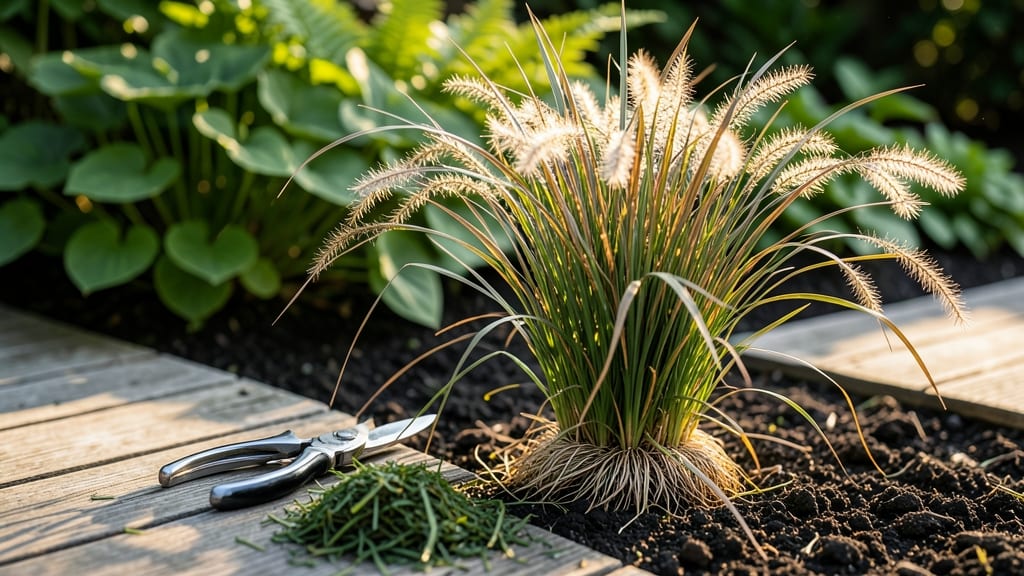
Cutting ornamental grasses the right way transforms them from wild clumps to year-round showpieces—and I’ve finally cracked the code after years of over-trimming and under-trimming.
The difference between a healthy, upright plant and a sad, leggy mess comes down to when and how you make those cuts, not just that you do it at all. Most people wait until late winter, but the best time depends on your grass type and your climate zone.
You’ll need sharp bypass pruners or a string trimmer (never dull tools—they tear instead of cleanly cut), plus a sharp pair of loppers for thicker stems.
The goal is to remove one-third of the plant’s height at a time, never more, and always cutting just above a node where new growth can emerge. This encourages fresh, dense regrowth while keeping the plant’s natural shape intact.
For most grasses, this means cutting back in late winter or early spring—but some varieties like Miscanthus or Pennisetum need a different approach.
What you end up with is a grass that looks neat and intentional all year, not just in summer. The new growth comes in lush and vibrant, and you’ll notice fewer browned stems by next season.
Even better, proper cutting prevents that unruly, tangled mess that makes grasses look like they need a haircut every month. The key is patience—don’t rush it, and you’ll have grasses that stand out in every season.
This method works for all ornamental grasses, from feathery fountain grasses to bold switchgrass, and even in small containers or large landscapes. The only real mistake is cutting into old, woody stems—those won’t regrow, so focus on the green, flexible growth instead.
Once you see the difference, you’ll never go back to random snipping again.
📚 In This Guide
- What you need
- Instructions
- Tips and common mistakes
- Wrapping up and next steps
What you need
- ● Sharp pruning shears or hedge shears – Choose bypass-style (for clean cuts) or anvil-style (for thicker stems). Size: 6–8 inches for most grasses.
- ● Heavy-duty pruners or loppers – For thicker clumps (e.g., Miscanthus or Panicum). Spec: 8–12 inches with bypass blades.
- ○ Hedge trimmer (optional but helpful) – Electric or cordless for large patches. Blade length: 12–16 inches.
- ● Gloves – Garden-grade (cut-resistant) to protect hands from jagged edges.
- ● Safety glasses – Essential when trimming near the face or eyes.
- ● Rake or leaf blower – To clear debris after cutting.
- ● Dry conditions – Wait until grasses are completely dry (avoid cutting wet foliage to prevent disease).
- ● Weather check – Trim on a calm, sunny day (avoid windy or rainy days).
- ○ Mark your cuts – Use spray paint or stakes to outline desired shapes (optional but helpful for beginners).
- ● Disinfect tools – Wipe blades with rubbing alcohol or a 10% bleach solution before and after use.
- ● String trimmer (weed whacker) – For low-growing grasses (e.g., Carex varieties). Tip: Use a sharp blade, not string.
- ● Knee pads or stool – For comfort during long sessions.
- ● Pruning saw – For extremely thick stems (rare for ornamental grasses but handy for overgrown clumps).
Instructions for precision cuts on ornamental grasses
Here's the method I rely on to keep ornamental grasses looking sharp year-round without sacrificing their natural beauty.
Time Your Cuts Based on Growth Patterns
Ornamental grasses grow in distinct phases, and cutting at the wrong time can stunt new growth or leave them vulnerable to pests. For most varieties like maiden grass or fountain grass, the best time to cut back is late winter or early spring, just as new shoots begin to emerge. Look for the tight, green growth at the base of the clump—this is your signal that the plant is waking up from dormancy.
If you're working with warm-season grasses like switchgrass or bluestem, wait until late spring after the first flush of new growth appears. Never cut back in fall or winter unless you're dealing with dead foliage, as this removes the protective layer that insulates the crown during cold months. I always mark my calendar with the last frost date to time my cuts perfectly.
Use the Right Tools for Clean Cuts
A sharp pair of bypass pruners or hedge shears is essential for making clean cuts that heal properly. Dull tools crush stems and create jagged edges, which can invite disease. Before you start, test your shears by cutting a small branch—if it doesn’t glide through with minimal resistance, sharpen or replace them. For larger clumps or thick stems, a pruning saw works best to avoid tearing the foliage.
Wear gloves to protect your hands from sharp blades and potential scratches from stiff grass blades. I also recommend wearing long sleeves and closed-toe shoes, as ornamental grasses can have barbed edges that catch easily. Keep a small bucket or bag nearby to collect clippings, which can be composted later for nutrient-rich soil.
Cut Back to the Right Height
The key to maintaining ornamental grasses is cutting back to the crown, which is the dense, often woody base where new growth emerges. For most grasses, this means cutting back to 2-4 inches above the ground, depending on the variety. Some grasses, like feather reed grass, can be cut closer to the ground, while others, like pampas grass, may need to be left slightly taller to preserve their structure.
To find the crown, gently pull back the outer foliage to locate the tight cluster of stems at the base. Avoid cutting into this area, as it can damage the growing point and weaken the plant. If you're unsure, err on the side of leaving a little more foliage—you can always trim more later, but you can’t regrow what you’ve cut off.
Shape and Thin for Airflow and Light
Once you’ve made the initial cuts, step back and assess the overall shape of the grass. Ornamental grasses often develop a natural, airy form, so avoid shearing them into tight, formal shapes like hedges. Instead, focus on thinning out the center to improve airflow and reduce humidity, which can prevent fungal diseases like rust or powdery mildew. Use your shears to snip out dead or crossing stems that detract from the plant’s natural silhouette.
For grasses with plumes or seed heads, leave these intact until they turn brown and brittle. These structures add winter interest and provide food for birds. Once they’ve fully dried, you can cut them back at the same time as the rest of the plant. I like to run my hands through the foliage to feel for any hidden dead spots or weak growth that needs attention.
Clean Up and Monitor for Recovery
After cutting, remove all debris from the base of the plant to prevent pests or diseases from taking hold. Dispose of any diseased or moldy clippings in the trash rather than composting them. Water the grass lightly after trimming to help it recover, but avoid overwatering, which can lead to root rot. Most ornamental grasses will bounce back within 2-4 weeks, with fresh green growth signaling a successful cut.
Keep an eye on the plant in the weeks following the trim. If you notice yellowing leaves, wilting, or slow regrowth, it may be a sign of over-cutting or stress. In this case, reduce watering slightly and avoid fertilizing until new growth appears. With proper timing and technique, your ornamental grasses will reward you with year-round interest and a polished, natural look.
Tips & tricks for perfect ornamental grass maintenance
These precision-focused tips will help you achieve professional-level results while keeping your ornamental grasses thriving all year.
Seasonal Timing Insight: The late winter/early spring window is critical because it aligns with the plant's natural dormancy break. I've found that checking for those tight green shoots at the base is more reliable than following calendar dates alone—some years, warm spells can push growth earlier. For warm-season grasses, wait until you see at least 3-4 inches of new growth before cutting, as this ensures you're not removing the plant's energy reserves too soon.
Tool Preparation Technique: Before you start cutting, I recommend testing your shears on a small branch to verify sharpness—this simple check prevents the frustration of struggling with dull tools mid-project. For larger clumps, a pruning saw gives you more control, but I've learned the hard way that trying to force shears through thick stems often results in torn foliage. Always keep a small bucket nearby to collect clippings, as these can be composted to return nutrients to your garden soil.
Height Reference Strategy: When cutting back to the crown, I've developed a simple trick: hold a ruler or measuring tape vertically against the plant to visualize the 2-4 inch height range. For varieties like pampas grass, I mark the tape at 3 inches to ensure I'm not cutting too aggressively. Remember that some grasses like feather reed grass can handle closer cuts, while others need that extra height to maintain their architectural form—always check the specific care requirements for your variety.
Recovery Monitoring: After trimming, I recommend scheduling a follow-up check in 2-3 weeks to assess the plant's recovery. Look for fresh green growth emerging from the base—this is your confirmation that the cut was successful. If you notice yellowing leaves or slow regrowth, it's often a sign that you cut too aggressively or the plant was stressed. In these cases, reduce watering slightly and avoid fertilizing until you see new growth, as the plant will be focusing its energy on recovery rather than foliage production.
Pro Tips for Best Way To Cut Ornamental Grasses
- These precision-focused tips will help you achieve professional-level results while keeping your ornamental grasses thriving all year.
- Seasonal Timing Insight: The late winter/early spring window is critical because it aligns with the plant's natural dormancy break.
- Tool Preparation Technique: Before you start cutting, I recommend testing your shears on a small branch to verify sharpness—this simple check prevents the frustration of struggling with dull tools mid-project.
Frequently asked questions
Got questions about trimming your ornamental grasses like a pro? Here are some of the most common concerns—plus expert answers to keep your yard looking polished all year.
When is the best time of year to cut ornamental grasses?
The ideal time depends on the type, but most ornamental grasses should be cut in late winter or early spring (before new growth begins). For winter interest varieties, wait until spring to preserve their seed heads and texture. Always cut back dead foliage first—never cut into green growth!
Do I need to cut ornamental grasses all the way to the ground?
Not always! For clumping grasses (like Miscanthus or Pennisetum), trim to 3–6 inches above the ground. For spreading types (like Carex), leave 2–3 inches to encourage regrowth. Over-cutting can stress the plant—less is often more for a natural look.
What’s the difference between cutting and dividing ornamental grasses?
Cutting removes dead or overgrown foliage for shape, while dividing splits the root ball to rejuvenate crowded plants. Divide every 3–5 years in spring or fall. Pro tip: Use a sharp spade and water thoroughly before/after to reduce shock!
Can I cut ornamental grasses in fall or winter?
Cutting in fall removes seed heads that may spread (unless you want winter interest). In winter, avoid cutting unless the grass is completely dead—some varieties (like Calamagrostis) rely on old foliage for insulation. If you must trim, do it after a hard frost for cleaner cuts.
Why does my ornamental grass turn brown after cutting?
Brown tips often mean over-cutting or drought stress. If you trimmed too low, the plant may struggle to regrow. Check for pests or disease (like rust) and water deeply. For evergreen grasses, brown spots can be normal—just trim back to healthy growth.
What’s a good alternative if I don’t want to cut my grasses?
Leave them! Many grasses thrive with minimal maintenance. For a wild, natural look, simply remove dead seed heads in spring. If overgrowth is an issue, thin out clumps instead of cutting—this mimics their natural habitat and reduces labor.
Wrapping up and next steps
Cutting ornamental grasses doesn’t have to be intimidating—with the right tools, timing, and technique, you can keep them looking sharp and healthy all year long. Remember to use sharp tools, follow seasonal guidelines, and embrace the natural shape for a low-maintenance yet stunning landscape.
Now that you’re armed with these tips, grab your pruners and give your grasses the care they deserve!
Ready to transform your outdoor space? Start small—pick one or two grasses to practice on, and soon you’ll be a pro! 🌿✂️