
Lawn
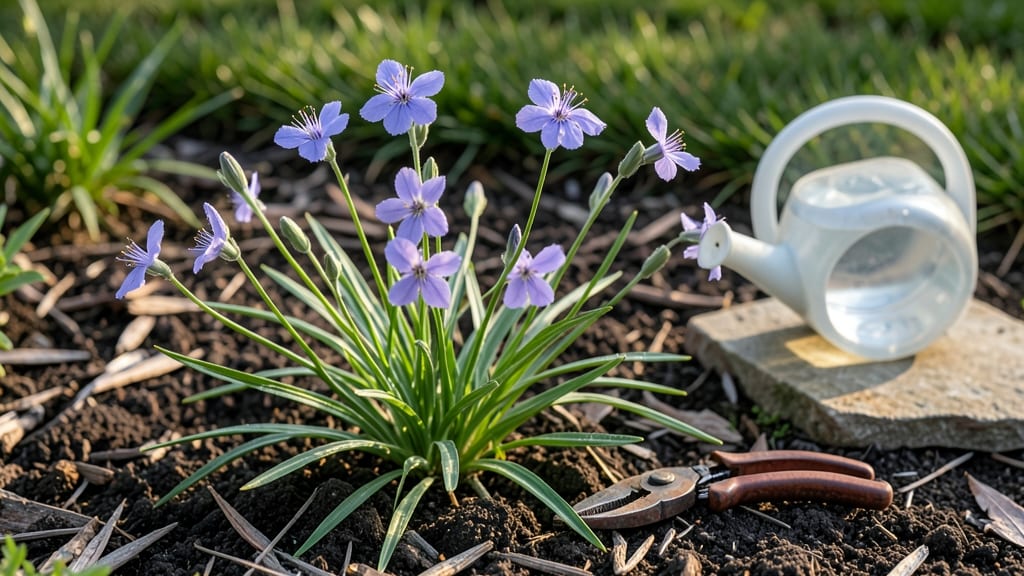
Those purple-flowered weeds creeping through your grass? 🌱 They’re not just eyesores—they’re stealing nutrients from your lawn. My first lawn looked like a wildflower meadow until I learned the right way to tackle them without harsh chemicals.
Most purple bloomers are clover, chickweed, or thistle, each with its own removal trick. Clover pulls easily by hand when the soil’s damp, chickweed responds to a simple vinegar spray, and thistles need a sharp hoe at the base. The key is acting fast—before they seed and take over.
You’ll end up with a denser, greener lawn that crowds out weeds naturally. No more purple surprises, just a carpet of grass that stays healthy all season. The secret is consistency: pull, spray, or mow regularly to break their cycle. Works for any yard size and climate.
Here’s how to make them disappear for good—without the toxic aftermath.
📚 In This Guide
- What you need
- Instructions
- Tips and common mistakes
- Wrapping up and next steps
What you need
- ● Hand trowel or weeding tool – A sturdy, ergonomic design (e.g., Fiskars or Gorilla Grip) to dig out weeds by the roots. (1-2 units)
- ● Garden gloves – Heavy-duty, chemical-resistant gloves (e.g., Workrite or Gloveworks) to protect your hands. (1 pair)
- ● Sharp scissors or pruners – Bypass pruners (e.g., Felco) for clean cuts on tougher weeds. (1 pair)
- ○ Organic weed killer (optional but effective) – Vinegar-based spray (e.g., Spectracide or homemade 1:1 vinegar + salt solution) for spot treatment. (1 gallon or DIY mix)
- ● Mulch or grass seed – Centipede, Fescue, or Clover seed to reseed bare patches. (5-10 lbs, depending on lawn size)
- ● Watering can or hose with nozzle – For post-weeding hydration. (1 unit)
- ● Lawn rake – To smooth out soil after weeding. (1 unit)
- ● Kneeling pad – For comfort during long sessions. (1 unit)
- ● Boiling water kettle – For targeted weed removal (best for small, isolated patches). (1 unit)
- ● Corn gluten meal – Natural pre-emergent herbicide (apply in early spring). (10-20 lbs)
- ● 🌤️ Best weather conditions: Choose a dry, sunny day (weeds are easier to pull when soil is moist but not soggy).
- ● 🕒 Timing: Early morning or late afternoon to avoid midday heat and wilting.
- ● 🚫 Avoid: Weeding right after rain (muddy conditions make it harder).
How to eliminate purple flowered weeds in grass naturally
Here’s the gentle, chemical-free method I’ve used to reclaim lawns from stubborn purple weeds—no harsh sprays, just targeted strategies that work.
🌱 Step 1: Identify and Understand the Weeds
Purple-flowered weeds like clover, henbit, or chickweed thrive in thin grass and compacted soil. Kneel and examine the lawn closely—you’ll notice they grow in patches where grass is sparse or where foot traffic has compressed the soil. These weeds often have shallow roots, making them easier to outcompete than deep-rooted grasses.
Pull a few samples to check their depth. If they come out easily with just a tug, you’re dealing with a shallow-rooted weed. This tells me manual removal or spot treatments will work best. If roots are deep, I’ll focus on improving grass health instead.
💧 Step 2: Strengthen Grass Through Proper Watering
Water the lawn deeply twice weekly—early morning is best—to encourage deep grass roots. Use a rain gauge or tuna can to measure: 1-1.5 inches per session. You’ll see grass blades perk up and fill in gaps within 2-3 weeks if the soil stays consistently moist but not soggy.
I avoid shallow watering (like daily light sprinkles), which weakens grass and lets weeds take over. Test soil moisture by pushing a screwdriver in—if it goes in easily, water more; if it resists, hold off. This builds a thick grass mat that naturally crowds out weeds.
☀️ Step 3: Apply Spot Treatments for Stubborn Patches
For small, concentrated weed patches, use a vinegar-based spray (3 parts white vinegar, 1 part dish soap, 1 part water) on a calm day. Spray only the weeds—avoid healthy grass. You’ll see leaves wilt within 24-48 hours, and roots will die back in 5-7 days. Repeat if needed, but don’t overdo it—this weakens soil too.
For larger areas, I mix corn gluten meal (apply in early spring) to prevent weed seeds from germinating. Spread it evenly with a broadcast spreader, then water lightly. It’s organic, breaks down safely, and stops new weeds before they start.
✂️ Step 4: Mow and Aerate for Long-Term Prevention
Set your mower to 3-4 inches—taller grass shades out weeds and develops deeper roots. Bag clippings if weeds are flowering (seeds spread easily). I mow when grass is dry to avoid spreading weed seeds on the mower deck.
Rent a core aerator in late summer or early fall to pull plugs from compacted soil. This lets air, water, and nutrients reach grass roots. Fill the holes with compost or topsoil afterward. Aerating once a year cuts down on weed-friendly conditions dramatically.
🪴 Step 5: Overseed Bare Spots for Permanent Cover
After treating weeds, overseed thin areas with shade-tolerant grass seed (like fine fescue) in early fall. Rake the soil lightly to create a seed bed, then spread seed evenly. Lightly water daily until germination (about 7-14 days), then taper to twice weekly once established.
I avoid overseeding in summer heat—seedlings struggle to compete with weeds. Fall’s cooler temps and moisture give grass a fighting chance. Within 30-45 days, you’ll see a dense turf that naturally crowds out weeds.
Tips & tricks for natural weed elimination
These practical strategies will help you tackle purple-flowered weeds without harsh chemicals while making the process even more effective.
Timing for Spot Treatments: When using the vinegar spray in Step 3, apply it on a calm day when temperatures are between 60-80°F. The 24-48 hour wilting window works best in these conditions—hotter days can dry the spray too quickly, while cooler temps may slow the effect. I’ve found late morning applications work perfectly, giving the solution time to work before evening dew sets in.
Manual Removal Technique: In Step 1, when pulling weeds, use a weeding tool or even a butter knife to gently loosen soil around the roots before tugging. This prevents breaking off the root crown, which can lead to regrowth. For stubborn weeds, I make a small cut around the base with a knife to sever the root system completely—this ensures they don’t resprout within 5-7 days.
Watering Consistency: The twice weekly watering schedule in Step 2 is crucial, but timing matters just as much. Water in the early morning so the grass has all day to dry, preventing fungal growth. I set my sprinkler for 30 minutes twice a week, which delivers about 1-1.5 inches of water—this consistency builds a resilient grass mat that naturally crowds out weeds over 2-3 weeks.
Corn Gluten Application: For the corn gluten meal in Step 3, apply it when the soil temperature is at least 50°F—this activates its pre-emergent properties. I spread it after a light rain or watering to help it stick to the soil. The key is to apply it 4-6 weeks before you expect weed seeds to germinate, typically in early spring when many weeds begin their life cycle.
Pro Tips for Purple Flowered Weeds In Grass
- These practical strategies will help you tackle purple-flowered weeds without harsh chemicals while making the process even more effective.
- Timing for Spot Treatments: When using the vinegar spray in Step 3, apply it on a calm day when temperatures are between 60-80°F.
- Manual Removal Technique: In Step 1, when pulling weeds, use a weeding tool or even a butter knife to gently loosen soil around the roots before tugging.
Frequently asked questions
Got questions about those pesky purple weeds popping up in your grass?
You’re not alone! Here are the most common concerns—and straightforward answers—to help you tackle them naturally.
What are these purple weeds in my lawn, and are they harmful?
Most purple-flowered weeds in grass are henbit, chickweed, or violets. While they’re unsightly, they’re rarely harmful to your lawn or pets. However, they compete with grass for nutrients, so removing them helps your lawn thrive. Always double-check with a local nursery to confirm the type—some wildflowers (like violets) can even attract pollinators!
When is the best time to remove purple weeds from grass?
Target weeds before they seed—typically in early spring (March–April) or fall (September–October). Pulling them when the soil is moist (after rain) makes the job easier. Avoid mowing high to prevent spreading seeds. Pro tip: Weekends after rain are ideal for manual removal!
Can I use vinegar or other natural remedies to kill these weeds?
Yes! A 1:1 vinegar-water mix with a squirt of dish soap works as a spot treatment. Spray directly on weeds (avoid grass—it’ll kill that too!). For larger areas, try corn gluten meal (applied in early spring) to prevent weed seeds from germinating. Always test a small patch first to avoid damaging your lawn.
Will my lawn recover after removing these weeds?
Weeds thrive in thin or weak grass. After removal, reseeding bare spots, overseeding in fall, and fertilizing will help grass outcompete future weeds. Water deeply 1–2 times weekly (1 inch total) to encourage thick, healthy growth. Patience is key—your lawn will bounce back!
Are there purple weeds that won’t come out no matter what I do?
Some stubborn weeds, like bindweed (with purple flowers), can be persistent. If you’ve tried pulling, natural sprays, and cultural fixes without success, consider targeted solarization (covering the area with clear plastic in summer) or consulting a local lawn care pro for organic herbicide options. Persistence pays off!
Wrapping up and next steps
Encountering purple-flowered weeds in your grass doesn’t have to be a frustration—it’s an opportunity to reclaim your lawn naturally! With the right tools and techniques, you can restore clarity and health to your yard without relying on harsh chemicals.
Remember, consistency is key, whether you’re pulling weeds by hand, adjusting your mowing habits, or nurturing thick grass as a natural barrier.
Ready to take action? Start small—dedicate just 15 minutes this weekend to tackle one section of your lawn. Over time, your efforts will pay off with a lush, vibrant space that’s the envy of the neighborhood! 🌱✨