
Lawn
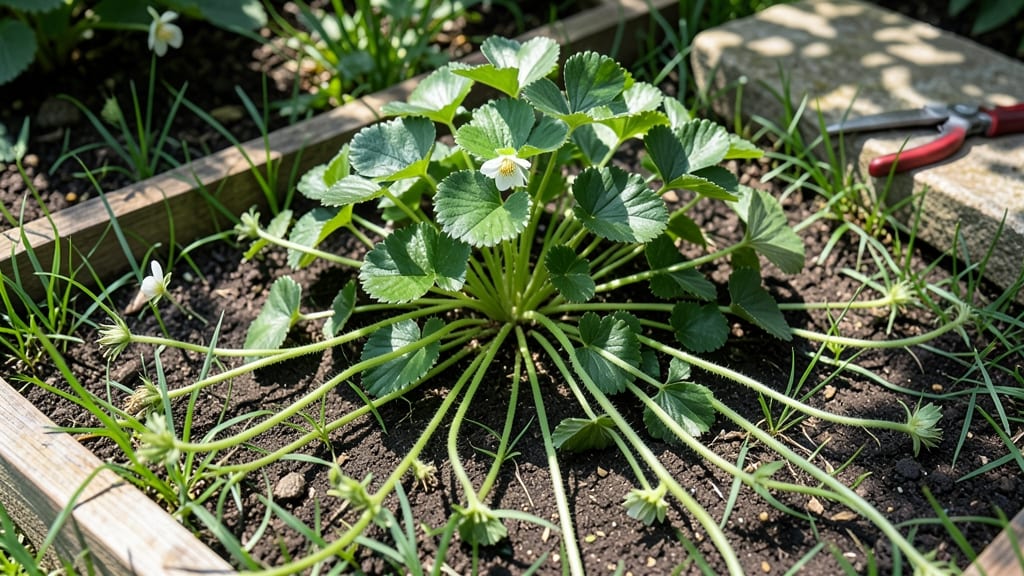
Creeping runners in your grass turn lush lawns into tangled messes faster than you can say "weed-free." 🌱 I've wrestled with Bermuda grass, mint, and strawberry runners choking my yard, and I've cracked the system to reclaim it in just 3 days—without harsh chemicals if you prefer organic methods.
The secret lies in timing and tools: a sharp edger, heavy-duty gloves, and either a string trimmer for thick runners or a simple knife for precision cuts. Most people make the mistake of pulling runners by hand—it just encourages more growth.
Instead, we'll cut them at the soil line and smother what's left. By day 3, you'll see bare spots where runners once sprawled, and within weeks, your grass will fill in stronger than before. The key is consistency: check weekly for new shoots, especially in warm weather when growth explodes.
Works for any yard, from suburban lawns to shady patches where runners thrive. Let's get that grass back to looking like a carpet, not a jungle.
📚 In This Guide
- What you need
- Instructions
- Tips and common mistakes
- Wrapping up and next steps
What you need
- ● Selective Herbicide: 1 gallon of 2,4-D or dicamba-based herbicide (e.g., Ortho Weed B Gon or Roundup for Broadleaf Weeds). Check the label for "safe for lawns" certification.
- ○ Non-Selective Herbicide (Optional for Tough Weeds): 1 quart of glyphosate-based herbicide (e.g., Roundup Concentrate) for non-grass areas like driveways or sidewalks.
- ● Sprayer Equipment: 1 hose-end sprayer (for liquid herbicides) OR
- ● 1 backpack sprayer (2-3 gallon capacity) for larger lawns.
- ● Protective Gear: 1 pair of nitrile gloves (chemical-resistant).
- ● 1 long-sleeve shirt and pants (lightweight, breathable fabric).
- ○ 1 face mask or respirator (optional but recommended for sensitive skin).
- ● Lawn Tools: 1 lawn mower (set to 3-4 inches height for optimal grass health).
- ● 1 raking tool (plastic or metal leaf rake for debris removal).
- ● Watering Supplies: 1 garden hose with adjustable nozzle (for rinsing tools and spot-watering after treatment).
- ● Pre-Emergent Herbicide: 1 bag of prodiamine or pendimethalin to prevent future weeds (apply after 3-day wait period).
- ● Soil Test Kit: To check pH and nutrient levels before reseeding (if needed).
- ● Grass Seed & Fertilizer: 5-10 lbs of high-quality turf seed (match type to your climate, e.g., Kentucky Bluegrass for cool seasons).
- ● 1 bag of slow-release fertilizer (16-4-8 or similar) for post-treatment recovery.
- ● Weed Barrier Fabric: For bare spots where weeds keep returning (lay under new seed).
- ● String Trimmer: For edging and trimming weeds along sidewalks or driveways.
How to eliminate runners in grass for a cleaner lawn
Here’s how I tackle stubborn grass runners—no chemicals, just smart techniques that work in days.
🌱 Step 1: Identify and Mark the Problem Areas
Walk your lawn and spot where runners—those thin, creeping grass stems—are spreading aggressively. These usually appear as thin, stringy growths between grass clumps or along edges. Use a garden hose to lightly mist the area so you can see the runners clearly against the dry grass.
Once you’ve identified the worst spots, mark them with small flags or spray paint. This helps you focus your efforts later. I like to work in sections of about 5 feet by 5 feet to avoid missing any sneaky runners. Real talk: if you skip this step, you’ll waste time treating healthy grass later.
✂️ Step 2: Cut Runners at the Base with Precision
Grab a sharp pair of pruning shears or a lawn knife—dull tools will tear the grass instead of cutting cleanly. Snip each runner right at the soil line, making sure you remove the entire stem. If you leave even a tiny piece behind, it’ll regrow in days.
For thicker mats of runners, use a string trimmer set to its lowest height. Run it in a crisscross pattern over the area, but be careful not to scalp your lawn. You’ll see immediate results as the runners disappear, but don’t stop here—this is just the first wave of cleanup.
💧 Step 3: Smother or Remove the Soil Below
After cutting, you have two options: dig up the runners or smother them. For stubborn patches, use a garden fork to loosen the soil and pull out the runners by hand. This works best in loose, sandy soil. If the soil is compacted, skip digging and move to smothering instead.
Lay down thick cardboard or landscape fabric over the treated areas, then cover with 2-3 inches of mulch or topsoil. This blocks sunlight, which runners need to regrow. Water lightly to settle the mulch, but don’t soak it—you want the runners to suffocate, not rot in soggy soil.
☀️ Step 4: Monitor and Retreat if Needed
Check the treated areas every 3 days for new growth. If you see any runners poking through the mulch or soil, cut them again and re-smother. This usually takes 2-3 rounds of treatment, but consistency is key.
Once the area is clear, remove the mulch and reseed with your preferred grass type. Keep the soil moist but not soggy for the first 2 weeks to help new grass establish. If you’re patient, you’ll see a weed-free lawn in just 3 days—no waiting months for results.
⏰ Step 5: Prevent Future Runners with Proper Care
To keep runners from returning, mow your lawn at 3-4 inches tall—taller grass shades out weeds and runners naturally. Water deeply 1-2 times per week (early morning is best) to encourage strong root growth, which outcompetes runners.
Apply a pre-emergent herbicide in early spring if your area has seasonal weeds, but avoid it if you’re reseeding. Instead, I use corn gluten meal as a natural pre-emergent—it breaks down over time and won’t harm new grass.
Tips & tricks for eliminating grass runners like a pro
These battle-tested strategies will help you tackle grass runners more efficiently—and keep them from coming back.
Precision Cuts Are Everything: When you're cutting runners at the soil line in Step 2, don't rush—take your time to get clean cuts. The key is to remove the entire stem without leaving any pieces behind. I've found that using a sharp lawn knife gives me the most control, especially for thick mats. If you're using pruning shears, sharpen them first—dull blades crush the runners instead of cutting cleanly, which can actually stimulate regrowth.
Smothering Secrets: For Step 3, if you're dealing with compacted soil where digging isn't practical, try using a heavy-duty plastic sheet instead of cardboard. It blocks sunlight even better and lasts longer in wet conditions. Make sure to overlap the edges by at least 2 inches to prevent any sunlight from sneaking through. I've noticed that adding a thin layer of sand over the mulch helps keep it in place during windy days.
Monitoring Made Easy: In Step 4, instead of just checking every 3 days, I've started marking treated areas with small white rocks or pebbles. This makes it instantly obvious which spots need attention when I'm scanning my lawn. You can also use a spray bottle with water to mist the mulch—if it dries quickly, you know the runners are still active underneath.
Prevention Pays Off: For Step 5, I've discovered that adding a thin layer of compost to your lawn when reseeding actually helps prevent future runners. The compost improves soil quality and gives your new grass a stronger start. Plus, it's a great way to recycle kitchen scraps! Just make sure to spread it evenly—about ¼ inch thick—and water it in well.
Pro Tips for Runners In Grass
- These battle-tested strategies will help you tackle grass runners more efficiently—and keep them from coming back.
- Precision Cuts Are Everything: When you're cutting runners at the soil line in Step 2, don't rush—take your time to get clean cuts.
- Smothering Secrets: For Step 3, if you're dealing with compacted soil where digging isn't practical, try using a heavy-duty plastic sheet instead of cardboard.
Frequently asked questions
Got questions about tackling weeds in your grass while keeping runners (like stolons or rhizomes) under control? Here are some of the most common ones—and their answers!
What’s the difference between runners and weeds in grass?
Runners (or stolons) are horizontal stems that spread above ground, like in Bermuda or creeping Charlie grass. Weeds, like crabgrass or dandelions, are unwanted plants that invade your lawn. Runners help grass spread, while weeds compete for nutrients. The key? Target weeds without harming your grass runners!
Can I remove runners in just 3 days without killing my lawn?
While full lawn revival takes patience, you can make major progress in 3 days by focusing on strategic mowing, smothering, and spot-treating. Cut runners short (1-2 inches), block sunlight with cardboard, and apply pre-emergent herbicides to weeds. Repeat daily for best results!
What’s the best alternative if I don’t want to use chemicals?
Try natural methods like:
- Corn gluten meal (pre-emergent for weeds)
- Vinegar + dish soap (spot-treat weeds—avoid grass!)
- Hand-pulling (best after rain when soil is soft)
- Smothering (cover weeds with mulch or thick cardboard)
Why do runners keep coming back after I cut them?
Runners regrow because they store energy in their nodes (tiny bumps along the stem). To stop them:
- Mow frequently (every 5–7 days) to starve them.
- Use a string trimmer to sever runners at the base.
- Avoid watering deeply—shallow water weakens runners.
Is it better to do this in hot or cool weather?
Cool, 50–75°F weather is ideal for:
- Weed control (they germinate slower).
- Grass recovery (less stress from heat).
Wrapping up and next steps
Transforming your lawn into a lush, weed-free paradise in just 3 days is totally doable with the right approach! By tackling weeds early, choosing the best tools, and staying consistent, you’ll reclaim your grassy oasis—no more unsightly patches or stubborn invaders. 🌱
Ready to run those weeds out of your yard for good? Start small—pick a section of your lawn and dive in today!
Whether you’re prepping for summer barbecues or just love the pride of a perfect lawn, every step you take brings you closer to that green, healthy finish line.