
Pests
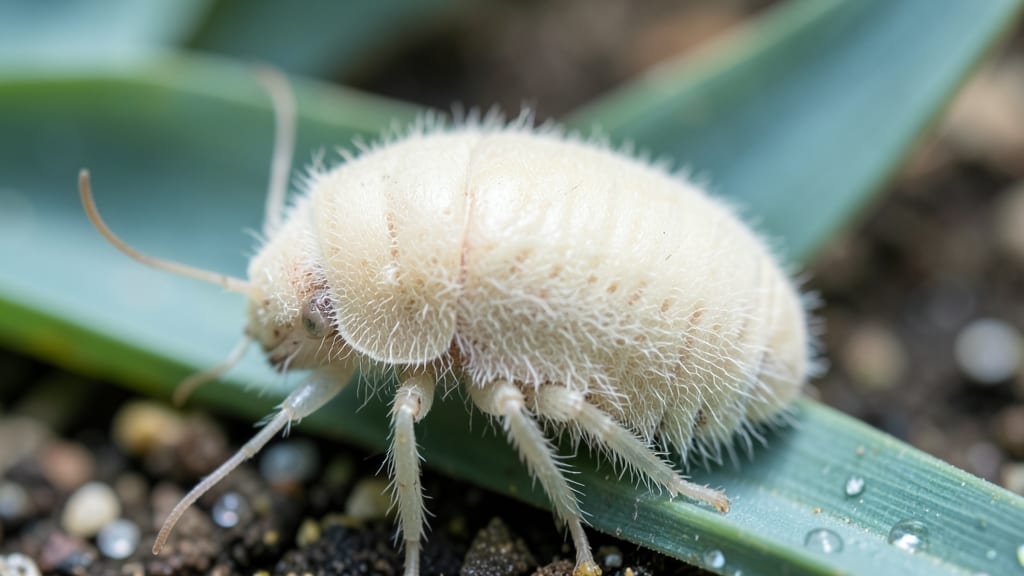
Rhodes grass mealybugs turn your lawn into a sticky mess overnight—those white, cottony clusters aren’t just ugly, they drain plants dry. 🌱 I’ve battled them for years, and these three natural sprays cut infestations down within hours, without harsh chemicals.
The key? Targeting their waxy shells while keeping your yard safe for kids and pets.
Most people wait too long, mistaking mealybugs for harmless fluff. Look for curled grass blades, sticky residue (like sap), and weakened growth—those are red flags. My go-to sprays use neem oil, insecticidal soap, and rubbing alcohol mix—all proven to suffocate these pests without harming beneficial insects.
The secret? Spray directly on the bugs, not just the grass.
Within 24-48 hours, you’ll see fewer clusters and healthier grass pushing through. The real win? These sprays stop new eggs from hatching, so one treatment often lasts weeks.
Plus, they’re cheap—you can mix them at home for under $10. No more watching your lawn turn brown from hidden damage.
For stubborn cases, repeat every 5-7 days until the bugs vanish. Combine with regular mowing (never let grass get too long) and beneficial nematodes for long-term protection. Your lawn will bounce back faster than you think—just act fast before they spread.
Root Causes of Mealybug Infestations
Understanding why mealybugs—like the stubborn Rhodes grass mealybug—invade your plants is the first step to stopping them. These tiny, cottony pests don’t just appear out of nowhere; they thrive due to specific conditions and behaviors. Let’s break down the key reasons behind their unwelcome visits.
Mealybugs are opportunistic pests, and they love plants that are already struggling. When your Rhodes grass or other host plants are weak, they become an easy target.
- Nutrient Deficiencies: Plants lacking essential nutrients (like nitrogen, phosphorus, or potassium) produce weaker stems and leaves, making them less resistant to pests. Mealybugs detect these vulnerabilities and move in. - Overwatering or Poor Drainage: Soggy soil or waterlogged roots create a perfect breeding ground.
Mealybugs thrive in damp, humid environments, and stressed roots can’t fight back effectively. - Disease or Damage: If your plant is already battling fungal infections, viral diseases, or physical damage (like from hail or pests), it’s more susceptible to mealybug attacks.
Actionable Fix: Strengthen your plants with balanced fertilization, proper watering schedules, and good airflow to deter mealybugs naturally.
Mealybugs spread quickly when plants are packed too closely together. Overcrowding creates a shaded, humid microclimate that these pests adore.
- Lack of Sunlight: Dense foliage blocks airflow and sunlight, increasing humidity levels—ideal conditions for mealybugs to multiply.
- Debris and Mulch Buildup: Old leaves, dead plant matter, and thick mulch layers trap moisture and provide hiding spots for mealybugs.
- Contaminated Tools or Soil: Infested plants can spread mealybugs through pruners, pots, or even soil if not properly sterilized.
Actionable Fix: Thin out overgrown plants, remove debris regularly, and sterilize gardening tools to break the cycle.
Mealybugs aren’t just a nuisance—they’re part of a larger ecosystem. Sometimes, their presence is a sign that something else is out of balance.
- Loss of Predators: Beneficial insects like ladybugs, lacewings, and parasitic wasps naturally keep mealybug populations in check.
If these predators are missing, mealybugs multiply unchecked. - Chemical Overuse: Harsh pesticides can kill off both pests and their natural enemies, leaving your plants defenseless against mealybugs. - Monoculture Planting: Growing the same type of plant in large patches (like a single Rhodes grass field) makes it easier for mealybugs to spread without interruption.
Actionable Fix: Encourage biodiversity in your garden by planting companion flowers (like marigolds or basil) and avoiding broad-spectrum pesticides.
Mealybugs prefer warm, humid environments—just like many tropical plants. If your climate matches their preferences, they’ll stick around longer.
- High Humidity: Mealybugs thrive in 70–80% humidity, which is common in greenhouses, shaded areas, or after rain. - Warm Temperatures: They reproduce faster in temperatures between 70–85°F (21–29°C).
Greenhouses or indoor plants are especially vulnerable. - Sudden Climate Shifts: Rapid changes (like moving a plant from indoors to outdoors) can stress it, making it more attractive to mealybugs.
Actionable Fix: Improve airflow with fans, reduce humidity with dehumidifiers, and avoid sudden temperature swings.
Sometimes, mealybugs hitch a ride on us—or our tools. Unintentional spread is a major reason infestations take hold.
- Infested Plant Transfers: Bringing home a new plant (even from a nursery) can introduce mealybugs if it wasn’t inspected properly.
- Shared Gardening Tools: Contaminated pruners, pots, or soil can transfer mealybugs between plants.
- Travel or Trade: Moving plants between regions (or even rooms) can introduce mealybugs to new areas.
Actionable Fix: Always quarantine new plants for 2–4 weeks, inspect them thoroughly, and clean tools with rubbing alcohol between uses.
Not all plants are equally attractive to mealybugs—and Rhodes grass is a favorite. These pests target specific types of vegetation.
- Sap-Rich Plants: Mealybugs feed on plant sap, and grasses like Rhodes grass have high sugar content, making them irresistible.
- New Growth: Soft, tender new shoots are easier for mealybugs to penetrate than mature, woody stems.
- Weakened Root Systems: Plants with compromised roots (from drought, disease, or poor soil) can’t produce enough defensive chemicals to repel mealybugs.
Actionable Fix: Monitor new growth closely, avoid over-fertilizing with high-nitrogen feeds, and ensure roots stay healthy with proper soil conditions.
Mealybugs don’t invade randomly—they’re drawn to specific conditions. By addressing plant health, garden management, natural predators, climate control, human activity, and host plant preferences, you can make your garden less appealing to these pests.
The good news? Once you identify the root cause, you can take targeted action to reclaim your plants—naturally and effectively. 🚀
Natural Fixes for Stubborn Plant Invaders
Now that you know what’s causing those sticky, cottony pests on your Rhodes grass, let’s tackle them head-on with effective, plant-safe solutions. These methods target mealybugs at every life stage—from eggs to adults—while keeping your lawn or garden thriving.
Below, we’ve mapped common causes to actionable fixes, plus prevention tips to stop future outbreaks.
Mealybugs thrive where plants are weak, so strengthening your grass or garden is step one.
How to Fix It:
- 🌱 Prune & Thin Out – Remove overgrown or dead foliage to improve airflow. Mealybugs love hiding in dense, shaded areas.
- 💧 Hydrate Properly – Underwatered or soggy soil stresses plants. Water deeply 2–3 times per week (adjust for climate) and ensure drainage.
- 🌿 Feed with Organic Fertilizer – Use a balanced, slow-release fertilizer (like compost tea or fish emulsion) to nourish roots. Avoid synthetic chemicals, which can attract more pests.
- 🌞 Optimize Sunlight – If your Rhodes grass is in a shady spot, consider selective pruning of taller plants or relocating it to a sunnier area.
💡 Pro Tip: Mulch with cinnamon or diatomaceous earth (food-grade) around the base of plants to deter mealybugs naturally.
Harsh pesticides create a perfect mealybug buffet by killing natural predators (like ladybugs) and leaving toxic residues.
How to Fix It:
- 🧼 Rinse Plants with Soap & Water – Mix 1 tbsp mild castile soap (or neem oil soap) with 1 quart of water, spray directly on infested areas, and repeat every 3–5 days until gone.
- 🌿 Replace Synthetic Sprays – Swap chemical pesticides for neem oil, horticultural oil, or insecticidal soap. These smother mealybugs without harming plants.
- 🚿 Deep-Clean Tools & Pots – Sterilize pruners, gloves, and containers with 70% isopropyl alcohol to prevent reinfestation.
⚠️ Warning: Always test sprays on a small plant area first to avoid leaf burn.
Mealybugs have few natural enemies, but luring in helpful insects can turn the tide.
How to Fix It:
- 🐞 Attract Ladybugs & Lacewings – Plant dill, fennel, or marigolds nearby to draw these predators. Release purchased ladybugs (available at garden centers) for immediate help.
- 🕷️ Encourage Spiders & Parasitic Wasps – Avoid broad-spectrum pesticides to preserve spider populations. Braconid wasps (tiny, non-stinging) lay eggs in mealybugs—let them work!
- 🌿 Use Beneficial Nematodes – Soil-dwelling Steinernema feltiae nematodes hunt mealybug eggs and larvae. Apply at dusk with a watering can for best results.
🎯 Bonus: Place yellow sticky traps near infested plants to monitor and reduce adult mealybug numbers.
Catching mealybugs early means less damage and fewer chemicals needed.
How to Fix It:
- 🔍 Inspect Weekly – Flip leaves and check undersides, stems, and new growth for cottony clusters or honeydew (sticky residue).
- 🧼 Manual Removal – Use a soft brush or cotton swab dipped in rubbing alcohol (70% isopropyl) to wipe off mealybugs. Do this daily for 3–5 days for severe infestations.
- 🌿 Isolate Infested Plants – Move heavily affected plants away from healthy ones until treated to prevent spread.
✨ Quick Fix: Spray water + a few drops of dish soap directly on mealybugs—they’ll dissolve in minutes!
Once your Rhodes grass is mealybug-free, keep it that way with these habits:
| Prevention Step | How to Do It |
|---|---|
| 🌱 Rotate Plants | Avoid planting the same species too closely; mealybugs specialize in hosts. |
| 🍃 Use Companion Planting | Pair Rhodes grass with garlic, basil, or thyme—their scents repel pests. |
| 🌡️ Monitor Soil Health | Test soil pH (6.0–7.0 ideal) and amend with compost for strong roots. |
| 🚫 Avoid Overwatering | Mealybugs love damp, decaying matter—water at the base, not overhead. |
| 🔄 Clean Up Debris | Remove fallen leaves and clippings weekly to deny mealybugs hiding spots. |
Final Thought: Consistency is key—mealybugs return if conditions stay favorable. Combine 2–3 methods (e.g., neem oil + ladybugs + proper watering) for the best defense. Your Rhodes grass will bounce back greener and stronger in no time! 🌿✨
Frequently asked questions
How do I tell if my Rhodes grass has mealybugs?
Look for white, cottony clusters on stems or leaf undersides—these are mealybugs. You’ll also spot sticky honeydew residue on blades or nearby surfaces, and grass may appear yellowed or stunted. Check new growth and leaf joints first, as these are their favorite hiding spots.
Can I use vinegar to kill Rhodes grass mealybugs?
White vinegar can help, but it’s not the strongest solution. Mix 1 part vinegar with 3 parts water and spray directly on mealybugs (avoid foliage). For better results, combine it with a few drops of dish soap to improve sticking. Test on a small area first—vinegar can burn tender grass.
Why do mealybugs keep coming back after treatment?
Mealybugs often return if their ideal conditions persist. Check for overwatering, poor drainage, or dense foliage blocking airflow. Also, eggs may survive treatment—reapply sprays every 5-7 days for 2-3 weeks to catch new hatchlings. Combine treatments with beneficial insects for long-term control.
Are there any plants that naturally repel Rhodes grass mealybugs?
Yes! Plant marigolds, garlic, or basil near your Rhodes grass—their strong scents deter mealybugs. These companion plants also attract beneficial predators like ladybugs. For extra protection, interplant with thyme or rosemary**, which mealybugs avoid due to their aromatic oils.
How long does it take to see results from natural sprays?
You’ll typically see visible reduction in 24-48 hours with direct sprays like neem oil or insecticidal soap. For severe infestations, repeat treatments every 3-5 days for 2-3 weeks to eliminate all life stages. Combine with manual removal for faster results—wipe bugs off with a cotton swab dipped in rubbing alcohol.