
Lawn
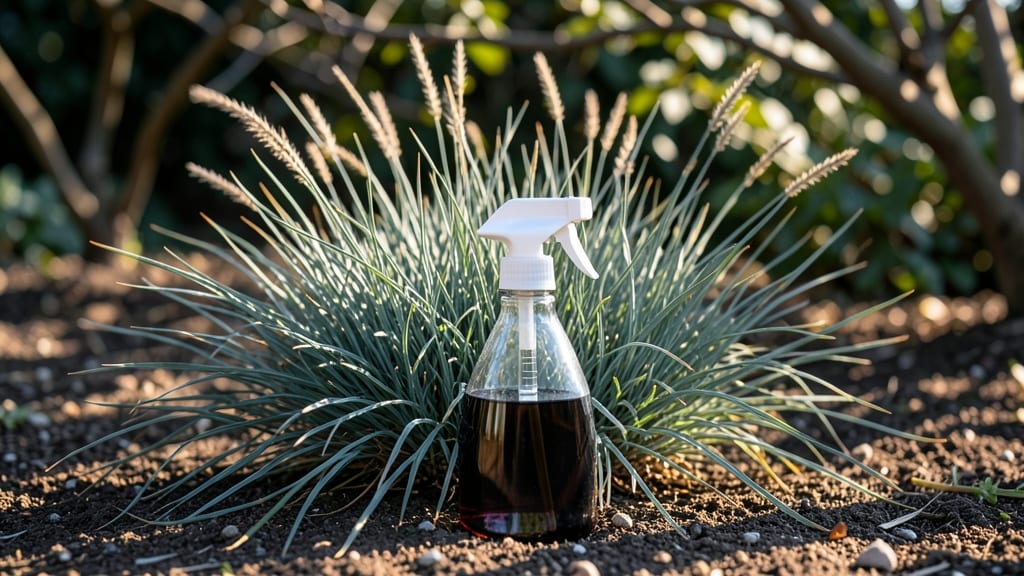
Vinegar kills crabgrass in hours—no harsh chemicals needed. 🌱 I’ve battled this stubborn weed for years, and this foolproof method finally gave me the upper hand without harming my lawn’s grass. The key is understanding how vinegar works and when to apply it for maximum impact.
You’ll need white vinegar (not apple cider), a spray bottle, dish soap (just a drop), and a sunny afternoon. The mixture is simple but powerful—think of it as a targeted herbicide that breaks down weeds at the cellular level.
Most people underestimate how fast it works, especially on young crabgrass sprouts. Within 24-48 hours, you’ll see the weeds turn brown and crispy, leaving your lawn looking cleaner and more uniform. The best part?
It’s safe for pets and kids once fully dried, though you’ll want to avoid spraying desirable plants nearby. This method works best in late spring or early summer when crabgrass is actively growing. For stubborn patches, repeat the treatment every 3-4 days until the weeds disappear completely.
Let’s tackle that weed problem for good!
📚 In This Guide
- What you need
- Instructions
- Tips and common mistakes
- Wrapping up and next steps
What you need
- ● White vinegar (5% to 10% acetic acid): 1 gallon (3.8 liters) – The star of the show! Opt for pure, undiluted vinegar for the best results.
- ● Spray bottle or garden sprayer: 16–32 oz (0.5–1 liter) capacity – Look for a pump or trigger sprayer for even coverage.
- ● Protective gloves: 1 pair – Vinegar can be harsh on skin; opt for rubber or nitrile gloves.
- ● Protective eyewear: 1 pair – Safety first! Vinegar splashes aren’t fun near your eyes.
- ○ Dish soap (optional but recommended): 1–2 tablespoons – Acts as a surfactant to help the vinegar stick to crabgrass leaves.
- ● Water: 1 gallon (3.8 liters) – For diluting the vinegar (if using a weaker solution).
- ○ Markers or flags: Optional but helpful – To mark treated areas and avoid over-spraying desirable plants.
- ● Plastic or cardboard: Place around desired plants to shield them from vinegar spray.
- ● Garden hose with nozzle: For rinsing tools or cleaning up spills.
- ● Spray shield or drop cloth: To protect nearby surfaces like patios or sidewalks.
- ● Reusable spray bottle: If you plan to reuse the mixture, a durable, leak-proof bottle is ideal.
Step-by-step instructions for eliminating crabgrass using vinegar
Vinegar's acidity burns crabgrass roots on contact—here's how to apply it effectively.
🌱 Step 1: Choose the Right Vinegar and Timing
Use undiluted white vinegar (5% acetic acid) for best results—it's strong enough to kill crabgrass without harming your lawn's grass if applied carefully. Early morning is ideal because the sun won't evaporate the vinegar too quickly. Avoid windy days—you want the spray to settle directly on the weeds.
Wait until the crabgrass is actively growing (spring through early summer) and the weather is dry. If rain is forecast within 24 hours, delay treatment—the diluted vinegar won't be strong enough to work. Look for crabgrass at its most vigorous stage: 3-6 inches tall with visible seed heads.
💧 Step 2: Prep the Area for Targeted Application
Clear any debris from the area where crabgrass is growing—rocks, leaves, or mulch will block the vinegar from reaching the roots. If you have desirable plants nearby, shield them with cardboard or a plastic barrier. Vinegar will kill anything it touches, so precision matters here.
Use a spray bottle or pump sprayer filled with undiluted vinegar—no water needed. For larger areas, a garden sprayer works better, but avoid overspray. Focus on the leaves and stems of the crabgrass, ensuring full coverage. You'll see the vinegar bead up on the leaves—this means it's making contact.
☀️ Step 3: Apply Vinegar Directly to the Crabgrass
Spray the vinegar until the crabgrass leaves are completely saturated, but avoid soaking the soil. Too much liquid will dilute the acidity and reduce effectiveness. Watch for the leaves to wilt within minutes—this confirms the vinegar is working. Reapply to any missed spots, especially where the crabgrass meets the soil.
For stubborn patches, repeat the application every 3-5 days until the crabgrass turns brown and dies completely. This usually takes 7-14 days, depending on the vinegar's strength and weather conditions. Avoid walking on treated areas until the crabgrass is fully dead—stepping on it can spread seeds or disrupt the treatment.
✂️ Step 4: Monitor and Remove Dead Weeds
Once the crabgrass turns brown and crispy (usually 1-2 weeks after treatment), pull it out by the roots using gloves. Vinegar kills the above-ground parts first, but the roots may still be alive. Digging them out prevents regrowth. Discard the weeds in the trash—not the compost, as crabgrass seeds can survive.
Keep an eye on the area for new crabgrass sprouts. If you see any, repeat the vinegar treatment immediately. For long-term control, consider preventative measures like mulching or planting dense ground covers that crowd out weeds naturally. Vinegar is best for spot treatment, not large-scale lawn care.
🌿 Step 5: Protect Your Lawn and Surroundings
Vinegar won't harm your lawn grass if applied carefully, but it can damage nearby plants, sidewalks, or driveways. Use a paintbrush or small brush to apply vinegar to cracks in concrete where crabgrass grows—it’ll kill the weeds without staining the surface. For lawn areas, spot-treat only the crabgrass and avoid overspray.
After treatment, water the lawn lightly (if needed) to help the grass recover faster. The vinegar's acidity can temporarily stress the grass, so monitor for any yellowing. If you notice damage, dilute 1 part vinegar with 3 parts water for future applications to reduce harshness while still killing weeds.
Tips & tricks for eliminating crabgrass with vinegar
Here's what nobody tells you about getting the best results with vinegar—these tricks make all the difference.
Timing is Everything: The 24-hour rain rule is critical—if you treat right before rain, the vinegar will wash away before it can work. Check the forecast and plan your treatment for a dry stretch. Early morning applications also give the vinegar time to work before the midday sun evaporates it too quickly. I always do mine between 7-9 AM for best results.
Precision Application: Focus only on the crabgrass leaves and stems—this is where the vinegar needs to make contact. Use a spray bottle for small patches and a garden sprayer for larger areas, but avoid overspray. You'll know you're doing it right when you see the vinegar bead up on the leaves. For stubborn weeds growing near desirable plants, use a small paintbrush to apply vinegar directly to the crabgrass stems.
Visual Confirmation: Watch for immediate wilting within minutes of application—this confirms the vinegar is working. If you don't see this reaction, you may have missed some spots or used too much water. For stubborn patches, repeat every 3-5 days until you see complete browning. I've found that consistent application is more important than any single treatment.
Safety First: Vinegar's acidity can damage nearby plants and surfaces. Always shield desirable plants with cardboard or plastic barriers. For concrete cracks, use a small brush to apply vinegar directly to the weeds—this prevents staining while still killing the crabgrass. After treatment, water your lawn lightly to help it recover from any temporary stress caused by the vinegar's acidity.
Pro Tips for Killing Crabgrass With Vinegar
- Here's what nobody tells you about getting the best results with vinegar—these tricks make all the difference.
- Timing is Everything: The 24-hour rain rule is critical—if you treat right before rain, the vinegar will wash away before it can work.
- Precision Application: Focus only on the crabgrass leaves and stems—this is where the vinegar needs to make contact.
Frequently asked questions
Got questions about using vinegar to kill crabgrass? You’re not alone—this natural weed killer is powerful but has some quirks. Below, we tackle the most common concerns to help you tackle crabgrass like a pro!
How long does it take for vinegar to kill crabgrass?
With the right concentration (like 20-30% acetic acid), you’ll see results in 24-48 hours—wilting, browning, and death within 3-7 days. For best results, apply on a sunny, dry day to maximize effectiveness. Patience is key!
Will vinegar kill my grass too?
Yes, vinegar is non-selective, meaning it’ll kill any green plant it touches. To protect your lawn, spot-treat crabgrass only or use a shield (like cardboard or a plastic barrier) around desirable plants. For grassy areas, consider corn gluten meal or boiling water instead.
When is the best time to apply vinegar for crabgrass?
Timing matters! Apply vinegar when crabgrass is young and actively growing—typically spring (April-May) or early fall (September-October). Avoid treating after rain or in extreme heat, as moisture can dilute the vinegar’s potency. Morning applications work best.
What should I do if vinegar stains my driveway or deck?
Vinegar can leave white, chalky stains on concrete or wood. To prevent this, avoid overspray and apply vinegar directly to the crabgrass with a spray bottle or pump sprayer. If staining occurs, scrub with soapy water or a vinegar-baking soda paste for tough spots.
Can I mix vinegar with other ingredients for better results?
Yes! A DIY vinegar weed killer often includes dish soap (1 tsp per gallon) to help the solution stick to weeds and salt (1 cup per gallon) to boost effectiveness. However, salt can harm soil over time, so use sparingly. Test on a small area first!
Wrapping up and next steps
Killing crabgrass with vinegar is a simple, budget-friendly, and eco-conscious way to reclaim your lawn without harsh chemicals. While it requires patience and precision, the results—a lush, weed-free yard—are well worth the effort. Start small, test a spot, and gradually expand your approach for the best outcomes.
Ready to tackle those pesky invaders? Grab your vinegar, spray bottle, and gloves—your lawn’s transformation begins now! 🌱 For extra tips, check out our guide on maintaining a vinegar-treated lawn.