
Lawn
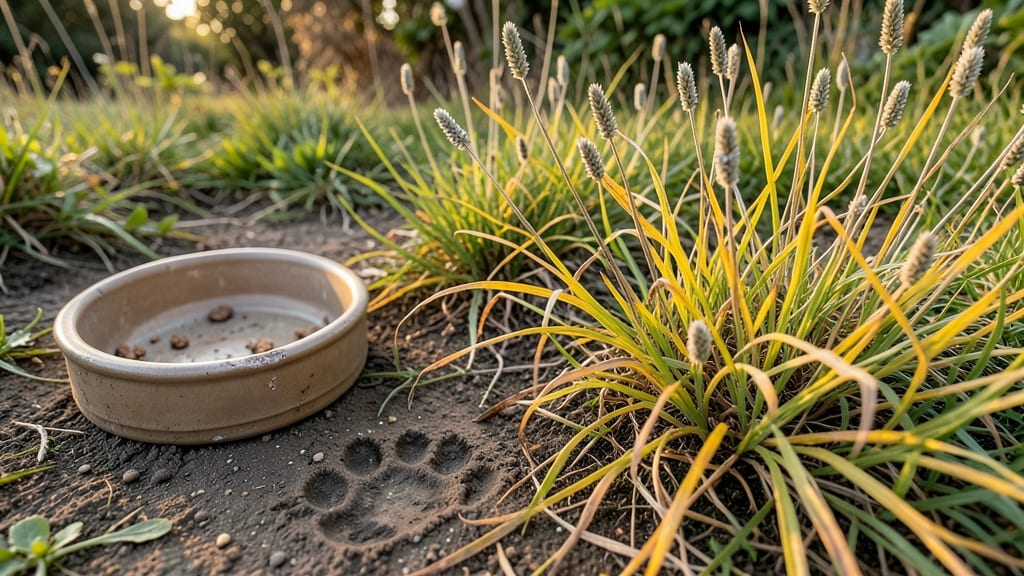
Poison grass for dogs poses serious risks, including severe skin irritation, blistering, and allergic reactions when your pet comes into contact with it. Immediate removal from your yard is essential to protect your dog, as symptoms like drooling, vomiting, and paw swelling may appear after exposure.
This invasive plant (often mistaken for ornamental grasses) contains irritating saponins that trigger allergic dermatitis in dogs, with some breeds like Labradors or Boxers showing stronger reactions due to their sensitive skin. 🐾 The plant's sharp leaf edges can also cause minor cuts, worsening the irritation.
If you suspect your dog has been exposed, rinse their fur with mild soap and water immediately, then monitor for symptoms—delaying treatment can lead to secondary infections.
For identification, look for long, narrow leaves with a reddish tint that grow in dense clumps, often appearing in late summer. Unlike harmless ornamental grasses, poison grass spreads aggressively through underground rhizomes, making it difficult to control without proper measures.
💡 In This Article
- Identifying Poison Grass and Its Toxic Effects on Dogs
- Safe Poison Grass Removal Methods for Pet-Friendly Yards
Identifying poison grass and its toxic effects on dogs
The toxic effects of poison grass (Dichanthium annulatum or Eragrostis cilianensis) stem from its sap, which contains irritating saponins—natural compounds that disrupt cell membranes in your dog's skin.
When your pup brushes against the plant, these saponins create vesicles (fluid-filled blisters) within minutes, similar to how poison ivy triggers reactions. The plant’s sharp, serrated leaf edges also cause microscopic cuts, allowing the irritants to penetrate deeper and worsen inflammation. 🔥
Dogs with short, thin coats (like Greyhounds) or sensitive skin (common in breeds like Bulldogs or Beagles) react most severely, often showing symptoms within 15-30 minutes of exposure. The immune response involves histamine release, causing redness, itching, and swelling—similar to a severe allergic reaction.
Unlike some toxins that affect internal organs, poison grass primarily targets the skin, but prolonged exposure can lead to secondary bacterial infections if the blisters pop and become open wounds.
Visually, poison grass stands out with its reddish-purple stems and long, arching leaves that grow in dense, clumping formations. Unlike harmless ornamental grasses, it spreads aggressively through underground rhizomes, making it nearly impossible to eradicate with a single mow.
The plant thrives in full sun to partial shade, often appearing in late summer when other grasses have browned. 🌱
Breed-specific reactions occur because some dogs produce higher levels of IgE antibodies (the immune proteins responsible for allergies). For example, Labrador Retrievers often develop severe paw swelling within hours, while Siberian Huskies may experience drooling and vomiting due to accidental ingestion of plant fragments.
The key difference? Labradors’ reactions are typically skin-focused, while Huskies show systemic symptoms—highlighting why immediate vet care is critical.
To confirm exposure, examine your dog’s fur for red streaks (where sap has adhered) or small, raised bumps along their legs, belly, or face. Unlike flea bites (which are clustered), poison grass reactions appear in linear patterns where the plant was touched.
If you suspect exposure, rinse the area with lukewarm water and mild, fragrance-free soap—never use alcohol or hydrogen peroxide, as these can further irritate the skin. 🐾
What most pet owners overlook is that dried poison grass remains toxic for up to 6 months after cutting. Even dead plants can trigger reactions, so removal must include deep tilling (at least 6 inches) to sever rhizomes.
For immediate relief, apply a cool compress (not ice) to blistered areas and monitor for signs of infection, like pus or foul odor—these warrant urgent veterinary care.