
Lawn
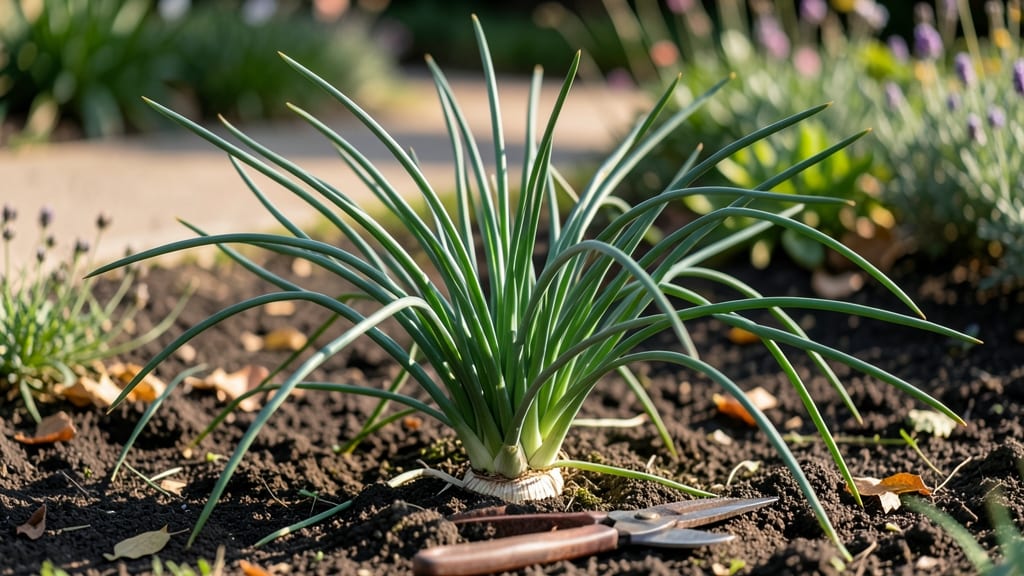
Learn how to get rid of onion grass naturally—those sneaky, onion-scented invaders lurking in your lawn—without resorting to toxic chemicals. ✨ I’ve battled these weeds for years, and the vinegar spray method is the fastest way to banish them without harsh. chemicals.
It works in hours, not weeks, and leaves your lawn looking cleaner without harming surrounding plants.
The secret lies in a simple mix of white vinegar, dish soap, and water—no fancy tools needed. You’ll need a spray bottle, gloves (to protect your hands from the acid), and a sunny day for best results.
The vinegar kills the weed by breaking down its cell structure, while the soap helps it cling to the leaves for maximum effectiveness. Just mix 1 gallon of vinegar with 1 tablespoon of dish soap and 1 tablespoon of water—that’s it.
Within 24-48 hours, you’ll see the onion grass turn brown and crispy, ready to be raked away. The best part? This method is safe for organic gardens and won’t leave behind toxic residue.
Just avoid spraying desirable plants, as vinegar isn’t selective—it kills everything it touches. For stubborn patches, repeat the process after a week to ensure no regrowth.
Prevention is key: mulch heavily around garden beds, pull weeds regularly, and consider planting clover or dense ground covers to outcompete onion grass. Once you master this technique, your lawn will stay weed-free without chemicals—just elbow grease and a spray bottle. Ready to reclaim your yard?
📚 In This Guide
- What you need
- Instructions
- Tips and common mistakes
- Wrapping up and next steps
What you need
- ● White vinegar – 5 gallons (18.9 liters) (ensure it’s 5-10% acetic acid for best results). No dilution needed!
- ● Spray bottle or garden sprayer – A 1-gallon (3.8L) handheld sprayer works best for precision. If using a larger sprayer, dilute vinegar with equal parts water (but keep it potent!).
- ● Gloves – Nitrile or rubber gloves (vinegar can irritate skin, and onion grass sap may cause rashes).
- ● Protective eyewear – Safety goggles to shield against vinegar splashes.
- ● Garden shears or hoe – For trimming or uprooting stubborn patches before spraying.
- ● Measuring cup or scale – To ensure you’re using the right vinegar concentration.
- ● Sunny day (or at least 4+ hours of sunlight) – Vinegar works best when applied before rain or direct watering.
- ● Dish soap (1 tsp per gallon) – Adds sticky residue to help vinegar cling to leaves.
- ● Salt (1 cup per gallon) – Boosts effectiveness (but avoid if you have nearby plants you want to protect).
- ○ Baking soda or cornmeal – Sprinkle around treated areas to prevent regrowth (optional follow-up).
- ● Plastic sheeting or tarp – Cover nearby plants if you’re worried about vinegar drift.
- ● Label or marker – To mark treated areas so you don’t accidentally re-treat later.
Step-by-step instructions for eliminating onion grass naturally
Here's the fast, chemical-free method I swear by—no digging, no harsh sprays, just targeted vinegar action.
🌱 Step 1: Identify and Confirm Onion Grass
Onion grass (also called wild onion or wild garlic) has long, narrow leaves with a hollow stem and a distinctive onion scent when crushed. Pull up a few plants to check the roots—you'll see small bulbs or bulblets at the base. This confirms it's onion grass, not regular grass or weeds like chickweed.
I like to work in small sections first. Grab a handful of plants and crush them between your fingers to confirm that onion smell. If it smells like onions, you're dealing with onion grass. This step is crucial because treating regular lawn grass with vinegar will kill it too, and you don't want to accidentally destroy your yard.
💧 Step 2: Prepare Your Vinegar Spray Solution
Fill a spray bottle with undiluted white vinegar—the higher the acetic acid percentage (5% or more), the better. I use a 1-gallon sprayer for larger areas and a small handheld sprayer for tight spots. Add a few drops of dish soap (about 1 teaspoon per quart) to help the vinegar stick to the leaves.
Shake the bottle gently before each use. The soap acts as a surfactant, breaking the surface tension of the vinegar so it adheres to the leaves and penetrates the plant tissue. Avoid using any other additives—they can dilute the effectiveness or harm your lawn. Test the spray on a small, hidden area first to ensure it won't stain or damage nearby plants.
☀️ Step 3: Apply Vinegar Directly to Onion Grass
Wait for a dry, sunny day—vinegar works best when the plants are dry and the sun is out. Spray the vinegar solution directly onto the leaves of the onion grass until they're thoroughly wet but not dripping. Avoid spraying nearby grass or plants, as vinegar will kill them too. I use a small paintbrush to carefully dab the solution onto any stubborn patches growing in tight spaces.
Focus on the leaves, not the soil. The vinegar needs to be absorbed by the plant to kill it. If you miss some leaves, the plant may regrow. For large patches, I spray in sections and move to the next area once the first is soaked. You'll see the leaves start to wilt within a few hours, and they'll turn brown and crispy within 24 hours. This is your signal that the treatment is working.
✂️ Step 4: Pull Up Dead Plants and Monitor for Regrowth
After 3-5 days, the onion grass should be completely dead and easy to pull up by the roots. Use a garden fork or trowel to loosen the soil if the roots are stubborn. Pulling them out ensures they won't regrow. I like to wear gloves for this step—some people's skin is sensitive to the vinegar residue.
Keep an eye on the treated area for 2-3 weeks. If any new shoots appear, repeat the vinegar spray process. Onion grass is persistent, so vigilance is key. Once the area is clear, overseed with your desired grass type or apply a layer of mulch to prevent new onion grass from taking root. This step is all about prevention—don't let those bulbs or seeds have a chance to sprout again.
🌿 Step 5: Prevent Future Onion Grass Growth
To keep onion grass from returning, maintain a healthy, dense lawn. Mow regularly to prevent seeds from maturing, and water deeply but infrequently to encourage strong root growth. I also recommend applying a natural pre-emergent herbicide like corn gluten meal in early spring to prevent weed seeds from germinating.
If onion grass keeps coming back, it might be worth considering a landscaping fabric barrier in heavily infested areas. Cover the soil with fabric, then add mulch or plants on top. This blocks light and prevents onion grass from growing back. Think of it as a long-term investment in a weed-free lawn—it takes a little effort upfront but saves you time and frustration down the road.
Tips & tricks for eliminating onion grass naturally
A few smart strategies that'll make your vinegar treatment even more effective—and save you time and frustration.
Timing is Everything: The 24-hour window after spraying is when the vinegar does its magic. You'll notice leaves starting to wilt within just a few hours, but don't pull them yet—that's when the plant is actively absorbing the vinegar. Wait until they're completely brown and crispy before removing them completely. This ensures you're getting the full effect of the acetic acid working through the plant system.
Precision Application: In Step 3, when you're spraying, focus on the leaves—not the soil. Use a small paintbrush for tight spots to avoid overspray. I've learned the hard way that even a little vinegar on your lawn grass can cause brown patches. A spray bottle with a fine mist setting gives you better control than a garden hose attachment. For stubborn patches, I like to apply the vinegar twice—once in the morning and again in the evening—for maximum absorption.
Safety First: Always wear gloves when handling vinegar and working with the plants. The acid can irritate skin, especially if you have cuts or sensitive skin. I also recommend wearing old clothes or an apron—the vinegar can leave stains. And here's a pro move: after applying, immediately rinse any vinegar that gets on your skin with water to prevent irritation. This is especially important if you're treating large areas and might get splashed.
Monitoring Matters: That 2-3 week monitoring period in Step 4 is crucial. I've seen onion grass come back stronger after just one treatment because people thought it was gone. Set a reminder on your phone to check the treated area weekly. Look for any tiny new shoots—even one missed plant can regrow into a full patch. If you catch them early, a second spray will usually take care of them before they become established.
Pro Tips for Get Rid Of Onion Grass Naturally
- A few smart strategies that'll make your vinegar treatment even more effective—and save you time and frustration.
- Timing is Everything: The 24-hour window after spraying is when the vinegar does its magic.
- Precision Application: In Step 3, when you're spraying, focus on the leaves—not the soil.
Frequently asked questions
about ridding your lawn of onion grass naturally—because we’ve got your back! Here are some of the most common queries with straightforward answers to save you time and frustration.How long does it take for vinegar to kill onion grass?
Vinegar works fast! You’ll typically see results within 24–48 hours—the grass will turn yellow or brown and eventually die back. However, for stubborn patches, repeat the treatment every 3–5 days until fully eradicated. Patience is key, but the process is quick compared to chemical alternatives.
Will vinegar harm my other plants or grass?
Yes, vinegar is non-selective, so it can damage nearby plants. To protect them, apply vinegar only to onion grass and avoid overspray. For a safer approach, use a targeted spray bottle or a homemade shield (like cardboard) around desired plants.
Can I use salt or boiling water instead of vinegar?
Both are effective alternatives. Salt: Sprinkle generously over onion grass and water it in—it dehydrates the weeds over time. Boiling water: Pour directly onto the roots for instant results. However, salt can harm soil fertility long-term, while boiling water may require more effort for large areas. Vinegar strikes a balance between speed and ease.
When is the best time of day to treat onion grass?
Choose a sunny, dry day (morning or late afternoon) to apply vinegar. This ensures the spray isn’t diluted by rain and allows the acid to work optimally. Avoid treating on windy days—overspray can damage nearby plants. Timing matters for maximum effectiveness!
What if onion grass keeps growing back?
Persistent onion grass often means the roots weren’t fully destroyed. Try these steps:
- Reapply vinegar every 3–5 days until the area is completely brown.
- Dig out remaining roots with a trowel or weeding tool to prevent regrowth.
- Reseed or mulch the area to discourage new sprouts.
Pro Tip: Test a small area first!
Before treating your entire lawn, spray a hidden or inconspicuous patch of onion grass to check for desired results. This helps you gauge the strength of your vinegar mix and adjust as needed.
Wrapping up and next steps
Getting rid of onion grass naturally doesn’t have to be a battle—with the right approach, you can reclaim your lawn in no time! 🌱 The vinegar spray method is a fast, chemical-free solution that’s tough on weeds but safe for your wallet.
Remember, consistency is key, so keep an eye on those stubborn sprouts and repeat treatments as needed.
Now that you’re armed with these effective, eco-friendly tips, grab your spray bottle and get to work! Your lawn will thank you—and so will your future self when you’re enjoying a weed-free space. Ready to take action? Start with one small section today and watch the difference! 🌟