
Lawn
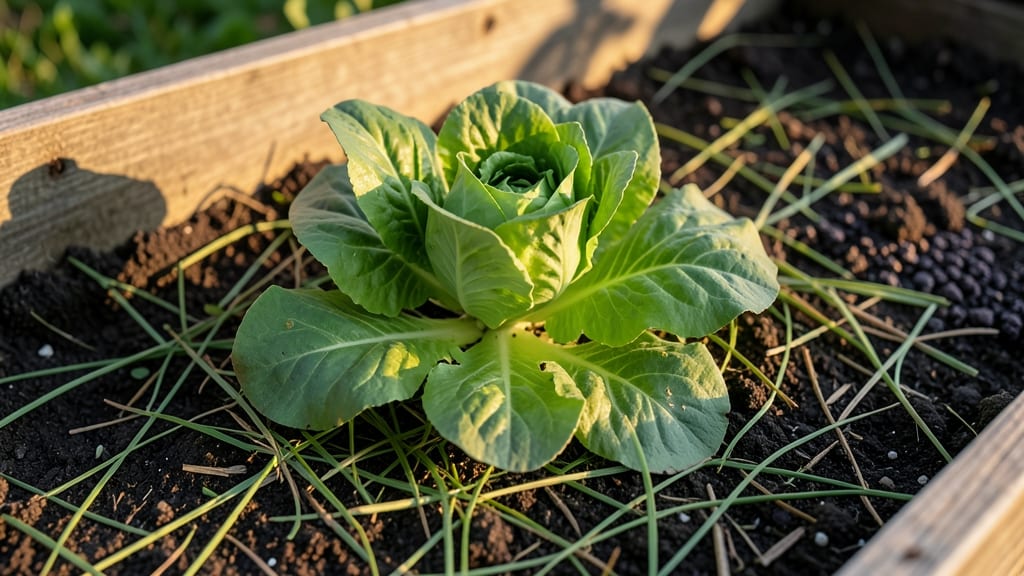
Using grass clippings in vegetable gardens enriches soil with nitrogen while adding organic matter, but they must be dried first to prevent matting and disease. Spread thinly as mulch or compost them for best results.
Grass clippings are a gardener's secret weapon for soil fertility, packed with nitrogen that feeds plants and organic matter that improves soil structure. 🌱 The key is proper drying—fresh clippings can smother plants and attract pests, while dried clippings break down slowly, releasing nutrients over time.
I've found that mixing them with other compost materials (like leaves or straw) creates the perfect balance for healthy garden beds. Just avoid piling them near root crops, as they may compete for nutrients during decomposition.
For best results, apply a thin layer (1/4 to 1/2 inch) around plants or work them into compost piles. This method not only reduces lawn waste but also gives your vegetables a nutrient boost without the risk of disease.
Think of it as nature's way of recycling—your lawn's green gold becomes your garden's green thumb!
💡 In This Article
- How Grass Clippings Boost Soil Fertility
- Safe Application Methods for Vegetable Garden Beds
How grass clippings boost soil fertility
Grass clippings are nature's nitrogen powerhouse, containing about 4% nitrogen by dry weight—far more than many other organic materials. When they decompose, this nitrogen converts into forms plants can absorb, like ammonium and nitrate. 🌱 The breakdown process also releases potassium and phosphorus, though in smaller amounts.
This nutrient cocktail improves soil fertility by feeding microbes that, in turn, create a thriving ecosystem for your vegetables. Compare this to leaves, which are mostly carbon and decompose much slower, or straw, which lacks the same nitrogen punch.
Beyond nutrients, grass clippings act like tiny soil conditioners. As they decompose, they create air pockets that improve drainage while holding moisture—ideal for vegetable roots. The organic matter also enhances soil structure by binding particles together, reducing compaction.
For example, a 1-inch layer of dried clippings can improve soil porosity by up to 30% over time, creating a looser, more workable bed. This is why gardeners often see better root development in plants grown with grass clipping mulch compared to synthetic fertilizers alone.
The decomposition process itself is a microbial party. Beneficial bacteria and fungi break down the clippings, releasing enzymes that further enrich the soil.
This activity boosts the soil's cation exchange capacity (CEC), meaning it can hold onto and supply nutrients more efficiently. 💫 Think of it like adding a probiotic to your soil—it strengthens the microbial community that keeps your garden healthy.
The key difference from other mulches is how quickly grass clippings feed this system when properly dried and applied.
However, fresh clippings can become a problem if not managed correctly. Their high moisture content creates a mat that blocks oxygen and water from reaching plant roots, while their dense texture can harbor pests like slugs.
This is why drying them first is critical—they should crumble easily between your fingers before use. When dried properly, they mimic the slow-release benefits of compost while being easier to apply.
For comparison, composted grass clippings release nutrients over 3-6 months, while fresh clippings might smother plants in just 2-3 days.
One common misconception is that grass clippings are too acidic for vegetable gardens. While fresh clippings have a pH around 6.5-7.0, their decomposition actually helps neutralize acidic soils over time. The microbial activity raises soil pH slightly, making them ideal for gardens with slightly acidic conditions.
This is why they work so well with nitrogen-loving crops like tomatoes and peppers, which thrive in 6.0-6.8 pH ranges. The organic matter also buffers against sudden pH swings caused by rain or irrigation.
For maximum benefit, mix grass clippings with carbon-rich materials like shredded leaves or straw in a 3:1 ratio. This balance speeds up decomposition while preventing nitrogen loss through volatilization.
The result is a nutrient-rich mulch that improves soil health season after season. 🌿 This approach is particularly effective in raised beds, where soil structure and fertility are critical for high-yielding vegetable production.