
Lawn
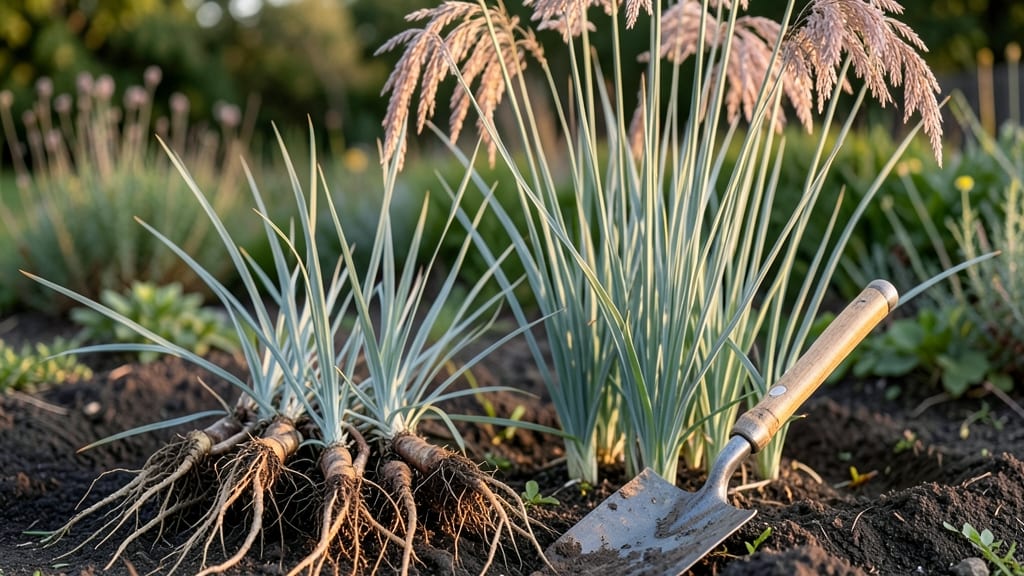
Planting wild grass transforms bare patches into a lush, low-maintenance ground cover that survives drought and frost. 🌱 I’ve planted wild grass in rocky soil where nothing else would grow—and it thrived where Kentucky bluegrass failed. The secret lies in choosing the right mix and mimicking nature’s approach.
You’ll need cold-hardy seed (like native prairie blends), a rake, and patience—no tilling required. Scatter seeds in late summer or early fall when soil is warm but rain is still frequent. Lightly rake them in just enough to cover, then let them establish naturally.
By next spring, you’ll see dense, weed-resistant growth that stays green even when lawns brown. The roots prevent erosion, and the flowers attract pollinators—no mowing, no fertilizing, just resilience. Perfect for slopes, meadows, or even under trees where grass struggles. Here’s how to make it work without the guesswork.
📚 In This Guide
- What you need
- Instructions
- Tips and common mistakes
- Wrapping up and next steps
What you need
- ● Wild grass seed mix: Choose a cold-hardy blend (e.g., Festuca rubra, Poa pratensis, or native wildflower mixes). Aim for 2–4 lbs per 100 sq ft for full coverage.
- ● Topsoil or compost: 1–2 inches spread evenly over prepared soil to enrich nutrients.
- ● Organic mulch (straw or pine needles): ¼–½ inch layer to retain moisture and protect seeds.
- ● Garden rake: For leveling soil and breaking up clumps.
- ● Broadcast spreader: Ensures even seed distribution (manual or hand-held).
- ● Garden hose with spray nozzle: For gentle watering (avoid pressure).
- ○ Soil tester kit (optional): Check pH (ideal: 6.0–7.0) before planting.
- ● Knee pads or work gloves: Comfort for hands-and-knees prep!
- ● Sunlight access: 6+ hours/day for optimal growth.
- ● Well-draining soil: Test or amend with sand if clay-heavy.
- ● Weather window: Plant in early spring or fall (avoid frost or extreme heat).
- ● Water source nearby: Wild grass needs consistent moisture for the first 4–6 weeks.
Step-by-Step instructions for planting wild grass seed
Here’s how I transform bare spots into lush, cold-resistant grass that stays green through winter.
🌱 Step 1: Prepare the Soil for Optimal Seed Contact
Start by clearing the area of debris, rocks, and weeds—wild grass thrives when competing plants are gone. I use a rake to loosen the top 2-3 inches of soil, breaking up any compacted layers. The goal is to create a soft, crumbly surface that lets seeds nestle just below the soil line.
If your soil is heavy clay, mix in 1-2 inches of compost to improve drainage and fertility. Work it in gently with a hoe or your hands—you want the soil to feel light and airy, not packed down. This step ensures seeds make direct contact with soil, which is critical for consistent germination.
💧 Step 2: Spread Seed Evenly for Uniform Growth
Measure out your wild grass seed—most packets cover 1,000-2,000 square feet, so adjust accordingly. I like to use a broadcast spreader for large areas or simply walk in a grid pattern, scattering seed by hand for smaller spaces. Keep a steady pace to avoid clumping.
Lightly rake the area again to press seeds into the soil without burying them. Wild grass seeds need light to germinate, so cover them with no more than ¼ inch of soil. You’ll see the seeds distributed evenly when the ground looks uniformly speckled with tiny specks.
☀️ Step 3: Water Gently and Maintain Moisture
Water immediately after planting with a fine mist or gentle sprinkle—aim for ¼ inch of water to moisten the soil without displacing seeds. I use a spray nozzle on my hose to avoid creating puddles, which can wash seeds away. Keep the soil consistently moist (not soggy) for the first 2-3 weeks.
After germination, reduce watering to 1 inch per week, letting the grass establish deep roots. You’ll know moisture is right when the soil feels damp 1 inch below the surface but not saturated. Overwatering here leads to fungal issues, while underwatering stunts growth.
✂️ Step 4: First Mowing and Ongoing Maintenance
Wait until the grass reaches 3-4 inches tall before the first mow—this encourages deep root growth. Set your mower to 3 inches high to maintain strength and cold tolerance. I mow in late spring when the grass is actively growing, then reduce frequency in summer to every 3-4 weeks.
In fall, leave clippings on the lawn to return nutrients to the soil. Wild grass handles cold beautifully, but a light raking in early spring removes thatch and debris. You’ll notice thicker patches after the first year—this is your reward for patience and proper care.
Tips & tricks for planting cold-hardy wild grass
Real talk: The difference between a patchy lawn and a lush, cold-resistant carpet of green often comes down to these simple but critical steps.
Soil Prep Secret: In Step 1, when loosening that top 2-3 inches of soil, don't just scratch the surface—aim to break up compaction all the way down. I use a garden fork to poke holes every 6 inches in stubborn clay areas. This creates tiny air pockets that help seeds make better contact with soil, which is especially important for wild grass that needs that direct seed-to-soil connection to germinate reliably. Think of it like making a cozy nest for your seeds.
Seed Distribution Technique: For Step 2, if you're scattering seed by hand, walk in a grid pattern with overlapping passes. I mark my starting point and walk 3 feet apart, then turn and walk perpendicular. This ensures even coverage without missing spots. A quick trick: Sprinkle a small handful of flour first to visualize where you've already seeded—it helps prevent overlaps and gaps. The goal is that uniform speckling look, not random clumps.
Watering Wisdom: During the critical 2-3 week germination period in Step 3, water in the early morning so moisture has all day to soak in. I set a timer for 10 minutes every other day with my spray nozzle, then check soil moisture by squeezing a handful—it should hold together but not drip. Overwatering here is the #1 mistake people make; it causes seeds to rot before they sprout. Consistency is key, not frequency.
Mowing Timing: In Step 4, when your grass reaches 3-4 inches, resist the urge to mow too short. That first cut is about establishing strong roots, not aesthetics. I wait until the grass has been growing actively for at least 3 weeks before that initial trim. And here's what nobody tells you—leave the clippings! They return valuable nutrients to the soil, especially important for wild grass that thrives on natural fertilization. Think of them as free compost.
Pro Tips for Planting Wild Grass
- Real talk: The difference between a patchy lawn and a lush, cold-resistant carpet of green often comes down to these simple but critical steps.
- Soil Prep Secret: In Step 1, when loosening that top 2-3 inches of soil, don't just scratch the surface—aim to break up compaction all the way down.
- Seed Distribution Technique: For Step 2, if you're scattering seed by hand, walk in a grid pattern with overlapping passes.
Frequently asked questions
Got questions about planting wild grass? You’re not alone! Here are some of the most common concerns—plus straightforward answers to help you get started with confidence.
What’s the best time of year to plant wild grass seed?
For cold-hardy varieties, early fall (4-6 weeks before your first frost) is ideal—seeds germinate in warm soil but establish roots before winter. Spring planting works too, but avoid late summer/early fall heatwaves, which dry out seeds. Check your USDA zone for precise timing!
How long does it take for wild grass to grow after planting?
Expect 7–21 days for germination, depending on moisture and temperature. Full coverage may take 3–6 weeks, but growth slows in drought or extreme heat. Thin patches? Re-seed in 4–6 weeks for denser coverage. Patience pays off—wild grass thrives once established!
Do I need to water wild grass seed daily?
Yes! Keep soil consistently moist (not soggy) for the first 2–3 weeks—water lightly 2x daily (morning/evening) if rain doesn’t cooperate. After germination, reduce to 1–2x weekly, focusing on deep roots. Overwatering can wash seeds away, so a gentle sprinkle is key.
Can I plant wild grass seed over existing grass or weeds?
Nope—clear the area first! Mow existing grass short, then kill weeds with glyphosate (follow label instructions) or smother them with cardboard/newspaper for 2 weeks. Wild grass seeds need direct soil contact to sprout; competing vegetation will steal nutrients and sunlight.
Will birds or animals eat my wild grass seed before it grows?
Spread seeds evenly and lightly (¼ lb per 100 sq ft) to reduce waste. For high-risk areas, cover seeds with a thin layer of straw (¼ inch) or use a seed blanket. Avoid heavy mulch—it blocks sunlight. If birds are persistent, try planting in the evening or after rain.
What if my wild grass turns brown or patchy after planting?
Brown spots? Likely drought stress or poor soil contact. Water deeply 2–3x/week until green returns. Patchy growth? Re-seed bare areas and check for shade (wild grass needs 6+ hours of sun) or compaction (aerate if soil feels hard). Over-fertilizing can burn new grass—wait until spring!
Wrapping up and next steps
Planting wild grass is a rewarding way to create a low-maintenance, resilient lawn that thrives year-round—even in cold climates! 🌱 By choosing the right seeds, preparing your soil, and following the steps we’ve shared, you’re well on your way to a lush, eco-friendly space that supports local wildlife and reduces water use. Don’t stop here—your green oasis is just a few weeks of care away!
🌿 Ready to Take the Next Step?
Start small with a test patch or dive in with your entire yard. Mark your calendar for follow-up watering and mowing, and soon, you’ll be enjoying a thriving wild grass lawn that’s as beautiful as it is sustainable. Happy planting!