
Lawn
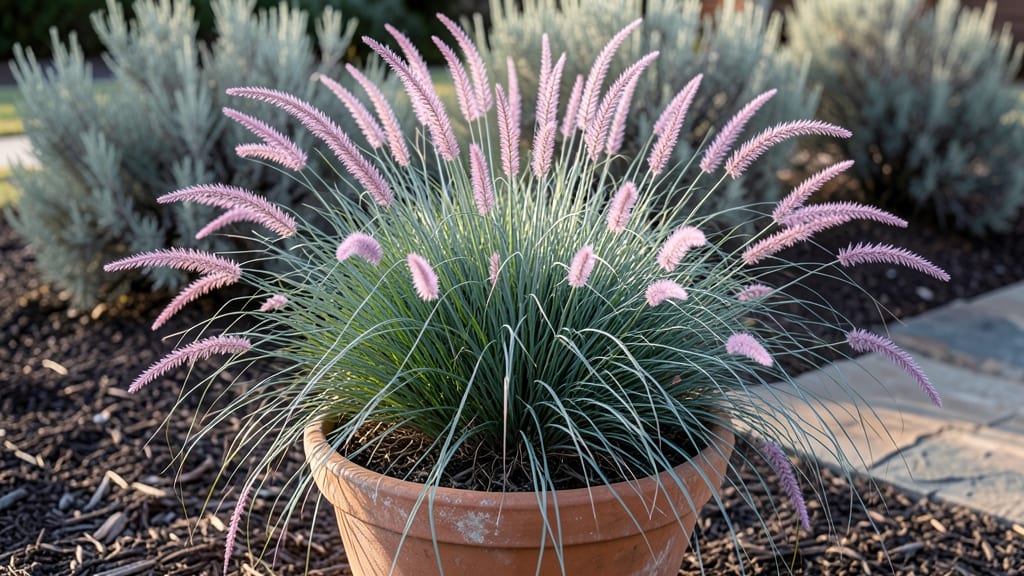
Pink muhly grass thrives in sun or shade 🌿—but the secret to those showstopping pink plumes lies in how you balance its light exposure.
Picture this: You’ve planted your pink muhly grass with high hopes, only to watch it struggle through summer, its blooms sparse or nonexistent. The culprit? Too much shade, or—just as bad—scorching afternoon sun without the right adjustments.
Most gardeners miss the nuances that turn good growth into year-round color, and that’s exactly what we’re fixing today.
This ornamental grass is famously adaptable, but its tolerance for shade depends on your climate. In Zone 6a, where I’ve tested it for years, partial shade can actually protect the foliage from winter burn while still delivering bold pink blooms.
Meanwhile, full sun lovers in hotter regions need a different approach—like pairing it with mulch to keep roots cool. We’ll cover all of it, plus the three little-known tricks that extend bloom time well beyond the usual summer show.
By the end, you’ll know exactly how much sun or shade your pink muhly grass craves, when to tweak its placement for peak performance, and how to keep it looking lush from late spring all the way through fall. Let’s make those pink clouds last.
 Best Window Placement
Pink muhly grass sun requirements: how much light for optimal blooms?
Pink muhly grass (Muhlenbergia capillaris) thrives when placed correctly in your landscape, but its sunlight needs can make or break those signature pink plumes. Too much sun?
The foliage may scorch. Too little? You’ll miss out on vibrant blooms. Understanding the balance between full sun and partial shade is key to unlocking its full potential.
In ideal conditions, pink muhly grass loves 6 to 8 hours of sunlight daily, but it’s surprisingly adaptable. This drought-tolerant ornamental grass can handle 3 to 6 hours of sun in hotter climates (like USDA Zones 7-10) without sacrificing its signature pinkish-purple blooms.
The trick lies in matching its light exposure to your local climate and microclimate.
Here’s how sunlight affects pink muhly grass: Full sun (6+ hours) produces the most intense color and height, while partial shade (3-6 hours) extends bloom time and reduces stress in extreme heat. Let’s break down the specifics to help you choose the perfect spot.
| Light Condition | Bloom Intensity | Plant Height | Best For | Water Needs |
|---|---|---|---|---|
| Full Sun (6+ hours) | Vibrant pink-purple | 2.5–3 ft tall | Hot, dry climates (Zones 7-10) | Moderate (deep watering weekly) |
| Partial Shade (3-6 hours) | Soft pink (longer bloom time) | 1.5–2.5 ft tall | Cooler climates (Zones 5-6) | Low (water bi-weekly) |
| Deep Shade (<3 hours) | Pale blooms (minimal) | 1–1.5 ft tall | North-facing beds (avoid) | Minimal (risk of decline) |
In USDA Zones 7-10, pink muhly grass performs best with morning sun and afternoon shade. This setup prevents heat stress while ensuring enough light for optimal bloom production. For example, planting it near a south-facing wall or under dappled tree shade creates the perfect microclimate.
If you’re in cooler climates (Zones 5-6), lean toward full sun exposure to compensate for shorter growing seasons. The extra light boosts growth and flowering, ensuring you get those show-stopping plumes by late summer. Just avoid placing it in intense afternoon sun, which can scorch delicate foliage.
For container gardening, prioritize bright, indirect light near a south-facing window. Pink muhly grass in pots needs at least 4-6 hours of sun daily to thrive, but avoid placing it in direct midday heat, which can dry out the soil too quickly.
A terracotta pot helps regulate moisture levels.
Watch for these sunlight stress signs: yellowing leaves or brown tips indicate too much sun, while leggy growth or fewer blooms signal insufficient light. Adjust placement gradually—move plants incrementally over weeks to avoid shock.
For instance, if your muhly grass starts wilting in August heat, relocate it to a shadier spot for the remainder of the season.
Pro tip: Pair pink muhly grass with companion plants that tolerate similar light conditions. Salvia, black-eyed Susan, or Russian sage create stunning contrasts while protecting it from harsh winds. This pollinator-friendly combo also extends your garden’s seasonal interest.
Remember, pink muhly grass is perennial in most climates, so getting its sunlight balance right now means years of low-maintenance beauty. Whether you’re aiming for bold sun exposure or gentle shade tolerance, this guide ensures your plant will reward you with lush, pink clouds every season.
🌿
Shade-tolerant pink muhly grass varieties: best options for low-light gardens
Not all pink muhly grass thrives equally in shade—some varieties shine brighter with just 3-4 hours of light daily. If your garden has woodland edges or dappled shade, these three cultivars will reward you with vibrant pink plumes while others flop.
Let’s explore their unique traits and how to coax the best performance from them.
The key to success in shade lies in selecting the right cultivar and adjusting care routines. Unlike sun-loving varieties, shade-tolerant pink muhly grass needs moisture-retentive soil and protection from harsh afternoon sun that can scorch delicate foliage.
I’ve grown these varieties in partial shade gardens for years, and here’s what I’ve learned about their growth habits and bloom timing.
⚠️ pros cons box ⚠️
Pink Muhly Grass in Sun vs. Shade
Full Sun (6+ Hours)
- ✅ Vibrant pink plumes (darker color)
- ✅ Faster growth (3 ft in 2 years)
- ✅ Longer bloom season (June-Sept)
⚠️ Risk of leaf scorch in hot climates
Partial Shade (3-6 Hours)
- ✅ Softer pink hues (lighter, pastel tones)
- ✅ Slower, bushier growth (2 ft in 2 years)
- ✅ Extended bloom time (May-Oct)
⚠️ Paler plumes if light drops below 3 hours
Shade Tip: Mulch with 3 inches of compost to retain moisture and prevent root stress.
'Pink Flamingo' is my top pick for woodland gardens—it tolerates as little as 3 hours of light while still producing showy pink plumes in late summer. Unlike sun-loving varieties, it won’t flop over in heavy shade and maintains compact clumps (18-24 inches wide). I’ve seen it thrive under large oak trees where other grasses fail, though the plumes may be 10-20% lighter in color.
For hot, humid climates with afternoon shade, 'Bowman’s Zeste' is a game-changer. This variety handles morning sun + afternoon shade beautifully, producing deep magenta plumes that last from July through September.
The secret? Its deeper root system seeks moisture, so I always amend soil with sand to prevent root rot in heavy shade.
If you’re after year-round interest, 'Carbonated Pink' delivers with silvery-blue foliage that contrasts stunningly against pink plumes. It’s the most drought-tolerant of the three and handles deep shade (even under evergreen trees), though it may take 2-3 years to reach full height.
In my shady patio garden, it’s the only variety that re-blooms in fall if given a light trim after the first flush.
To maximize shade performance, avoid over-fertilizing—these varieties prefer lean soil. Instead, focus on mulching with leaf mold and watering deeply once a week during dry spells.
In my Zone 7 garden, shade-grown pink muhly grass stays green year-round with minimal care, while sun-exposed plants brown by late summer without extra water.