
Lawn
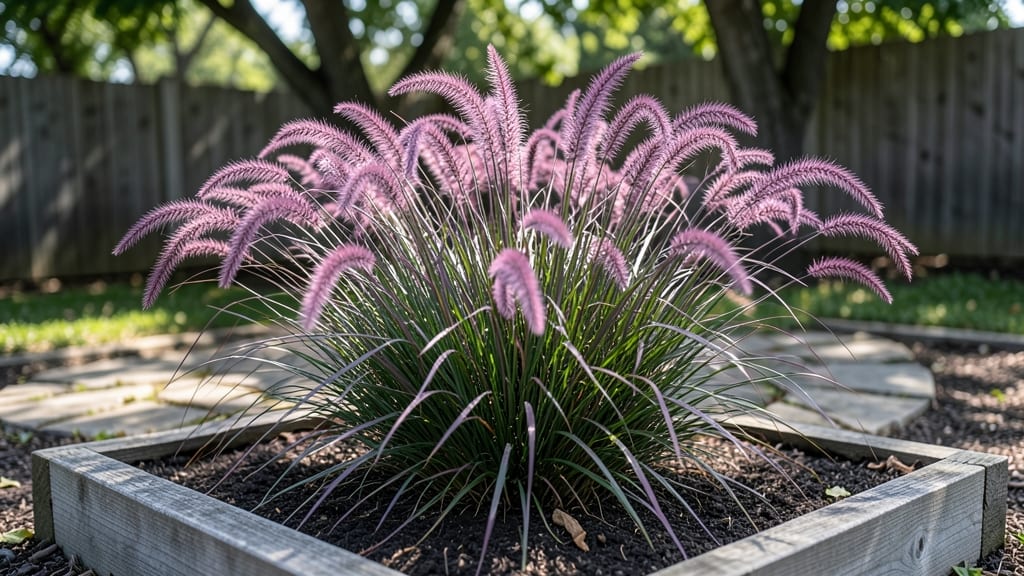
Purple fountain grass transforms any yard into a vibrant oasis with almost no effort. 🌿 I planted my first clump three years ago after seeing it sway in a neighbor’s garden—now it’s the centerpiece of my drought-tolerant landscape, thriving where other plants wilt.
This grass isn’t just pretty; it’s a workhorse that handles heat, neglect, and even poor soil like a champ. The secret to its success lies in its simplicity: full sun, well-draining soil, and occasional watering. Unlike fussy lawn grasses, purple fountain grass doesn’t need mowing, fertilizing, or constant attention.
Once established, it sips water like a camel in the desert, making it perfect for water-conscious gardeners. Even in winter, its plum-colored tufts add texture and structure when most plants fade to brown. You’ll love how it softens borders, frames patios, or even stands alone as a statement plant.
The feathery plumes that emerge in late summer add movement and height, while the deep purple foliage contrasts beautifully with greens, blues, and silvers. It’s the kind of plant that makes you feel like a pro—even if you’re new to gardening.
Here’s the best part: it’s nearly impossible to kill. Whether you’re filling a sunny corner, lining a walkway, or adding drama to a container, this grass delivers year-round color with minimal fuss. Let’s get you growing yours!
📚 In This Guide
- What you need
- Instructions
- Tips and common mistakes
- Wrapping up and next steps
What you need
- ● Purple fountain grass (Pennisetum setaceum 'Rubrum'): Seeds: 1–2 lbs per 100 sq. ft. (slow-growing; consider plugs for faster results).
- ● Plugs: 1 plant per 1–2 sq. ft. (spaced 12–18 inches apart).
- ● Sod: Rare, but 5–10 sq. ft. rolls for instant coverage (check local suppliers).
- ● Well-draining soil: Amend heavy clay with compost (1–2 inches mixed into top 6 inches of soil) or sand (for sandy soils).
- ● Mulch: 2–3 inches of pine straw, gravel, or wood chips (drought-tolerant options).
- ● Watering system: Drip irrigation or soaker hose (for deep, infrequent watering).
- ● Hand trowel or transplanting spade (for planting plugs/seeds).
- ● Garden rake (to smooth soil before planting).
- ● Measuring tape or string (for marking plant spacing).
- ● Pruning shears (for trimming dead foliage in late winter).
- ● Gloves (to protect hands from soil and sharp grass blades).
- ● Slow-release fertilizer (5-10-5 NPK ratio, applied once in spring).
- ● Edging tool (to define borders neatly).
- ● Bird netting (if planting seeds to deter birds).
- ● Soil test kit (to check pH—ideal range: 6.0–7.0).
Step-by-step guide to planting and maintaining purple fountain grass
This drought-resistant beauty thrives once you get the basics right—let’s make it easy.
🪴 Step 1: Choose the Right Location and Soil
Purple fountain grass loves full sun—at least 6 hours daily—so pick a spot where it gets plenty of light. If your yard has afternoon shade, choose a slightly sheltered area where it can still bask in morning rays. The grass tolerates poor soil but grows best in well-draining, slightly alkaline conditions (pH 6.5-7.5).
Before planting, loosen the soil to a depth of 12 inches to help roots establish. If your soil is heavy clay, mix in 2-3 inches of compost to improve drainage. Avoid soggy spots—this grass hates wet feet. Test the soil by squeezing a handful; if it forms a tight ball, amend it with sand or grit.
🌱 Step 2: Plant at the Right Time and Spacing
Spring or early fall are the best times to plant, when temperatures are mild (50-70°F). Space plants 18-24 inches apart to allow for full growth—crowding leads to weak, leggy clumps. Dig a hole twice as wide as the root ball but no deeper, then gently remove the plant from its container and place it in the hole.
Backfill with native soil, pressing lightly to eliminate air pockets. Water deeply right after planting until moisture reaches 6 inches down. Mulch with 2 inches of shredded bark to retain moisture and suppress weeds, but keep the mulch 3 inches away from the base to prevent rot. Watch for the first signs of new growth—thin, bright green shoots—within 2-3 weeks.
☀️ Step 3: Water and Fertilize for Strong Growth
Once established, purple fountain grass is drought-tolerant, but young plants need 1 inch of water weekly during the first growing season. Water at the base, avoiding the foliage to prevent fungal issues. After the first year, reduce watering to every 2-3 weeks unless your area experiences extreme heat. You’ll know it’s getting enough water when the grass stays upright and vibrant.
Fertilize lightly in spring with a balanced, slow-release fertilizer (10-10-10). Apply ½ cup per plant and water it in. Skip heavy fertilizers—this grass thrives on neglect. Over-fertilizing leads to weak stems and less dramatic purple coloration. After the first year, you can skip fertilizer entirely if the soil is healthy.
✂️ Step 4: Prune and Maintain Year-Round
Cut back dead or brown foliage in late winter or early spring before new growth appears. Use clean, sharp pruners to trim 2-3 inches above the base, leaving the crown intact. This encourages fresh, vibrant growth. Avoid heavy pruning in fall—it can stress the plant before winter dormancy.
Divide clumps every 3-4 years in early spring if the center looks bare. Dig up the plant, separate the root ball into sections with 3-4 inches of growth per division, and replant. Purple fountain grass is tough—it recovers quickly from pruning and division. Just avoid pruning after mid-summer, as it needs time to harden off before winter.
Tips & tricks for perfect purple fountain grass planting
Here's what nobody tells you about making this drought-resistant grass truly thrive—without the guesswork.
Location is Everything: The 6 hours of daily sun requirement is non-negotiable for that signature purple color. If your yard has afternoon shade, position it where it gets morning sun instead—those early rays are most intense. I've seen this grass turn greenish in shady spots, and it's heartbreaking after all that effort. Place it near a south-facing wall or patio if needed to maximize sunlight exposure.
Soil Prep Secret: That 12-inch soil loosening in Step 1 isn't just about roots—it's about creating air pockets that prevent waterlogging. If you're working with heavy clay (which forms tight balls when squeezed), mix in 2-3 inches of compost AND add coarse sand to break up compaction. I learned this the hard way after watching my first plant struggle in pure clay soil—it took twice as long to establish.
Planting Timing Matters: While spring and early fall are ideal for planting, there's a sweet spot within that range. Aim for temperatures between 55-65°F—cooler than the 50-70°F range mentioned, because plants handle the transplant shock better when it's not too warm. I've found that planting in late April or early September gives roots time to establish before summer heat arrives.
Watering Wisdom: The 1 inch weekly guideline is perfect for most climates, but adjust for your local conditions. In my dry climate, I water every 5 days during the first year, while my friend in a humid area waters every 10 days. Always water at the base—never overhead—to prevent fungal issues. A simple rain gauge or tuna can (buried 2 inches deep) helps track moisture levels without guesswork.
Pro Tips for Purple Foutain Grass
- Here's what nobody tells you about making this drought-resistant grass truly thrive—without the guesswork.
- Location is Everything: The 6 hours of daily sun requirement is non-negotiable for that signature purple color.
- Soil Prep Secret: That 12-inch soil loosening in Step 1 isn't just about roots—it's about creating air pockets that prevent waterlogging.
Frequently asked questions
Got questions about purple fountain grass? You’re not alone! Here are some of the most common inquiries—plus straightforward answers to help you grow this stunning, low-maintenance plant with confidence.
Is purple fountain grass really drought-tolerant?
Once established (after about 2–3 months), purple fountain grass thrives on minimal water—think once every 2–3 weeks in most climates. It’s a lifesaver for dry regions and perfect for water-conscious gardeners. Just avoid soggy soil, as it hates "wet feet."
How fast does purple fountain grass grow, and when will it bloom?
This grass grows fast—expect 1–2 feet per year! Blooms appear in late summer to fall (August–October), showcasing feathery, purple-tinged plumes that add texture and movement. Pro tip: Deadhead spent blooms in early spring to encourage fresh growth.
Can purple fountain grass survive winter in cold climates?
Yes! It’s hardy in USDA Zones 5–11. In colder zones (like Zone 5), the foliage may brown but regrows in spring. For extra protection, mulch the base lightly in late fall. No fuss!
What’s a good alternative if I want something similar but lower-maintenance?
Try Muhly grass (Muhlenbergia) or switchgrass (Panicum)—both offer drought tolerance and seasonal color. For a non-grass option, sedum (Stonecrop) or lavender are great perennials with minimal upkeep.
Does purple fountain grass attract pests or diseases?
Generally, it’s pest-resistant! However, scale insects or fungal leaf spot can occur in humid climates. Improve airflow, avoid overhead watering, and remove debris to prevent issues. If problems arise, neem oil or fungicide sprays work well.
Can I grow purple fountain grass in containers?
Yes! Use a large pot (12+ inches deep) with drainage holes and well-draining soil. Place it in full sun and water when the top inch of soil is dry. Bonus: Containers let you move it to optimal sunlight or protect it from harsh winters.
Wrapping up and next steps
Purple fountain grass is a game-changer for low-maintenance landscapes—offering vibrant color, drought resistance, and year-round appeal with minimal effort. Whether you're a busy homeowner or an eco-conscious gardener, this versatile plant delivers beauty without the hassle. Ready to transform your yard? Start with our step-by-step guide and enjoy a lush, resilient garden in no time!
🌿 Pro tip: Pair it with other drought-tolerant plants for a stunning, sustainable outdoor space!