
Lawn
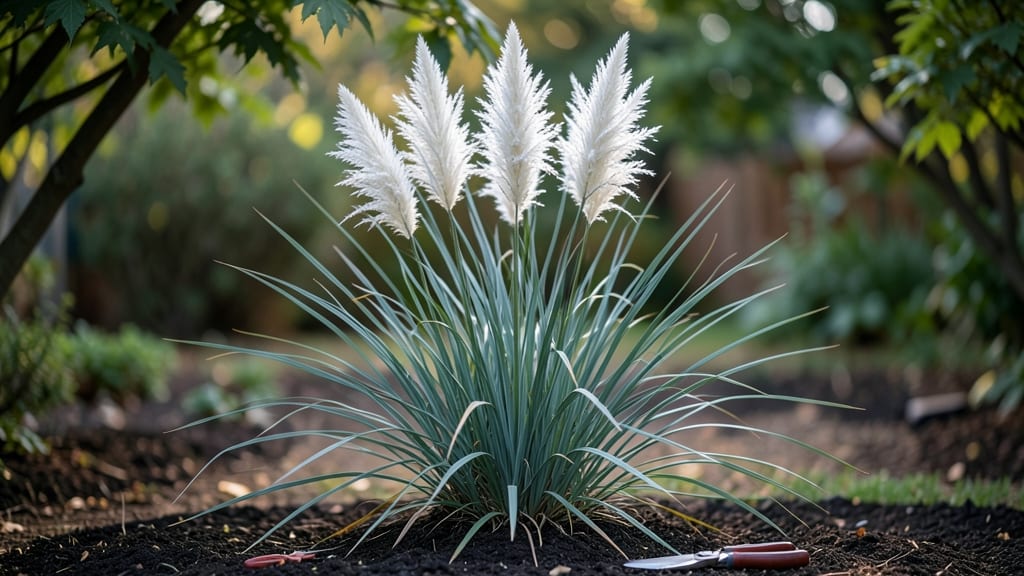
Growing pampas grass in Ohio succeeds best in USDA Zones 5-9, where it thrives with full sun exposure and well-draining soil. Plant during spring or fall, water thoroughly after transplanting, and trim dead foliage in late winter to maintain health. Adding mulch protects roots from Ohio's harsh winters and retains moisture.
Ohio's climate offers ideal conditions for pampas grass, especially in southern regions where summers are hot and winters are milder. 🌿 The key is adapting care to your specific zone—northern Ohio's colder winters may require extra mulching, while southern areas benefit from consistent moisture during dry spells.
This ornamental grass handles Ohio's humidity well but struggles in waterlogged soil, making drainage a priority during spring rains.
Beyond basic care, Ohio gardeners often use pampas grass as a dramatic border plant or windbreak. Its drought tolerance makes it perfect for low-maintenance landscapes, though it can spread aggressively in ideal conditions.
I recommend planting in well-defined areas if you want to control its growth while still enjoying its striking plumes.
💡 In This Article
- Ohio’s Best Planting Zones for Pampas Grass
- Step-by-Step Pampas Grass Care for Ohio Gardens
Ohio’s best planting Zones for pampas grass
Ohio spans USDA Zones 5-9, but pampas grass (Cortaderia selloana) thrives particularly well in Zones 7-9, where winters are milder and frost-free periods extend longer.
Northern Ohio (Zones 5-6) experiences harsher winters with average lows of -10°F to 0°F, which can stress young plants. The grass's native South American roots make it sensitive to prolonged freezing, though mature specimens often survive with proper protection.
Microclimates play a crucial role in Ohio. Urban areas like Columbus and Cincinnati (Zone 6b-7a) benefit from heat island effects, creating slightly warmer microclimates that extend the growing season.
In contrast, rural areas in Zone 5b (like parts of Northeast Ohio) face earlier frost dates (October 15-November 1) and later spring thaw (April 15-May 1), requiring earlier planting and extra winter protection.
The grass's cold tolerance improves with age, but young plants need winter mulching with 4-6 inches of straw to prevent root heaving.
Here's how Ohio's frost dates impact planting: In Zone 7, the last frost typically occurs around April 15, giving you a 210-day growing season. In Zone 5, that window shrinks to 150 days with first frost arriving by October 10.
This means gardeners in northern Ohio should plant 3-4 weeks earlier than southern counterparts to establish roots before winter. The grass's deep taproot system (reaching 3-5 feet) helps it access moisture during Ohio's hot, humid summers, but this makes transplanting challenging after June 1.
Ohio's humidity presents another consideration. The state's average 70-80% relative humidity during summer can promote fungal diseases like Rhizoctonia, which attacks young pampas grass. To combat this, space plants 4-6 feet apart for airflow and avoid overhead watering.
In Zone 5, where winters are more severe, gardeners often use burlap wraps around the crown during extreme cold snaps (below -15°F) to prevent desiccation. The grass's ornamental value—those dramatic 3-5 foot plumes—makes these precautions worthwhile for year-round interest.
Consider these zone-specific adjustments:
- Zone 5-6: Plant in late spring (May 15-June 1) with extra mulch (6+ inches) and winter protection. Choose dwarf varieties like 'Pumila' (3-4 feet tall) for better cold tolerance.
- Zone 7-8: Plant in early spring (April 1-May 15) or fall (September 1-October 15). Standard varieties reach 8-12 feet tall, perfect for dramatic borders.
- Zone 9: Plant year-round except winter. Use well-draining soil mixes to prevent root rot from Ohio's heavy clay soils in southern regions.
The grass's drought tolerance makes it ideal for Ohio's 30-40 inches of annual rainfall, but proper drainage is critical. In areas with clay-heavy soil (common in central Ohio), amend with sand or compost to improve drainage.
The plumes' silvery-white color provides visual contrast against Ohio's green lawns, while the leathery texture of the leaves adds texture to landscapes. 🌿