
Lawn
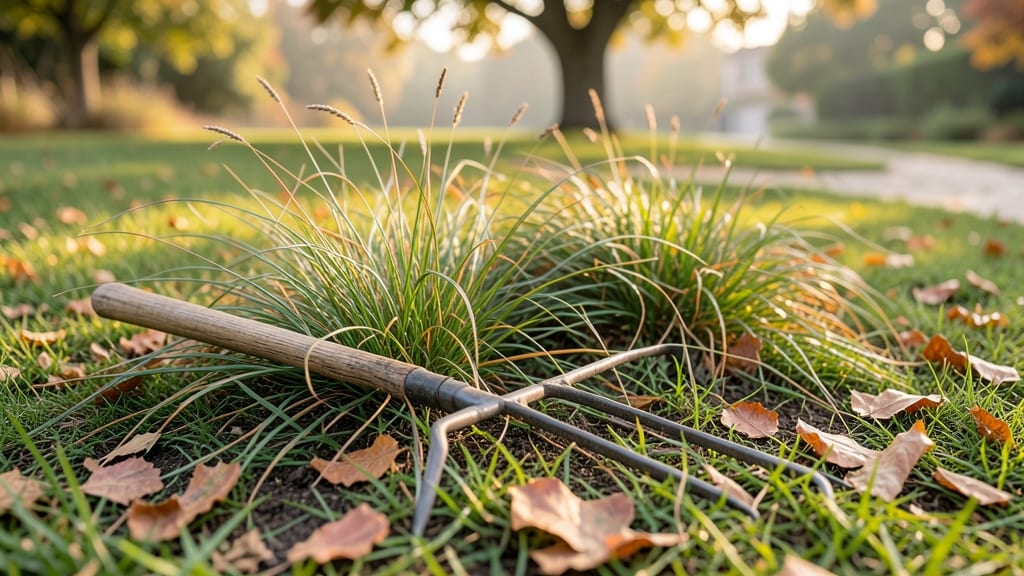
The secret to thriving grass during fall lies in picking the right varieties—because the wrong grass turns brown by November, and I’ve watched my neighbor’s lawn go from vibrant green to sad straw while mine stays lush through winter. to selecting cold-resistant types like tall fescue or fine fescue that thrive when temperatures drop.
The secret isn’t just the seed—it’s timing. Overseed in early October when soil temps hit 55–60°F, and fertilize with a fall blend (high in potassium) to strengthen roots before dormancy.
Skip late-season nitrogen—it encourages weak growth that won’t survive frost. Most people mess this up by waiting too long or overdoing the fertilizer.
By December, you’ll have a lawn that stays 70% green through winter, resists snow mold, and bounces back faster in spring. The grass won’t just survive—it’ll outperform neighbors who let theirs go dormant too early. Even in Zone 5, this method works if you adjust for first frost dates.
Regional tweaks matter: Southern gardeners can overseed into late October, while Northern zones should finish by mid-September. The key is matching your grass type to your last frost date—no guesswork, just science. Let’s get your lawn winter-ready the right way.
📚 In This Guide
- What you need
- Instructions
- Tips and common mistakes
- Wrapping up and next steps
What you need
- ● Cold-resistant grass seed: Choose a fall-hardy variety like Tall Fescue, Fine Fescue, or Kentucky Bluegrass (10–20 lbs per 500 sq. ft., depending on coverage needs).
- ● Lawn soil test kit: Ensures your soil’s pH and nutrient levels are optimal for fall planting.
- ● Topsoil or compost: 1–2 inches per sq. ft. to improve drainage and fertility.
- ○ Lawn roller (optional but helpful): 100–150 lbs weight to compact soil and ensure seed-to-soil contact.
- ● Broadcast or drop spreader: For even seed distribution (calibrated to your seed type).
- ● Rake (bow or leaf rake): To level soil and cover seeds lightly (¼ inch deep).
- ● Water source (hose or sprinkler): With a fine mist nozzle for gentle watering.
- ● Fertilizer (slow-release, fall-specific): Look for a 16-4-8 or 20-5-10 NPK ratio (apply ½ lb per 100 sq. ft.).
- ○ Mulch or straw (optional but recommended): Light layer (¼ inch) to retain moisture and protect seeds.
- ● Lawn aerator: Core aeration (2–3 inches deep) every 1–2 years boosts root growth.
- ● Soil conditioner (e.g., gypsum or lime): Adjusts pH if needed (test results guide dosage).
- ● Weed barrier fabric: For new lawns in areas prone to weeds (lay before seeding).
- ● Seed germination blanket: Lightweight fabric to protect seeds from birds and heavy rain.
- ● Lawn thermometer: Monitors soil temp (ideal for fall seeding: 60–75°F).
How to select and maintain cold-resistant grass varieties for fall beauty
Fall’s crisp air transforms lawns into vibrant canvases—here’s how to choose and care for grasses that defy winter’s chill.
Choose Grass Varieties with Proven Cold Tolerance
Look for cool-season grasses like tall fescue, fine fescue, or Kentucky bluegrass, which thrive in temperatures down to 10°F without browning. These varieties develop deeper root systems in fall, storing energy for spring. Avoid warm-season grasses like Bermuda or Zoysia—they turn dormant and lose their lush appearance by early October.
Check your USDA hardiness zone to confirm suitability. For zones 4-6, fine fescue is ideal; zones 7-9 favor tall fescue. Seed packets or sod tags will list the variety’s cold tolerance range—prioritize those labeled "all-season" or "wintergreen."
Prepare Soil for Fall Planting or Overseeding
Test soil pH before planting—ideal levels for cool-season grasses are 6.0–7.0. If your soil is too acidic, apply lime (following package rates) 4–6 weeks before seeding. For new lawns, till the top 4 inches of soil to loosen compacted layers, then level the surface with a rake.
If overseeding an existing lawn, mow the grass short (1–1.5 inches) and remove thatch by raking or dethatching. This opens gaps for new seeds to establish. Water the area deeply the day before planting to ensure moisture reaches 3–4 inches down—critical for seed-to-soil contact.
Plant or Overseed at the Optimal Fall Window
Time planting for 4–6 weeks before your first hard frost—typically mid-September to early October in most regions. This allows 6–8 weeks of warm soil and cool air, perfect for root development. Spread ½ pound of seed per 100 square feet evenly using a broadcast spreader or by hand.
Lightly rake seeds into the soil’s surface—¼ inch deep is ideal. Press them into the soil with a lawn roller or your feet to ensure firm contact. Water immediately after planting to activate germination, then keep the soil consistently moist (not soggy) for the next 2–3 weeks. You’ll see sprouts in 7–14 days if conditions are right.
Adjust Mowing and Fertilizing for Fall Resilience
Reduce mowing frequency as temperatures drop—grass grows slower in fall, so aim for 3–4 inches height to protect roots. Never remove more than ⅓ of the blade height in a single mow. Sharpen your mower blade first; a dull blade tears grass, inviting disease.
Apply a slow-release, high-nitrogen fertilizer (like 24-0-6) in early fall to encourage root growth. Avoid fertilizers high in phosphorus or potassium—they promote top growth at the expense of cold hardiness. Water deeply after fertilizing to help nutrients penetrate the soil.
Protect and Monitor Through Winter
Leave grass taller (3–4 inches) heading into winter—this insulates roots from freezing temperatures. In snowy regions, shovel snow off lawns no more than once per season to prevent smothering. If ice forms, use a plastic snow rake to avoid damaging blades.
Watch for brown patches in spring—they may indicate fungal disease (like snow mold) or compaction. Aerate compacted areas in early spring to improve airflow and drainage. Most cold-resistant grasses will green up within 2–3 weeks of consistent warmth and moisture.
Tips & tricks for perfect fall grass installation
These pro insights will help you avoid common pitfalls and achieve a lawn that stays vibrant through winter's chill.
Variety Selection: When choosing between tall fescue, fine fescue, or Kentucky bluegrass, consider your specific hardiness zone and lawn traffic needs. Tall fescue handles foot traffic better, while fine fescue offers the deepest green color and thrives in zones 4-6. For shady areas, fine fescue is your best bet—it tolerates low light conditions where other varieties struggle. The 10°F cold tolerance rating is non-negotiable for winter survival.
Soil Preparation Strategy: Don't rush the soil testing phase—ideal pH of 6.0-7.0 is critical for nutrient uptake. If you're working with clay soil, consider adding compost during the tilling process in Step 2. This improves drainage while maintaining moisture retention, which is especially important during the critical 2-3 week germination window after planting. The 4-inch tilling depth ensures roots can establish properly before winter sets in.
Planting Timing: The 4-6 week window before your first hard frost is your golden opportunity for successful establishment. For most regions, this means aiming for mid-September planting. If you're in a warmer zone where frost comes later, you might extend this to early October. Pay special attention to the 6-8 week growth period—this is when roots develop the energy reserves needed to survive winter dormancy.
Winter Care: That 3-4 inch height recommendation in Step 5 isn't just about looks—it's a critical insulation layer for your grass's crown and roots. In snowy climates, limit snow removal to once per season to prevent damaging the grass blades. For ice buildup, always use a plastic rake rather than metal tools that can tear the grass tissue.
Pro Tips for Grass During Fall
- These pro insights will help you avoid common pitfalls and achieve a lawn that stays vibrant through winter's chill.
- Variety Selection: When choosing between tall fescue, fine fescue, or Kentucky bluegrass, consider your specific hardiness zone and lawn traffic needs.
- Soil Preparation Strategy: Don't rush the soil testing phase—ideal pH of 6.0-7.0 is critical for nutrient uptake.
Frequently asked questions
What are the best cold-resistant grass types for fall?
For fall, opt for cool-season grasses like tall fescue, Kentucky bluegrass, or perennial ryegrass. These varieties thrive in cooler temps and stay green longer. Warm-season grasses (e.g., Bermuda or Zoysia) may turn brown—so transition to a cold-hardy blend if you want year-round greenery.
When should I overseed my lawn in fall?
Late summer to early fall (typically August–September) is ideal for overseeding. Cool temps and increased rainfall help new grass establish roots before winter. Avoid seeding too early (heat stress) or too late (limited growth time).
How often should I water grass in fall?
Water deeply 1–2 times per week (about 1 inch total) to encourage root growth. Reduce frequency as temps drop, but avoid letting soil dry out completely. Early mornings are best to prevent fungal issues. Pro tip: Check moisture 2–3 inches down—if dry, water again!
Will my grass turn brown in fall even with cold-resistant varieties?
Brown patches can still happen due to drought, frost, or disease. If your grass is dormant (not dead), it’ll green up when temps rise. For persistent browning, test soil pH (ideal: 6.0–7.0) or apply a light fertilizer in early fall. Warning: Avoid fertilizing late in the season—it can encourage weak growth before winter.
Are there alternatives to grass for a low-maintenance fall yard?
Yes! Consider clover, moss, or ground covers like creeping thyme or sedum. These require less water, stay green in cool weather, and attract pollinators. For a mix, try a sun-tolerant ground cover paired with ornamental grasses (e.g., fountain grass) for texture.
Wrapping up and next steps
Fall is the perfect time to transform your lawn into a year-round green oasis—without sacrificing beauty or effort! By choosing cold-resistant grass varieties like Tall Fescue or Fine Fescue, you’re investing in a resilient, low-maintenance lawn that thrives even as temperatures drop. 🌿 Whether you’re tackling a new lawn or upgrading an existing one, now’s the time to act—your future self (and your neighbors!) will thank you.
Ready to take the next step? Start by testing your soil (a simple DIY kit does the trick!) and reach out to your local nursery for tailored recommendations.
With the right grass and a little prep, you’ll be sipping coffee on your cozy porch, admiring a lush lawn long after the leaves have fallen. Let’s make this your greenest season yet! 🌱