
How To
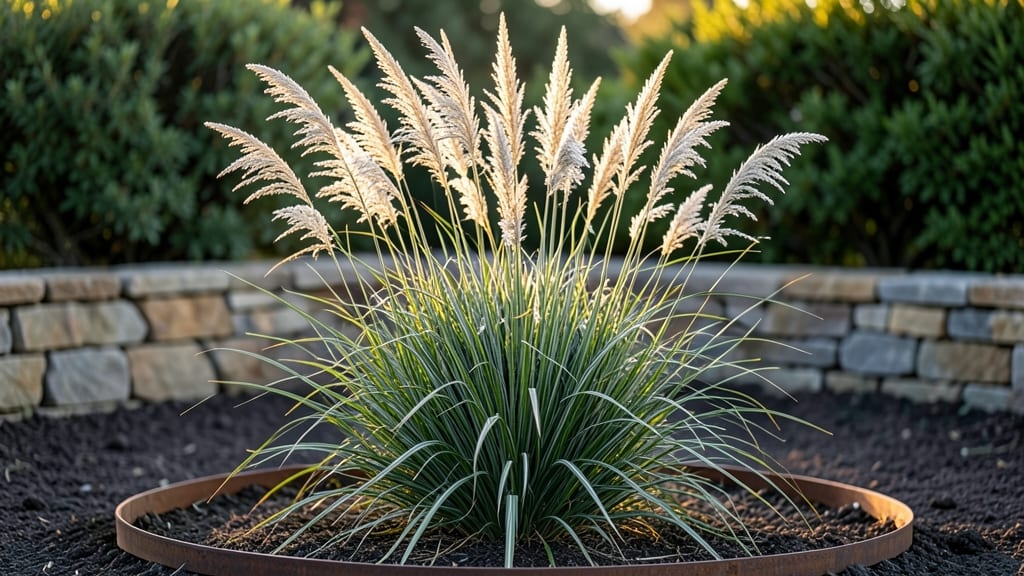
Elephant grass can grow up to 12 feet tall—and in ideal conditions, even taller—making it a dramatic choice for privacy screens or bold landscaping.
If you're considering elephant grass for privacy screens, erosion control, or ornamental landscaping, knowing its towering potential is crucial—this fast-growing giant can reach heights that will surprise even seasoned gardeners.
In USDA Zone 6a, where spring planting is ideal, expect 3 to 5 feet of growth in the first year, with mature plants eventually soaring between 10 and 20 feet depending on soil quality and sunlight.
Below, I’ll break down how climate, spacing, and pruning affect its height—so you can plan for the fastest, most efficient way to grow it without it taking over your garden.


Elephant grass height: how tall it grows under ideal conditions
If you're dreaming of a dramatic vertical statement in your landscape, elephant grass (Miscanthus giganteus) delivers with its impressive height. Under perfect conditions, this ornamental grass can soar to 10-20 feet tall, making it one of the tallest grasses commonly grown in gardens.
Its towering presence isn't just for show—it's perfect for creating natural privacy screens, stabilizing slopes, or adding tropical flair to large landscapes.
But how tall does elephant grass actually grow in your backyard? The answer depends on several factors, including your USDA hardiness zone, soil quality, and how much sunlight your plants receive.
While some varieties might max out at 6-12 feet in cooler climates, others can easily exceed 15 feet in warm, sunny regions with rich soil. Let's break down what influences this giant's growth potential.
| Factor | Impact on Height | Ideal Conditions |
|---|---|---|
| Mature Height Range | 6-20 feet | Full sun, rich soil, warm climate |
| First Year Growth | 3-5 feet | Well-draining soil, consistent moisture |
| Annual Growth Rate | 3-6 feet per year | 6+ hours sunlight daily, fertile soil |
| Climate Influence | Taller in warm zones (8-11) | USDA zones 5-9 with winter mulch |
| Soil Type | Up to 50% taller in loamy soil | Well-draining, slightly acidic (pH 6.0-7.0) |
| Sunlight Needs | Max height with 6+ hours sun | Full sun exposure (6+ hours daily) |
One common misconception is that all elephant grass varieties reach the same height. In reality, Miscanthus giganteus typically grows taller than its cousins like Miscanthus sinensis or Miscanthus sacchariflorus, which usually max out around 6-10 feet.
The giant variety can even surpass 15 feet in ideal conditions, while dwarf varieties (like 'Malepartus') might only reach 3-5 feet. This makes variety selection crucial if you're planning for specific height goals.
Your local climate plays a surprisingly large role in determining how tall your elephant grass will grow. In warmer climates (zones 8-11), plants often reach their maximum potential height of 15-20 feet because they enjoy longer growing seasons.
Meanwhile, in cooler zones (5-7), you might see more modest heights of 6-12 feet unless you provide winter protection like thick mulch or microclimates near south-facing walls.
Don't underestimate the power of soil quality either. Elephant grass thrives in well-draining, fertile soil with a slightly acidic pH (6.0-7.0). Amending your soil with compost before planting can boost growth by up to 50% compared to poor native soil.
I've seen dramatic differences in height between plants grown in amended garden beds versus those in native clay—sometimes 3-4 feet difference in just one growing season!
For those using elephant grass as a privacy screen, proper spacing is essential. Plant clumps 4-6 feet apart to allow for their mature width (typically 3-5 feet per clump). If you're aiming for a 10-foot-tall screen, you'll need about 3-4 years of growth from planting, assuming ideal conditions.
Patience pays off—these grasses grow faster than many trees but take a few seasons to reach their full height potential.
Comparing elephant grass to other tall ornamental grasses reveals its unique advantages. While pampas grass (Cortaderia selloana) can reach similar heights (10-15 feet), it has a more aggressive spread and less cold hardiness. Maiden grass (Miscanthus sinensis) typically stays shorter (4-8 feet) but offers more color variations.
Elephant grass stands out for its architectural form, winter interest, and rapid growth, making it my top choice for dramatic vertical accents in landscapes.
Remember that even under ideal conditions, elephant grass won't grow to its maximum height overnight. Most of the vertical growth occurs in the second and third years after planting.
First-year plants usually only reach 3-5 feet tall, but they establish strong root systems that fuel rapid growth in subsequent seasons. This gradual progression is one reason why many gardeners prefer it over faster-growing but less hardy alternatives.
If you're planning to incorporate elephant grass into your landscape, consider its mature size early in the design process. Its towering presence works beautifully as a focal point, windbreak, or wildlife habitat creator.
Just be prepared for its impressive scale—once established, it's not a plant you'll want to move! With proper care, your elephant grass could become the centerpiece of your garden's vertical landscape.
How fast does elephant grass grow: height progression by season
Elephant grass (Miscanthus giganteus) is one of nature's fastest vertical climbers, with its growth rate accelerating dramatically after the first year. Understanding its seasonal growth patterns helps you plan for privacy screens, erosion control, or ornamental landscapes.
In spring, you'll see the most explosive growth, while fall brings a graceful slowdown as the plant prepares for dormancy.
For gardeners in USDA Zone 6a or warmer, the first year is all about establishing roots. Your 1-year-old plant will reach 3-5 feet tall by late summer, but it's still finding its footing.
By year two, that same plant can double in height, shooting up to 8-12 feet—that's taller than most basketball hoops!
- 🌱 Year 1: 3-5 ft (root establishment phase)
- 🌱 Year 2: 8-12 ft (explosive vertical growth)
- 🌱 Year 3+: 12-20 ft (mature height achieved)
- 🌱 Spring: Fastest growth (3-6 ft per season)
- 🌱 Summer: Steady growth (1-2 ft per month)
- 🌱 Fall: Slowdown (prepares for dormancy)
- 🌱 5-year plant: 18-20 ft (full ornamental potential)
Spring is when elephant grass truly flexes its muscles. With 6+ hours of sunlight daily, your plant can add 3-6 feet of height during the growing season alone.
The key is consistent moisture—deep watering 2-3 times per week during these rapid growth spurts ensures those towering stems stay strong and upright.
By late summer, growth begins to slow as the plant shifts energy toward seed production. This is your cue to prune back dead foliage while leaving the architectural stems intact for winter interest.
A 5-year-old specimen will typically reach its maximum height of 18-20 feet, making it an excellent choice for privacy screens or windbreaks.
For aggressive spread control, install underground barriers (like buried landscape fabric) at planting. This prevents those rhizomatous roots from creeping beyond your intended planting area while still allowing your grass to reach its full vertical potential.
In humid climates, you may see even more dramatic growth—up to 20 feet in ideal conditions.
Remember that soil quality plays a crucial role. Amend your planting area with compost before installation to ensure proper drainage, as waterlogged roots can stunt growth. With the right conditions, your elephant grass will become the tallest ornamental grass in your neighborhood—literally reaching for the sky! 🌿