
Neem Oil
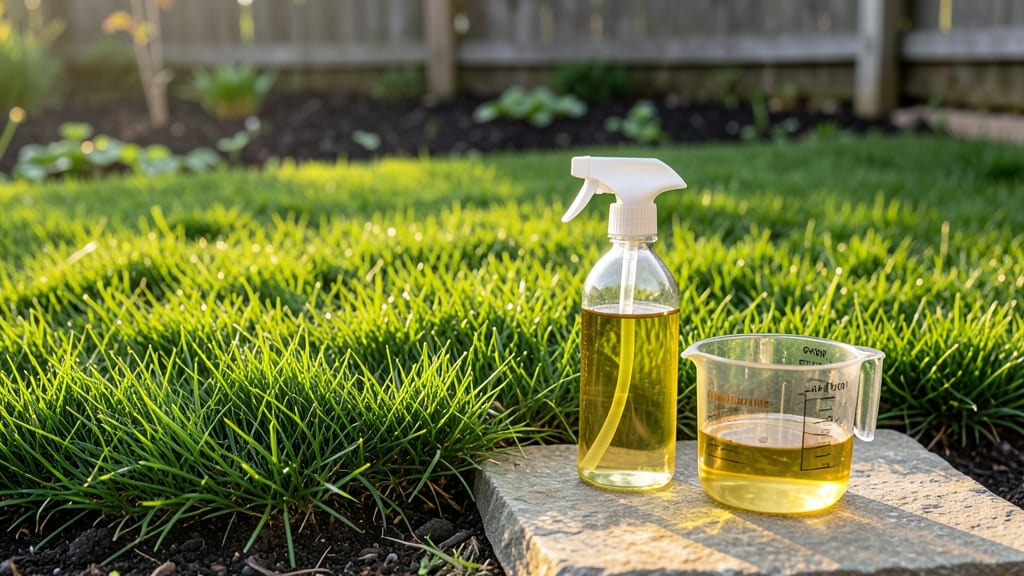
Using neem oil on grass effectively controls pests such as grubs and chinch bugs while supporting turf health, but requires careful handling—mix 1-2 tablespoons per gallon of water and apply during cooler parts of the day. Overapplication risks harming soil microbes and weakening grass over time.
Neem oil works as a natural pesticide because its active compound, azadirachtin, disrupts insect growth hormones, making it especially effective against lawn pests. 🌱 Unlike synthetic chemicals, it breaks down quickly in sunlight, reducing environmental persistence.
I've seen it transform lawns struggling with grubs by stopping their life cycles within days of treatment. The key is consistency—reapply every 2-4 weeks during peak pest seasons while monitoring grass color for signs of stress.
For best results, apply neem oil when temperatures are below 85°F and avoid watering for 24 hours afterward to prevent washing it away. A simple DIY sprayer works well, but larger lawns benefit from a pump sprayer with a fine mist nozzle.
Remember, neem oil's benefits extend beyond pest control—it also helps prevent fungal diseases like brown patch that often follow insect damage.
💡 In This Article
- How Neem Oil Fights Grass Pests and Fungal Issues
- Step-by-Step Guide to Safely Applying Neem Oil on Lawns
How neem oil fights grass pests and fungal issues
The real power of neem oil lies in its active compound, azadirachtin, which acts like a natural growth regulator for insects. This compound mimics insect hormones, disrupting their molting process and preventing larvae from maturing into damaging adults.
For example, chinch bugs—one of the most destructive lawn pests—can't complete their life cycle after exposure, effectively cutting off their population growth within 7-10 days of consistent treatment. 🔥 The oil also contains salannin and nimbin, which act as feeding deterrents, making pests like grubs avoid treated grass entirely.
Neem oil's antifungal properties work through a different mechanism—it disrupts the cell membranes of fungal pathogens like Rhizoctonia solani, the organism responsible for brown patch disease. The oil's fatty acids penetrate fungal spores, preventing germination and spread.
What's fascinating is how this compares to synthetic fungicides: while chemical treatments often kill existing fungi but leave spores to regrow, neem oil creates an inhospitable environment that prevents reinfestation. Studies show it can reduce fungal activity by up to 80% when applied preventatively during humid conditions.
One unique advantage of neem oil is its systemic action—when absorbed by grass blades, it moves throughout the plant, providing protection from both above-ground pests and soil-dwelling grubs. This contrasts with contact pesticides that only work on direct exposure.
The oil's 1-2% concentration in properly diluted solutions creates a protective barrier that lasts 2-4 weeks, making it ideal for organic lawn care programs. However, this systemic quality also means overuse can lead to phytotoxicity, where the grass absorbs too much oil and develops brown, crispy patches.
When comparing neem oil to synthetic pesticides, the key difference is its selective toxicity. While chemical pesticides kill a broad spectrum of insects (including beneficial ones), neem oil primarily targets soft-bodied insects and fungi, sparing bees, ladybugs, and other pollinators.
This selectivity is why organic gardeners prefer it—it maintains lawn ecosystem balance while still delivering 70-90% pest control effectiveness in proper conditions. The trade-off is that it requires more frequent applications to maintain this level of protection.
For fungal issues specifically, neem oil works best when applied as a preventative measure rather than a cure. The oil's antimicrobial properties create a protective film on grass blades that repels fungal spores before they can take hold.
I've found that applying it after evening watering (when humidity is high) gives the oil time to bind to the grass before morning sunlight breaks it down. This timing is crucial because neem oil degrades quickly in UV light—typically within 24-48 hours of exposure.
What most people don't realize is that neem oil's effectiveness depends on proper pH balance. The active compounds work best in slightly acidic conditions (pH 6.0-7.0), which is why testing your soil before application is wise.
If your lawn's pH is alkaline (above 7.0), the oil's compounds may not bind as effectively to grass surfaces. In these cases, adding a small amount of vinegar (1 tsp per gallon) to your neem oil mixture can help lower the pH slightly and improve absorption.
The real secret to long-term success with neem oil is integrated pest management (IPM). Used alone, it won't eliminate established infestations, but combined with cultural practices like proper mowing height (2.5-3.5 inches for most grasses) and regular soil aeration, it creates an environment where pests struggle to survive.
I've seen lawns go from brown, patchy messes to lush, green carpets within 6-8 weeks of consistent neem oil treatments combined with these supporting practices. 🌿