
Pests
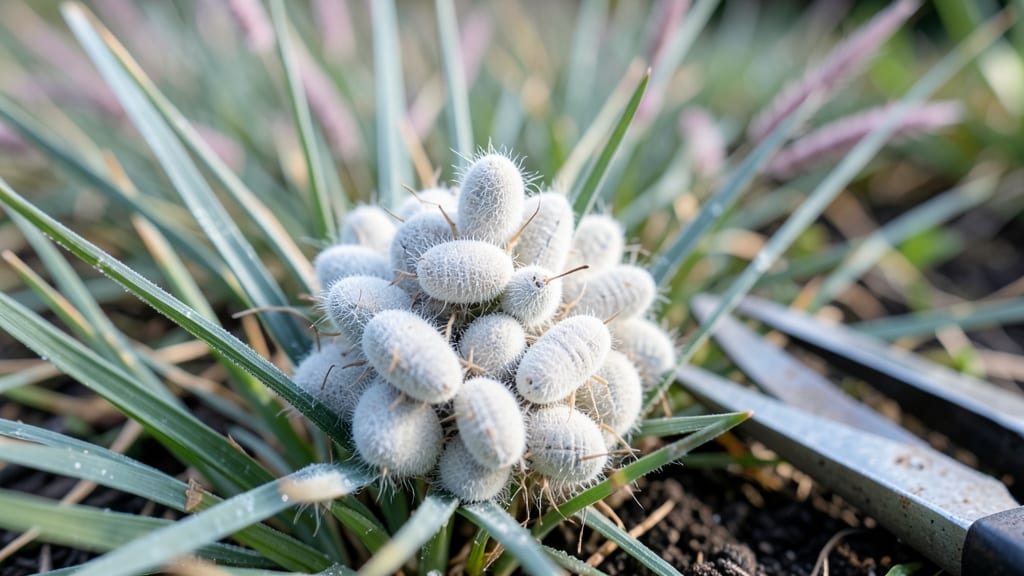
Mealybugs on muhly grass turn those delicate plumes into sticky, white messes that ruin the whole look. 🌿 I’ve seen these pests turn a showstopping ornamental into a sad, weepy shadow of itself—until I learned the right way to tackle them without harming the plant or the pollinators that visit.
The first sign is usually cottony white clumps on stems or leaf bases, often near new growth. These pests suck sap, leaving behind a sticky residue that attracts ants and sooty mold. Worse, they multiply fast, so waiting to act means more work later. The good news?
Organic remedies like neem oil or insecticidal soap work just as well as harsh chemicals for muhly grass. By the time you’re done, your grass will bounce back with fresh, clean plumes—no more sticky messes or wilting from stress.
The key is acting early, checking plants regularly, and keeping the area around them free of debris where mealybugs love to hide. This method works for all ornamental grasses, not just muhly. Let’s get those plumes fluffing up again the right way.
The Hidden Triggers Behind Infestations
Mealybugs may seem like they appear out of nowhere, but these tiny, cottony pests actually thrive due to very specific conditions—many of which are directly tied to how we care for our Muhlenbergia (muhly) grass.
Understanding these triggers is the first step to preventing future outbreaks and protecting your ornamental grass. Let’s break down the science behind why these pests target your plants.
Mealybugs are heat-loving insects, and they adore environments where temperatures stay consistently warm—especially in the upper 70s to low 90s°F (24–32°C). Muhly grass, with its fine, airy blades, creates the perfect microclimate for these pests to nestle in:
- Dense foliage: The soft, feathery plumes of muhly grass provide ideal hiding spots under the leaves and stems, shielding mealybugs from predators and harsh sunlight.
- Poor air circulation: When muhly grass grows too thickly or is planted in shaded, enclosed areas (like near fences or under trees), stagnant air traps heat and humidity—mealybugs’ favorite conditions.
- Southern or western exposures: These areas receive more direct sunlight, which can overheat the soil and create a warm haven for pests during the day.
Pro tip: 🌡️ Thin out overgrown muhly grass in late winter to improve airflow. If your garden has hotspots, consider relocating muhly to a slightly cooler, more open area.
While mealybugs aren’t aquatic pests, they do thrive in damp conditions—especially when combined with poor drainage. Here’s why:
| Cause | How It Attracts Mealybugs |
|---|---|
| Overwatering | Soggy soil weakens muhly grass, making it easier for mealybugs to pierce stems and suck out sap. Excess moisture also dilutes natural defenses in the plant. |
| Poor drainage | Stagnant water at the roots creates a humid microclimate, mimicking tropical conditions where mealybugs multiply rapidly. |
| Frequent dew or morning watering | Leaves stay damp longer, providing a sticky surface for mealybugs to move and cluster (their waxy coating helps them stick to wet foliage). |
Pro tip: ✨ Water deeply but infrequently—aim for 1–1.5 inches per week (including rainfall) and avoid overhead sprinkling. If your soil is clay-heavy, amend it with compost to improve drainage.
Mealybugs are opportunistic feeders, meaning they target plants that are already struggling. When muhly grass is under stress, its natural resins and defensive compounds weaken, making it a buffet for pests. Common stressors include:
- Nutrient deficiencies: Lack of phosphorus or potassium (key for plant resilience) makes muhly grass more vulnerable to sap-sucking insects.
- Compacted soil: Roots suffocate, reducing the plant’s ability to absorb water and nutrients efficiently.
- Recent transplant shock: Newly planted muhly grass is highly susceptible to pests for the first 6–12 months as it recovers.
- Drought followed by sudden watering: This osmotic shock can disrupt the plant’s cellular integrity, making it easier for mealybugs to breach defenses.
Pro tip: 💪 Fertilize muhly grass in early spring with a balanced, slow-release fertilizer (10-10-10 or 5-10-10) to bolster its health. Avoid high-nitrogen fertilizers, which promote lush but weak growth.
In a healthy ecosystem, mealybugs are kept in check by natural predators like ladybugs, lacewings, parasitic wasps, and birds. However, muhly grass in urban or landscaped gardens often lacks these biological controls due to:
- Pesticide use: Broad-spectrum insecticides kill beneficial insects alongside pests, creating a vacuum that mealybugs rush to fill.
- Isolated plantings: If your muhly grass is the only ornamental grass in the area, predators have fewer food sources to sustain them.
- Seasonal timing: Mealybugs peak in late summer to early fall, but their predators may still be recovering from winter or haven’t yet colonized the area.
Pro tip: 🌿 Plant companion plants like yarrow, dill, or fennel near your muhly grass to attract predatory insects. Avoid chemical sprays and opt for neem oil or insecticidal soap if treatment is needed.
By addressing these root causes—heat, moisture, stress, and predator imbalance—you’ll disrupt mealybugs’ ideal conditions and give your muhly grass the best chance to stay pest-free. The next step? Explore natural remedies to kick these pests out for good.
Quick Fixes for Stubborn Plant Pests
Mealybugs on your muhly grass can feel like an uphill battle, but with the right approach, you can reclaim your garden’s health—naturally and effectively. The key is targeting the root cause while keeping your plants (and the planet) safe.
Below, we break down practical, step-by-step solutions tailored to how mealybugs invade and thrive, plus prevention tips to stop them before they start.
Before treating, confirm the problem:
- Look for: White, cottony clusters (mealybugs), sticky residue (honeydew), or yellowing grass blades.
- Check: Undersides of leaves, stems, and leaf axils—mealybugs love hiding in crevices.
- Pro tip: 💡 Use a magnifying glass for tricky spots. Early detection = easier fixes!
1.
Soap & Water Spray (Gentle but Effective) Cause: Mealybugs hate soap’s fatty acids, which disrupt their protective wax coating. Fix: - Mix 1 tbsp mild liquid soap (like Castile or insecticidal soap) + 1 quart water in a spray bottle. - Spray directly on infested areas (focus on undersides and stems) until thoroughly wet. - Reapply every 5–7 days for 2–3 weeks until pests vanish. - ⚠️ Warning: Test on a small grass patch first—some soaps may dry out delicate foliage.
2. Neem Oil (Systemic Defense)
Cause: Mealybugs avoid neem’s bitter taste and it disrupts their life cycle. Fix: - Combine 1 tbsp neem oil + 1 tsp mild soap + 1 quart water.
Shake well. - Spray at dusk (avoids harming beneficial insects active during the day). - Repeat weekly until mealybugs disappear. Bonus: Neem also deters future pests!
3. Rubbing Alcohol Wipe-Down (For Small Infestations)
Cause: Alcohol dehydrates mealybugs on contact. Fix:
- Dip a cotton swab in 70% isopropyl alcohol.
- Gently dab each mealybug cluster (avoid over-wetting the grass).
- Best for: Early-stage outbreaks or isolated patches. Downside: Labor-intensive for large areas.
Cause: Mealybugs have natural predators—harness them! Fix:
- Ladybugs or lacewings: Release these beneficial insects near infested areas. They love eating mealybugs!
- Parasitic wasps: Tiny but mighty—search for Encarsia formosa (a mealybug-specific wasp).
- Pro tip: 🌡️ Time releases for early morning or late evening to protect ladybugs from heat.
Cause: Sometimes, brute force wins. Fix:
- Use tweezers or a soft brush to pluck off clusters (drop them in soapy water to kill).
- Prune heavily infested grass blades and dispose of them in a sealed bag.
- Follow up with a neem oil spray to prevent regrowth.
Once your muhly grass is mealybug-free, lock in the wins with these habits: - 🌿 Healthy grass = pest resistance: Overwatering attracts mealybugs—water deeply but infrequently (early morning is best). - 🌱 Mulch properly: Use wood chips or straw (not thick layers) to deter pests while retaining moisture. - 🕵️ Regular scouting: Check your grass weekly during warm months.
Early action = less work! - 🚫 Avoid over-fertilizing: Too much nitrogen = softer grass = easier mealybug meals. - 🌿 Companion planting: Grow marigolds, basil, or garlic nearby—their scents repel pests naturally.
Final Note: Patience is key! Mealybugs are persistent, but with consistent treatment, your muhly grass will bounce back stronger. Start with one method, monitor progress, and adjust as needed. Happy gardening! 🌱💚
Frequently asked questions
What do mealybugs look like on muhly grass?
Mealybugs appear as small, white, cottony clusters about the size of a pinhead. They often hide in leaf axils, along stems, or under the feathery plumes. Look for their waxy, mealy texture—it’s how they got their name! If you see sticky residue (honeydew) on leaves, that’s a sure sign they’re feeding.
How quickly can mealybugs spread to other plants?
Mealybugs multiply fast! A single infestation can double in 2-3 weeks under warm conditions. They spread via wind, water, or beneficial insects (like ants) that "farm" them. If you spot them on muhly grass, check nearby plants immediately—especially succulents, citrus, or other ornamental grasses.
Is neem oil safe for muhly grass?
Yes! Neem oil is non-toxic to muhly grass when used correctly. Mix 1 tbsp neem oil + 1 tsp mild soap + 1 quart water and spray at dusk. Avoid applying on hot, sunny days (it can cause leaf burn). Always test a small area first, and reapply weekly until mealybugs disappear.
Why do mealybugs keep coming back after treatment?
Persistent mealybugs usually mean hidden eggs or new infestations. Check leaf undersides and stems for tiny white eggs. Also, ensure you’re treating the entire plant (not just visible clusters) and following up with preventive care like proper watering and companion planting. Ants "herding" mealybugs? Break their connection with diatomaceous earth.
Can I still use my muhly grass for bouquets if mealybugs are present?
Not safely! Mealybugs leave sticky honeydew that ruins arrangements and attracts sooty mold. Wait until the grass is fully pest-free (no visible clusters or residue) before harvesting. Treat first, then enjoy your bouquets—your home will thank you too!