
Lawn
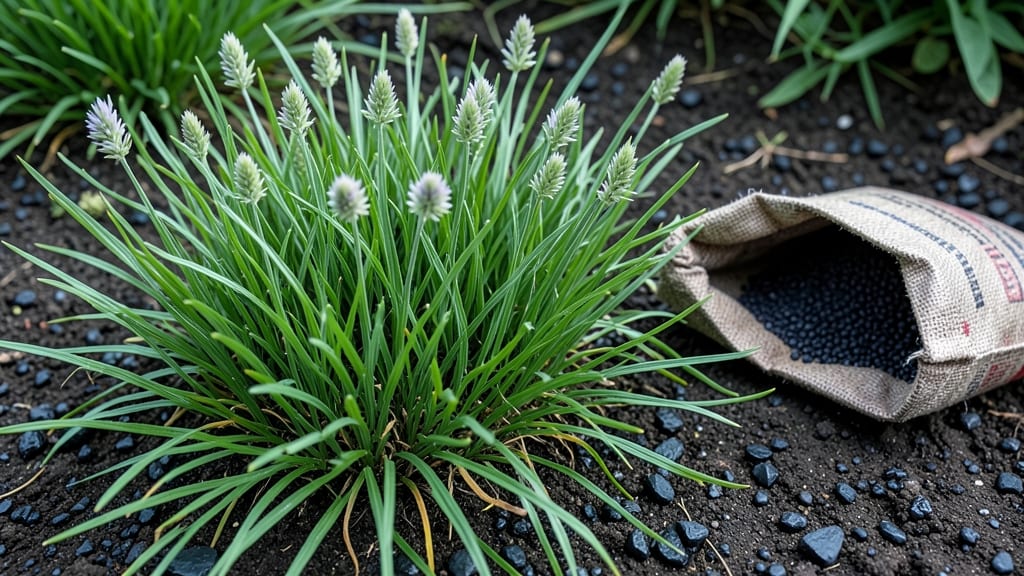
Coal ash contains calcium carbonate, which naturally raises soil pH—great for acidic lawns—but the real concern is its aluminum and heavy metal content. 🌱 Overapplication can lock out essential nutrients like phosphorus and iron, stunting grass growth.
The EPA recommends testing soil first and limiting use to 20 pounds per 100 square feet, with wood ash as a safer alternative for pH adjustment.
Many gardeners swear by coal ash for its potassium boost, but the risks of aluminum buildup often outweigh the benefits. For example, a 500-square-foot lawn should never exceed 100 pounds of coal ash—any more risks long-term damage. Instead, consider pelletized chicken manure or sulfur-based amendments for balanced soil health.
💡 In This Article
- How Coal Ash Affects Soil Chemistry and Grass Health
- Safe Ways to Use Coal Ash on Lawns: Dosage and Testing
How coal ash affects soil chemistry and grass health
Coal ash works as a soil amendment primarily because it contains calcium carbonate (CaCO₃), which acts as a natural liming agent.
When spread on grass, it reacts with acidic soil components like aluminum and hydrogen ions, neutralizing them and raising the pH. This process is similar to how agricultural lime functions, but coal ash also introduces potassium (K)—a critical nutrient for grass growth—at levels typically between 1-3% by weight.
The potassium helps strengthen root systems and improve drought resistance, which is why many gardeners notice lusher growth after application.
The chemical reaction begins within hours of application. As rainwater percolates through the ash, it dissolves the calcium carbonate, releasing calcium ions (Ca²⁺) that bond with soil particles while displacing aluminum (Al³⁺) and manganese (Mn²⁺) ions.
These displaced metals become more mobile in acidic soils, which can be toxic to grass roots at elevated levels. For example, aluminum toxicity becomes noticeable when soil pH drops below 5.0, causing brown leaf tips and stunted growth.
Coal ash’s pH-raising effect can mitigate this, but only if applied correctly—overuse can create its own problems by pushing pH too high.
Beyond pH and potassium, coal ash introduces trace elements like arsenic, mercury, and lead in varying concentrations depending on the coal source. While these heavy metals are present in minuscule amounts in most commercial coal ash, they accumulate over time in the soil.
The EPA sets strict limits on coal ash used in agriculture, but home gardeners often lack testing for these contaminants.
A 2018 study in the Journal of Environmental Quality found that repeated applications over 3-5 years could lead to detectable levels of arsenic in lawn soils, posing risks to children and pets who may ingest soil particles.
Grass health also suffers when coal ash disrupts nutrient balance. While potassium improves root development, excessive calcium can lock out phosphorus and iron, two nutrients essential for chlorophyll production.
This creates a paradox: coal ash may initially green up a lawn by raising pH, but long-term use can lead to yellowing as iron deficiency sets in.
The visual result is often a two-toned lawn—dark green where ash was applied and pale yellow in untreated areas due to nutrient imbalance.
Consider this real-world scenario: A homeowner in Atlanta, Georgia, with naturally acidic clay soil (pH 4.8), applied 50 pounds of coal ash per 1,000 square feet to boost growth.
Within 6 months, their fescue grass showed signs of aluminum toxicity (purple leaf edges) despite the pH rising to 6.8. The issue? The ash also introduced soluble aluminum salts that bypassed the pH buffer effect.
This highlights why soil testing before application is non-negotiable—it reveals whether your lawn needs pH adjustment or nutrient correction.
For those tempted to use coal ash, focus on the short-term benefits: a 1-2 point pH increase and temporary potassium boost. But weigh this against the long-term risks—heavy metal buildup, nutrient lockout, and potential root damage.
The key is treating coal ash as a last-resort amendment, not a routine fertilizer. 🌱