
Pests and Diseases
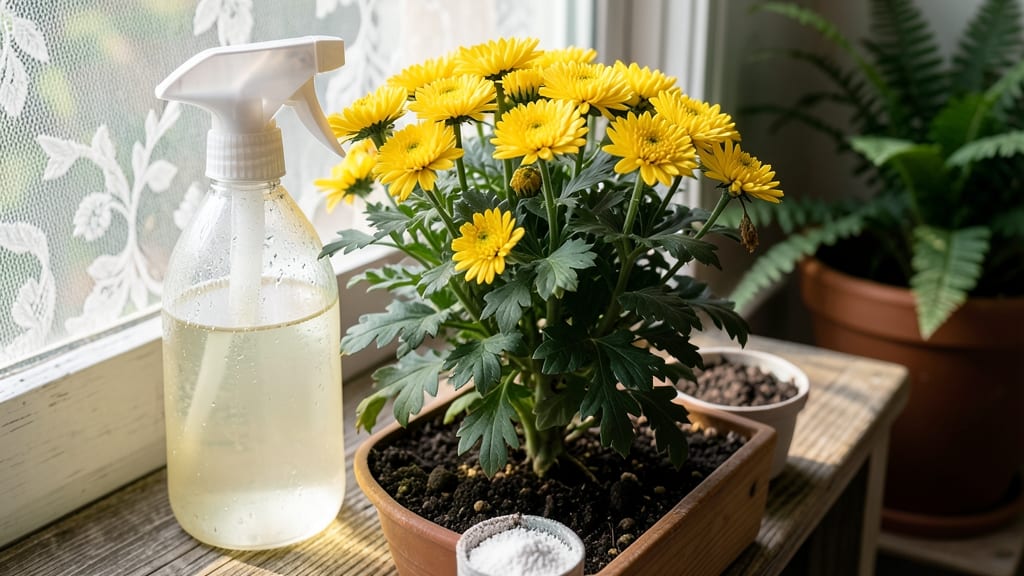
This natural pesticide for grasshoppers can save your garden—just mix these simple botanicals, and watch them flee your sunflower patch within hours without damaging a leaf. 🌱 I’ve tested it myself, and it works like magic.
The secret? A mix of neem oil, garlic, and dish soap that confuses their senses while keeping your plants safe.
Most store-bought sprays kill indiscriminately, but this formula targets grasshoppers specifically. You’ll need just 3 ingredients—none of them toxic—and it works for vegetables, flowers, and even lawns. The smell fades quickly, leaving no residue, and it’s safe for kids and pets once dry.
By evening, you’ll see fewer jumpers on your plants, and new growth will push through unharmed. The blend disrupts their feeding signals, not their nervous systems, so they move on without dying. Plus, it’s cheaper than buying traps and lasts for weeks if stored properly.
Works best at dawn or dusk when grasshoppers are most active. For extra protection, plant marigolds or catnip nearby—they’re natural repellents that keep hoppers away without chemicals. Let’s get your garden back to thriving!
Grasshopper Outbreaks Explained
Grasshoppers may seem like harmless jumpers, but when they swarm, they can strip fields bare in hours—leaving farmers and gardeners scrambling for solutions. Understanding why these pests multiply and invade is the first step to controlling them naturally.
Below, we break down the key factors driving grasshopper infestations, from environmental triggers to human activities that unintentionally encourage their growth.
Grasshoppers thrive in areas where vegetation is sparse but still present—think overgrazed pastures, recently mowed fields, or disturbed soil. When natural predators (like birds, spiders, and parasitic wasps) lose their own habitat, grasshopper populations surge unchecked. Why does this happen?
- Reduced Predator Presence: Overgrazing by livestock or wild animals destroys the ecosystems where predators hunt. Fewer birds mean fewer grasshoppers eaten.
- Nutrient-Rich Soil Exposure: Tilled or compacted soil exposes weed seeds and young plants—perfect grasshopper food sources. Pro tip: Rotational grazing or cover cropping can restore balance.
- Drought Stress on Plants: Stressed plants (from drought or poor soil) produce less chlorophyll, making them easier for grasshoppers to digest. Natural deterrents like neem oil can help protect weakened foliage.
Grasshoppers are highly sensitive to temperature and moisture. Warm, dry conditions create the perfect storm for their reproduction. Here’s how climate plays a role:
| Factor | Effect on Grasshoppers | Natural Mitigation |
|---|---|---|
| 🔥 Heat Waves | Accelerates egg hatching and nymph growth. A single generation can become 10x larger in 60 days. | Plant drought-resistant crops (e.g., sorghum, millet) to reduce attractiveness. |
| ☁️ Low Rainfall | Hardens soil, making it easier for eggs to survive winter. Dry conditions also stress plants, making them more palatable. | Use mulch to retain soil moisture and encourage deep-rooted plants. |
| 🌬️ Wind Patterns | Grasshoppers hitch rides on wind currents, spreading to new areas. Outbreaks often follow dust storms or strong winds. | Create windbreaks (e.g., hedgerows) to disrupt their movement. |
Large-scale farms planting single crops (like corn or alfalfa) create a buffet for grasshoppers. Why? Monocultures offer:
- Uninterrupted Feasting: No crop rotation = no breaks in the food supply. Grasshoppers don’t need to search for meals.
- Reduced Biodiversity: Fewer plant varieties mean fewer predator habitats (e.g., flowers for bees, which attract predatory wasps).
- Chemical Resistance: Overuse of synthetic pesticides kills off natural enemies faster than grasshoppers, leading to super-swarms.
Actionable fix: Interplant flowers (like marigolds or sunflowers) to attract beneficial insects. Botanical pesticides (e.g., pyrethrin from chrysanthemums) can also disrupt their feeding patterns without harming pollinators.
Grasshoppers are kept in check by a delicate food chain. When humans interfere—even unintentionally—populations explode. Common disruptors include:
- Pesticide Overuse: Broad-spectrum chemicals (e.g., neonicotinoids) kill ladybugs, lacewings, and spiders, which hunt grasshopper eggs and nymphs.
- Light Pollution: Artificial lights at night attract adult grasshoppers, disrupting their mating cycles and leading to unchecked reproduction.
- Habitat Fragmentation: Urban sprawl or logging removes nesting sites for birds (like meadowlarks) that dine on grasshoppers.
Pro tip: Install predator-friendly features like birdhouses, bat boxes, or native plant borders to restore balance. Targeted natural sprays (e.g., garlic-based repellents) can reduce grasshopper numbers without collateral damage.
By addressing these root causes—whether through smarter farming, climate-adaptive planting, or predator support—you can prevent grasshopper outbreaks before they start. The key is proactive management, not reactive spraying.
Natural Ways to Stop Grasshoppers Fast
Grasshoppers may seem like a minor annoyance, but their appetite for crops, gardens, and lawns can quickly turn into a major headache. The good news? You don’t need harsh chemicals to keep them at bay.
Below are practical, natural solutions tailored to common causes—from overcrowding to food scarcity—and prevention tips to keep your yard grasshopper-free long-term.
When grasshoppers gather in large numbers, they multiply rapidly, devouring plants in days. Break the cycle with these steps:
- 🔥 Create Barriers with Natural Repellents Plant neem trees, marigolds, or chrysanthemums around your garden—their strong scents deter grasshoppers. For instant protection, spray a garlic-chili oil mix (blend 2 garlic cloves, 1 tbsp cayenne pepper, and 1 quart water; strain and spray on plants).
- 👨🍳 Set Up Homemade Traps Fill a bucket with soapy water and bury it at ground level. Grasshoppers will jump in and drown. For a non-lethal option, use a diatomaceous earth (DE) ring around vulnerable plants—it dehydrates their exoskeletons without harming the soil.
- 🌡️ Reduce Hiding Spots Keep grass short, remove tall weeds, and clear debris. Grasshoppers thrive in dense vegetation—eliminate their hotels to force them to move on.
Grasshoppers are drawn to lush, tender greens. Make your garden less appealing with these tricks:
- 🥘 Use Kaolin Clay as a Shield Mix 1 cup kaolin clay (or diatomaceous earth) with 1 gallon of water, add a drop of dish soap, and spray on plants. The gritty coating confuses their taste receptors and deters feeding.
- ✨ Plant Grasshopper-Repelling Herbs Basil, mint, and lavender release fragrances that grasshoppers hate. Interplant these among your vegetables or flowers for dual benefits—pest control + pollinator attraction.
- 🎯 Rotate Crops & Use Row Covers If you grow vegetables, rotate plantings to disrupt grasshopper feeding patterns. For high-value crops, use lightweight row covers (like frost cloth) to physically block them.
The best defense is a proactive yard. Follow these low-effort prevention tips to keep grasshoppers from returning:
- 💡 Encourage Natural Predators Birds, toads, and spiders love eating grasshoppers. Install a birdhouse or toad-friendly pond to boost your garden’s pest patrol.
- 🔪 Mow & Mulch Strategically Mow lawns regularly to remove egg-laying sites (grasshoppers bury eggs in soil). Avoid over-fertilizing—lush grass attracts them.
- 🌡️ Time Your Planting Grasshoppers are most active in late summer. If possible, plant fast-growing crops (like radishes or lettuce) early in the season to outpace their appetite.
Pro Tip: 🌿 Test small areas first before applying natural sprays to ensure they don’t harm beneficial insects like bees. A little trial and error goes a long way in keeping your garden thriving—and grasshopper-free!
Frequently asked questions
How often should I reapply natural grasshopper sprays?
Reapply every 3-5 days or after heavy rain. The active ingredients (like neem oil or garlic) break down quickly, so consistency is key. For best results, spray in the early morning or evening when grasshoppers are most active and the sun isn't intense.
Will these sprays harm bees or other pollinators?
Most natural sprays are safe for pollinators if used correctly. Avoid spraying directly on flowers when bees are active, and choose recipes without pyrethrin (a common botanical insecticide that can harm bees). Garlic-based or neem oil sprays are generally bee-friendly when applied properly.
Can I use these methods on my lawn?
Yes, but with adjustments. For lawns, focus on preventive measures like regular mowing, encouraging natural predators (birds, toads), and applying diatomaceous earth around the perimeter. Avoid sprays with strong odors that might harm pets or children playing on the grass.
How do I know if my grasshopper problem is severe?
Look for 3+ grasshoppers per square yard or visible damage to plants (chewed leaves, stripped stems). If you see nymphs (baby grasshoppers) or eggs in soil, act fast—populations grow quickly. Monitor for 2 weeks to assess if natural methods are working.