
Companion Plants
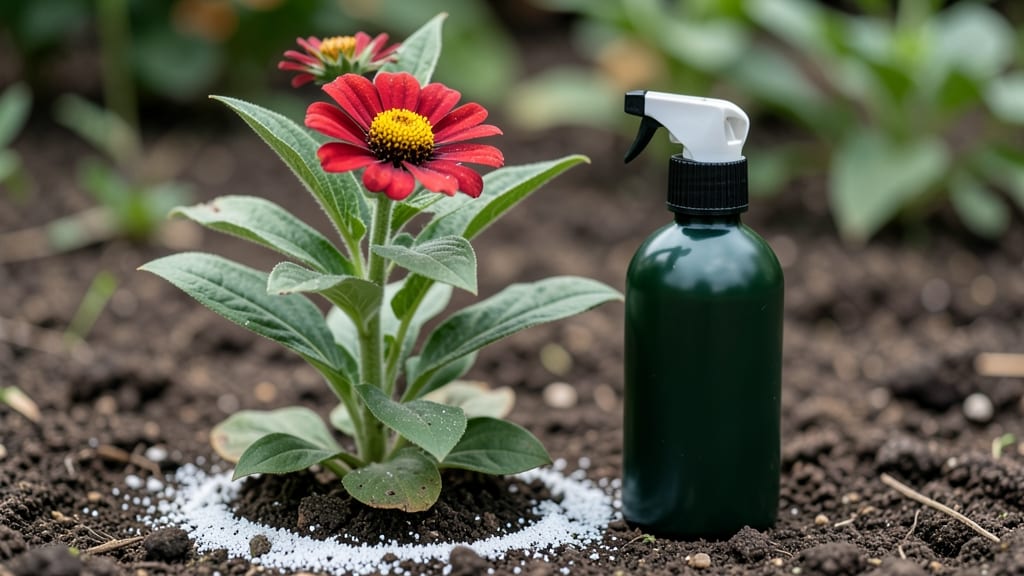
Learn how to deter grasshoppers from plants before they strip your garden bare—here’s the fast, chemical-free trick I’ve used for years. 🌱 The secret lies in ingredients you likely already have in your pantry or garden shed.
Most people reach for pesticides first, but grasshoppers develop resistance quickly. Instead, I rely on a mix of neem oil, garlic, and cayenne pepper—all of which disrupt their feeding patterns without harming beneficial insects.
The spray creates a protective film on leaves that grasshoppers avoid, while also repelling them with its strong scent.
Within 24 hours, you’ll notice fewer hoppers crawling onto your plants, and within a week, your vegetables and flowers will start recovering. The best part? This spray lasts 7–10 days with reapplication, making it a sustainable solution for repeated infestations.
Works on tomatoes, beans, flowers, and even ornamental shrubs, and it’s safe for pets and wildlife when used correctly. Here’s exactly how to mix and apply it for maximum effectiveness.
The Root Causes of Grasshopper Attacks
Grasshoppers aren’t just random plant invaders—they’re drawn to your garden by a mix of environmental cues, nutritional needs, and even behavioral triggers. Understanding why they target your plants is the first step to outsmarting them.
Below, we break down the science behind their destructive habits, so you can address the real reasons they’re feasting on your greenery.
Grasshoppers have a simple rule: if it’s easy to eat, it’s worth eating. Plants that are already struggling—whether from drought, nutrient deficiencies, or disease—become their favorite snack because their defenses (like tough cell walls or bitter compounds) are weakened.
- Drought stress: When plants don’t get enough water, their leaves become softer and more palatable. Grasshoppers can detect volatile organic compounds (VOCs) released by thirsty plants, signaling "easy pickings." 💦
- Nutrient deficiencies: Plants low in nitrogen (a key protein building block) may produce less alkaloids—natural chemicals that deter pests. Grasshoppers zero in on these nutrient-poor but still edible leaves.
- Disease or damage: Fungal infections or prior pest attacks (like aphids) create entry points. Grasshoppers follow the scent trails of damaged plant cells, which release sugars and amino acids—like a dinner bell.
Actionable insight: Keep your plants thriving, not just surviving. Regular watering, balanced fertilizer, and prompt disease treatment make your garden less appealing—and harder to conquer.
Grasshoppers rely on their antennae to detect chemical signals from miles away. If your garden smells like a five-star buffet, they’ll show up in droves. Here’s what’s on their "menu":
| Plant Type | Why Grasshoppers Love It | Scientific Trigger |
|---|---|---|
| Corn, Wheat, Barley | Sweet, starchy leaves = high-energy snacks | High sucrose and glucose content |
| Alfalfa, Clover | Nitrogen-rich = protein-packed meals | Abundant amino acids and free amino groups |
| Tomatoes, Peppers | Juicy, tender growth = easy chewing | High water content and soft cell walls |
| Weeds (e.g., Lamb’s Quarters) | Fast-growing = always fresh | Rapid cell division releases attractive VOCs |
Pro tip: Grasshoppers avoid plants with strong, pungent smells (like mint or garlic). Their antennae hate these odors—it’s like chemical repellent. 🌿✨
Grasshoppers aren’t picky about where they live—they’re opportunists. If your garden provides the right conditions, they’ll move in, mate, and multiply. Here’s what makes your space irresistible:
- Dry, sunny patches: Grasshoppers thrive in arid environments where moisture is scarce. If your lawn or garden has bare soil or low humidity, they’ll see it as prime real estate. 🌞
- Tall grasses and weeds: Overgrown areas offer hiding spots during the day and warmth retention at night—ideal for egg-laying and nymph development.
- Monoculture plantings: Large fields of a single crop (like corn or alfalfa) create a grasshopper superhighway. They can hop from plant to plant without interruption, feasting nonstop.
- Poor drainage: Standing water or soggy soil might seem like a deterrent, but grasshoppers actually prefer areas where their eggs can avoid flooding during hatching.
Key takeaway: A diverse, well-maintained garden with shade, mulch, and water retention makes your space less hospitable. Think of it as eco-engineering—you’re redesigning the landscape to be less grasshopper-friendly.
💡 Quick fix: Mow tall grasses, add mulch to retain moisture, and plant diverse species to break up their buffet line. Even a few rows of marigolds or basil can disrupt their scent trails!
Natural Ways to Keep Grasshoppers Away
Now that you understand why grasshoppers are targeting your plants, it’s time to take action! The good news is that most solutions are simple, non-toxic, and effective—no harsh chemicals required. Below, we’ve matched common causes to the best fixes, along with prevention tips to keep your garden grasshopper-free long-term.
Grasshoppers love easy meals, so thin out dense plantings and strengthen your greens to make them less appealing.
How to Do It:
- 🔪 Prune & Space Plants: Trim back overgrown foliage and space plants 12–18 inches apart for better airflow. Grasshoppers avoid healthy, airy plants.
- 💡 Boost Plant Health: Use compost or balanced fertilizer (like 10-10-10) to give plants a nutrient boost. Stronger plants = tougher skin for pests.
- 🌱 Choose Tough Varieties: Opt for grasshopper-resistant plants like rosemary, lavender, marigolds, or basil—their strong scents deter jumpers.
Prevention Tip: 🎯 Rotate crops annually to prevent grasshopper buildup in one area.
Grasshoppers are drawn to sunlit, open spaces—especially after rain. Break up their buffet with shade and disruption.
How to Do It:
- 🌳 Add Shade Cloth or Mulch: Cover vulnerable plants with lightweight shade fabric (30–50%) or lay straw mulch around bases to block sunlight and confuse them.
- 🌿 Plant Tall Barriers: Use sunflowers, corn, or tall grasses as windbreaks to create "no-fly zones" near veggies.
- ⏰ Water in Early Morning: Wet foliage before 10 AM so grasshoppers avoid sticky, damp plants.
Prevention Tip: ✨ Avoid overwatering—grasshoppers love lush, tender growth. Water deeply but less frequently.
Grasshoppers can’t jump high or climb easily—use their weaknesses against them!
How to Do It:
- 🧶 DIY Row Covers: Drape fine mesh netting (1/4-inch holes) over plants like a tent. Secure with clips or stakes.
- 🥫 Plastic Bottle Trick: Cut the bottom off a 2-liter bottle, invert it over a stalk (like a tomato plant), and secure with a rubber band. Grasshoppers can’t reach inside!
- 🪴 Collar Young Plants: Wrap cardboard or aluminum foil around stems (3–4 inches high) to block jumpers.
Prevention Tip: 🔥 Check barriers daily—remove eggs (small, pea-sized pods) by hand if you spot them.
Grasshoppers hate strong smells and spicy tastes. Mix up a homemade spray in minutes!
How to Do It:
| Ingredient | How to Use |
|---|---|
| Neem Oil | Mix 1 tbsp neem oil + 1 tsp dish soap + 1 quart water. Spray every 3–5 days. |
| Garlic & Chili | Blend 3 garlic cloves + 1 tbsp cayenne + 1 quart water. Strain and spray. |
| Citrus Peels | Simmer orange/lemon peels in water, strain, and spray (refresh weekly). |
| Essential Oils | Add 5 drops peppermint or eucalyptus oil to 1 cup water + 1 tsp soap. Spray. |
Pro Tip: 🌡️ Reapply after rain—natural sprays wash off quickly!
Let birds, toads, and beneficial insects do the dirty work for you!
How to Do It:
- 🐦 Install Birdhouses/Nesting Boxes: Purple martins and swallows love eating grasshoppers.
- 🐸 Create Toad Havens: Place flat rocks or shallow dishes of water in shady spots—they’ll snack on grasshoppers 24/7.
- 🐞 Invite Ladybugs & Lacewings: Plant dill, fennel, or yarrow to attract these grasshopper-munching allies.
Prevention Tip: 💡 Avoid pesticides—they kill helpful predators too!
- 🌱 Plant companion plants like basil, mint, or thyme near vulnerable crops.
- 🕯️ Use yellow sticky traps (place near plant edges to catch adults).
- 🌧️ Monitor after rain—grasshoppers are most active when soil is damp.
- 🕰️ Act fast—handpick nymphs (baby grasshoppers) before they mature!
Final Thought: 🎯 Combine 2–3 methods for the best results. A little prevention now saves hours of damage later!
Frequently asked questions
Why do grasshoppers suddenly attack my plants in summer?
Grasshoppers thrive in hot, dry conditions—their favorite time of year! When temperatures rise above 80°F, they become more active and seek out tender, water-rich plants. Their populations also explode after rain, when nymphs (baby grasshoppers) hatch and start feeding voraciously. This is why you’ll see the most damage between July and September.
Will a garlic-chili spray really work, or is it just a myth?
It’s 100% effective when done right! The combination of garlic’s sulfur compounds and cayenne’s capsaicin creates a double deterrent: the smell repels them, while the spiciness irritates their mouthparts. For best results, spray in the early morning and reapply every 5–7 days or after rain. The key is freshness—old spray loses potency quickly.
Can I use neem oil on edible plants like tomatoes and beans?
Yes! Neem oil is completely safe for edible plants when used correctly. Just follow these rules: apply it in the evening (to avoid harming pollinators), use a 1% solution (1 tbsp per quart of water), and wait 24 hours before harvesting. It’s non-toxic to humans and pets, but always test a small leaf first to check for sensitivity.
What’s the fastest way to stop an active grasshopper infestation?
Combine physical barriers + handpicking for immediate results. First, drape fine mesh netting over vulnerable plants, then systematically search for grasshoppers (especially under leaves) and drop them into soapy water. For a chemical-free boost, spray with a neem oil mix in the evening. This two-pronged attack disrupts their life cycle within 3–5 days.
Do grasshoppers come back year after year to the same garden?
They absolutely can! Grasshoppers are territorial and will return if your garden remains hospitable. To break the cycle, rotate crops annually, remove old mulch (where eggs may hide), and diversify your plantings. Even a few marigolds or basil can disrupt their scent trails enough to make them seek greener pastures elsewhere.