
Companion Plants
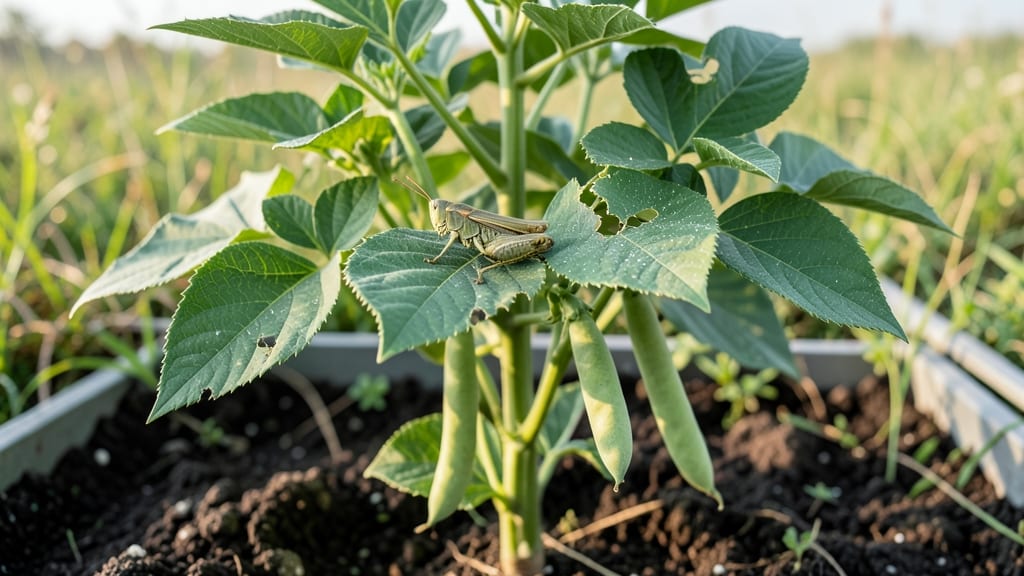
Noticing the telltale signs of grasshopper damage to plants—those jagged, crispy edges on your leaves—is a sure sign these hoppers have moved in, and fast. 🌱 I’ve watched my tomato plants go from lush and green to skeleton leaves in just a few days, and I’ll show you exactly how to stop the damage and bring your plants back to life.
The first step is identifying the damage—look for those telltale chewed edges and missing patches, especially on the undersides of leaves. Grasshoppers love tender new growth, so if your plants seem to be wilting overnight, they’re likely the culprits.
The good news? You can turn this around with a few targeted actions. By combining manual removal, natural predators, and protective barriers, you’ll see new growth within 2-3 weeks. The key is acting fast—grasshoppers multiply quickly, and once they take over, they’re harder to control.
Let’s get your garden back in shape!
Grasshoppers are drawn to dry, sunny conditions and plants like corn, beans, and tomatoes. If your yard has tall grass or weeds, it’s basically a buffet for them. The worst part?
They don’t just chew leaves—they strip stems and even eat flowers, leaving your plants looking like they’ve been through a storm. The solution starts with removing eggs in the fall (they look like tiny black beads in soil) and keeping your garden free of debris.
Planting marigolds, basil, or catnip nearby can also deter them naturally. Even a simple row cover can save your veggies from becoming a grasshopper snack.
Once you spot them, act fast—handpick them into soapy water or use neem oil for a chemical-free kill. If the infestation is bad, introduce ladybugs or sparrows, which love to eat grasshoppers. Within a few weeks, you’ll notice fewer chewed leaves and more healthy regrowth.
This method works for vegetable gardens, flower beds, and even houseplants if they’re outdoors. The goal is to break their cycle before they take over completely. Let’s get your plants thriving again!
The Hidden Triggers Behind Plant Devastation
Grasshoppers don’t just munch on plants—they’re drawn to them by a mix of environmental cues, plant chemistry, and even human habits. Understanding these triggers helps you predict and prevent outbreaks before your garden turns into a buffet. Here’s why these hoppers become such a menace:
Grasshoppers have a serious sweet tooth—and they’re not picky. Overripe, tender, or stressed plants are their favorite snacks because:
- High moisture content: Grasshoppers prefer plants with juicy leaves (think corn, alfalfa, or newly sprouted seedlings). Overwatered soil keeps plants plump and irresistible.
- Nitrogen-rich foliage: Fast-growing plants (like lawns fertilized with nitrogen) release volatile organic compounds (VOCs) that grasshoppers detect from up to 100 feet away.
- Stress signals: Drought-stressed plants emit different chemical cues that actually attract grasshoppers—yes, really. Their saliva contains enzymes that break down damaged plant cells, making them even more appealing.
Actionable fix: Avoid heavy fertilization in late summer (when grasshoppers are most active). Instead, opt for slow-release potassium to toughen up plant cell walls.
Grasshoppers thrive in heat and drought—not because they’re tough, but because their life cycle speeds up when:
- Eggs hatch faster: Warmer soil (above 70°F) triggers synchronized hatching of grasshopper eggs, leading to explosive populations in weeks.
- Plants wilt: Drought-stressed leaves lose structural integrity, making them easier to chew. Grasshoppers also prefer dry conditions because they can’t digest overly hydrated plants efficiently.
- Predators retreat: Birds and spiders (natural grasshopper enemies) seek shade or water during heatwaves, leaving hoppers unchecked.
Actionable fix: Mulch heavily in drought-prone areas to retain moisture, and water deeply but infrequently (early morning) to avoid attracting hoppers to damp foliage.
Your well-meaning garden choices might be unwittingly luring grasshoppers. Here’s how:
| Problem | Why It Works for Grasshoppers | Fix It Like This |
|---|---|---|
| Monoculture gardens (e.g., all corn or alfalfa) | Grasshoppers swarm single-species crops because they’re an easy, endless meal. | Plant diverse companion crops (e.g., marigolds, basil, or garlic near veggies) to disrupt their feeding patterns. |
| Overgrown grassy edges | Tall grass provides hiding spots and egg-laying sites—plus, it’s their natural habitat. | Mow grassy borders short (but not scalp) and remove thatch where eggs overwinter. |
| Ignoring early signs (e.g., tiny chewed leaves) | By the time you see large holes, the population has already multiplied 10x. | Do a weekly “leaf audit”—check undersides of leaves and stems for fecal pellets (tiny black dots). |
Pro tip: Grasshoppers hate texture. Sprinkle diatomaceous earth (food-grade) around plants—their exoskeletons dry out in contact with it.
Grasshoppers keep populations in check naturally—but modern farming and gardening often disrupt this balance:
- Pesticide overuse: Broad-spectrum sprays (like neonicotinoids) kill beneficial insects first—ladybugs, lacewings, and parasitic wasps that eat grasshopper eggs.
- Habitat destruction: Removing wildflower strips or rocky areas (where spiders and toads hunt) leaves grasshoppers with no competition.
- Climate shifts: Warmer winters mean fewer freeze-outs for grasshopper eggs, and earlier springs give them a longer feeding season.
Actionable fix: Create a “predator-friendly” zone with:
- Piles of rocks or logs for toads and ground beetles.
- Native wildflowers (like milkweed or clover) to attract parasitic wasps.
- Avoid systemic pesticides—opt for kaolin clay or neem oil instead.
Save Your Plants: Quick Fixes for Grasshopper Harm
When grasshoppers turn your lush garden into a buffet of chewed leaves, acting fast is key. The good news? You don’t need a degree in entomology to turn things around.
Below, we’ve matched common causes of grasshopper damage to simple, effective solutions—plus tips to keep your plants safe long-term. Let’s get your garden back to thriving! 🌱🚀
If grasshoppers have already stripped your plants, focus on immediate damage control and regrowth support.
🍳 Remove the Invaders Manually (Best for Small Gardens)
Grasshoppers are easy to spot—look for stripped leaves, jagged edges, or hopping pests. Here’s how to evict them:
- 🕵️♂️ Scout at dawn or dusk when they’re sluggish. Use a flashlight to spot them hiding in foliage.
- 🧤 Wear gloves (some gardeners report grasshoppers bite if startled!). Grab them by hand or use a net.
- 💦 Drop them in soapy water (1 tbsp dish soap + 1 gallon water) to kill them humanely.
- 🗑️ Dispose of carcasses far from your garden to avoid attracting others.
Pro tip: 💡 Check under rocks, mulch, and large leaves—grasshoppers love to hide there!
👨🍳 Set Traps for Large Areas
For bigger yards, traps can help reduce numbers without chemicals:
- 🍎 Beer traps: Bury a shallow container (like a tin can) filled with beer. Grasshoppers are drawn in and drown.
- 🌿 Vegetable oil traps: Mix 1 part vegetable oil with 1 part water in a shallow dish. The oil coats their bodies, suffocating them.
- 🌞 Solar-powered UV traps: Place these near infested areas—they mimic sunlight and lure grasshoppers in.
Pro tip: 🌡️ Place traps 10+ feet apart for maximum coverage. Check them daily to avoid spills.
Prevention is your best defense. Grasshoppers thrive in dry, weedy environments—so make your garden less appealing!
🔪 Trim and Tidy Your Garden
Grasshoppers love tall grass, weeds, and dense mulch. Keep your space uninviting:
- ✂️ Mow lawns regularly (keep grass under 4 inches).
- 🌿 Remove weeds and debris—especially around plant bases.
- 🪴 Prune overgrown plants to improve airflow (less hiding spots = fewer grasshoppers).
- 💧 Water deeply but less often (1–2 inches per week). Grasshoppers prefer dry, stressed plants.
Pro tip: ✨ Use a string trimmer around garden edges to create a "no-man’s-land" of short grass that grasshoppers avoid.
🛡️ Natural Barriers and Repellents
Physical barriers and plant-based deterrents can keep grasshoppers at bay without chemicals:
- 🌿 Companion planting:
- Plant marigolds, basil, or mint near vulnerable crops—their strong scents repel grasshoppers.
- Avoid planting corn, alfalfa, or sunflowers (their favorite snacks!).
- 🧶 Row covers: Use lightweight fabric over young plants to block grasshoppers while allowing sunlight and water through.
- 🌶️ Spray with hot pepper solution:
- Blend 1 tbsp cayenne pepper + 1 tsp dish soap + 1 quart water.
- Strain and spray on leaves (reapply after rain).
- 🐝 Encourage predators:
- Attract birds (like sparrows or robins) with a shallow birdbath.
- Invite ladybugs and parasitic wasps by planting dill, fennel, or yarrow.
Pro tip: 🎯 Rotate repellent methods—grasshoppers can build tolerance to single solutions over time.
Even after removing grasshoppers, your plants may need a little TLC to bounce back.
⏰ Prune and Fertilize for Regrowth
Encourage new growth with these steps:
- ✂️ Trim severely damaged leaves to redirect energy to healthy growth.
- 🌱 Apply balanced fertilizer (10-10-10 or compost) to help recovery.
- 💧 Increase watering slightly (but avoid soggy soil). Stressed plants are more vulnerable.
- 🛡️ Use neem oil (optional): Spray diluted neem oil on new growth to deter returning pests.
Pro tip: 💪 For perennials, prune back by 1/3—they’ll often regrow from the base!
With these strategies, your garden can go from grasshopper buffet to thriving oasis in no time. Stay vigilant, and soon you’ll be the envy of the neighborhood with your lush, pest-free plants! 🌟
Frequently asked questions
How can I tell if my plants are being damaged by grasshoppers vs. other pests?
Grasshopper damage is distinctive—look for jagged, irregular holes along leaf edges (never clean, straight cuts like deer or rabbits). They also leave behind tiny black fecal pellets and often strip stems or flowers. Unlike caterpillars (which create silken webs) or beetles (which chew smooth holes), grasshoppers leave a chaotic mess. Check leaf undersides at dawn—they hide there!
Will handpicking grasshoppers really make a difference in my garden?
A single female grasshopper can lay 100-200 eggs, so removing just 5-10 adults daily can prevent an explosion. For small gardens, this is the fastest way to see results. Drop them in soapy water (1 tbsp dish soap + 1 gallon water) to kill them humanely. Wear gloves—they can bite if startled! Pro tip: Focus on large nymphs (baby grasshoppers) first—they do more damage than adults.
Are there any plants grasshoppers completely avoid?
While no plant is 100% grasshopper-proof, herbs like rosemary, thyme, and oregano are strongly repellent due to their aromatic oils. Marigolds, catnip, and garlic also work well as companion plants. For maximum protection, create a "repellent border" around vulnerable crops. Even better: Plant native wildflowers (like milkweed) to attract natural predators like ladybugs and parasitic wasps.
How long does it take to see regrowth after grasshopper damage?
Most plants show new growth within 7-14 days if the roots are intact. For annuals (like tomatoes or beans), expect 2-3 weeks of recovery. Perennials (such as lavender or coneflowers) may take 3-4 weeks but often regrow from the base. Prune back severely damaged leaves to redirect energy, and apply balanced fertilizer (10-10-10) to speed recovery. Avoid overwatering—stressed plants attract more pests!
Can grasshoppers damage my lawn, and what's the best way to stop it?
Yes! Grasshoppers chew grass blades at the soil line, creating a "windowpane" effect where the grass looks yellowed but roots are still alive. To protect your lawn, mow regularly (3-4 inches tall) and apply potassium-rich fertilizer to strengthen grass. For severe infestations, use kaolin clay (like Surround WP) as a physical barrier. The clay coats grasshoppers, preventing them from feeding while being safe for pets and wildlife.