
Lawn
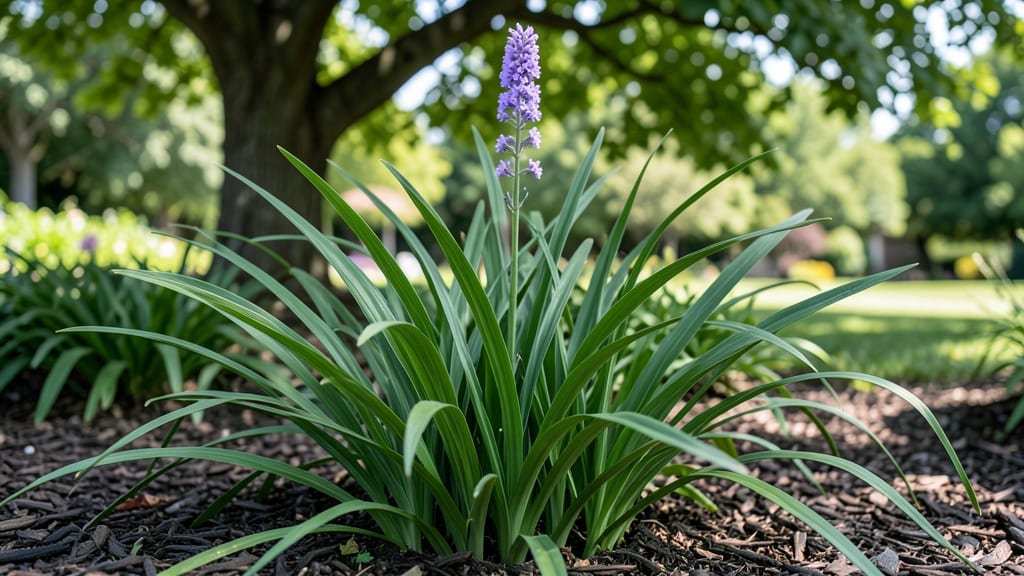
Proper monkey grass care is simpler than you’d think—just nail these key steps, and both Liriope muscari and Miscanthus sinensis will reward you with effortless beauty. 🌱 I’ve been growing them for years, and they’ve become my go-to for low-maintenance ground cover and vertical accents.
The secret lies in understanding their natural habits—whether it's the clumping spread of liriope or the airy plumes of miscanthus—so you can mimic their ideal conditions.
You'll need well-draining soil, moderate sunlight, and occasional watering that keeps the roots happy without drowning them. Most people overwater, thinking these tough plants need constant moisture, but they actually prefer dry spells between waterings.
A simple soil test or just feeling the top inch of soil will tell you when it's time to water again.
By the end of summer, you'll have dense clumps of liriope or arching plumes of miscanthus that look like they belong in a high-end landscape. The best part?
These plants handle heat, drought, and even light foot traffic without flinching. They're the ultimate "plant it and forget it" option for busy gardeners.
Works beautifully in borders, as edging, or even in containers for vertical interest. Let's get yours growing strong with these simple steps!
📚 In This Guide
- What you need
- Instructions
- Tips and common mistakes
- Wrapping up and next steps
What you need
- ● Monkey grass plants: 3–5 healthy nursery-grown plants (for a 3’ x 3’ area) or 10–15 divisions from existing clumps.
- ● Soil: Well-draining potting mix or garden soil amended with 1 part compost (for every 3 parts soil).
- ○ Optional: Perlite or sand (10–20%) for sandy or clay-heavy soils.
- ● Planting tools: Trowel or small shovel (for digging holes).
- ● Garden gloves (to protect your hands).
- ● Mulch: 2–3 inches of organic mulch (e.g., shredded bark, pine straw, or compost).
- ● Watering supplies: Hose with a gentle spray nozzle or watering can.
- ● Fertilizer: Slow-release granular fertilizer (10-10-10 or 5-5-5, 1 lb per 100 sq ft).
- ● Edging tools: For clean borders (e.g., plastic edging or metal strips).
- ● Pruners: Sharp bypass pruners for trimming dead foliage.
- ● Soil test kit: To check pH (ideal range: 6.0–7.0).
- ● Drip irrigation system: For automated watering (great for large patches!).
Step-by-Step guide to growing monkey grass year-round
A few simple adjustments keep this hardy ornamental grass thriving in any season.
🌱 Step 1: Choose the Right Location for Planting
Monkey grass (Liriope muscari) thrives in full sun to partial shade, making it versatile for borders or containers. In hot climates, afternoon shade prevents scorching, while cooler regions benefit from morning sun exposure. I always test the spot first by observing how long it stays moist—if soil dries within 2-3 hours, it’s too exposed.
For containers, ensure pots have drainage holes and use a mix of 50% garden soil and 50% perlite to prevent root rot. The grass tolerates clay but struggles in soggy conditions, so raised beds or slightly elevated spots work best. Once planted, water deeply until 6 inches of soil feels damp—this establishes roots before the first frost.
☀️ Step 2: Water and Fertilize for Year-Round Growth
Established monkey grass needs 1 inch of water weekly, but adjust for rainfall—check soil moisture by pushing a finger 2 inches deep. In summer, I water early morning to reduce evaporation, while winter requires minimal moisture unless temperatures drop below 20°F. Overwatering causes yellowing leaves, a sure sign roots are suffocating.
Feed with a balanced 10-10-10 fertilizer in spring and again in early fall. I skip summer feeding—too much nitrogen encourages leafy growth over those prized purple blooms. For containers, halve the fertilizer dose to avoid salt buildup, which stunts growth. Always water before applying fertilizer to prevent root burn.
✂️ Step 3: Prune and Divide for Long-Term Health
Cut back dead foliage in late winter or early spring before new growth starts. I use clean, sharp shears to trim 2-3 inches above the soil line, which encourages fresh, dense clumps. Never remove more than ⅓ of the plant at once, or you’ll shock the roots. For containers, division every 3-4 years rejuvenates growth—dig up the clump, separate the rhizomes, and replant in fresh soil.
Watch for brown tips in winter—they’re normal in cold snaps but signal dehydration if persistent. Mulch with 2-3 inches of shredded bark in fall to insulate roots, then remove it in spring to prevent moisture buildup. This grass is tough, but even it appreciates a little winter protection in harsh climates.
🌿 Step 4: Monitor for Pests and Disease
Monkey grass rarely faces serious pests, but spider mites or aphids may appear on stressed plants. I treat with a neem oil spray if I spot webbing or sticky residue on leaves. Fungal issues like rust (orange spots) appear in humid summers—improve airflow by thinning crowded clumps and avoid overhead watering.
Yellowing leaves often mean overwatering, but if the problem spreads to the entire plant, check for root rot. Dig up a small section—healthy roots are firm and white, while rotten ones are mushy and dark. Adjust watering immediately and repot if needed. With proper care, this grass stays lush with minimal fuss, earning its reputation as a low-maintenance star.
Tips & tricks for perfect monkey grass growth
These simple yet game-changing strategies will help your monkey grass stay vibrant and healthy with almost no extra effort.
Soil Test Before Planting: The 2-3 hour soil moisture test in Step 1 is your best friend—it tells you exactly how exposed your planting spot is. If soil stays dry that quickly, consider a slightly shaded area or use a soaker hose for deeper watering. I've seen monkey grass struggle in spots that seem fine at first glance, so always test before committing to a location. This grass is adaptable, but it performs best when you match its needs to your climate.
Fertilizer Timing Matters: The spring and early fall feeding schedule in Step 2 is perfect for avoiding summer leafy growth over blooms. Here's what I've learned: when temperatures consistently stay above 80°F, skip the fertilizer entirely. The plant goes dormant-like in summer heat, and extra nitrogen just creates weak, floppy leaves instead of those showy purple spikes. Think of it as a seasonal diet—less is more when it's hot.
Pruning Precision: That 2-3 inch trim in Step 3 might seem arbitrary, but it's actually a sweet spot. Cutting any lower risks damaging the new growth that emerges from the base, while cutting higher leaves the plant looking ragged. I use a small notched trowel instead of shears for container plants—it gives me better control over that exact height. And if you're nervous about dividing, wait until you see the plant pushing up against its container edges; that's your sign it's ready.
Winter Protection Hack: The 2-3 inches of shredded bark mulch in Step 3 is fantastic, but here's a bonus tip: if you're in a region with frequent freeze-thaw cycles, add a layer of straw over the bark. The straw acts like a thermal blanket, preventing the bark from compacting and losing its insulating properties. Remove it in early spring before new growth appears—you'll notice the difference in how quickly your grass greens up after winter.
Pro Tips for Monkey Grass Care
- These simple yet game-changing strategies will help your monkey grass stay vibrant and healthy with almost no extra effort.
- Soil Test Before Planting: The 2-3 hour soil moisture test in Step 1 is your best friend—it tells you exactly how exposed your planting spot is.
- Fertilizer Timing Matters: The spring and early fall feeding schedule in Step 2 is perfect for avoiding summer leafy growth over blooms.
Frequently asked questions
Got questions about keeping your monkey grass thriving? You’re not alone! Here are some of the most common concerns—and straightforward answers to tackle them head-on.
How often should I water monkey grass?
Monkey grass thrives with consistency, not excess. Water deeply 2-3 times per week during dry spells, ensuring the soil stays moist but not soggy. In rainy climates, reduce frequency to once a week. Pro tip: Aim for 1-2 inches of water per week—check soil moisture by sticking your finger 2 inches deep!
Does monkey grass survive winter?
Yes! This hardy grass handles cold well but may brown in frost. In zones below USDA 7, mulch with 2-3 inches of straw or leaves to protect roots. Come spring, trim dead fronds and fertilize to encourage regrowth. Bonus: Its evergreen varieties stay lush year-round in milder climates.
Why is my monkey grass turning brown?
Brown patches usually mean overwatering, underwatering, or nutrient deficiency. First, check soil moisture—yellowing = too wet; crispy edges = too dry. Adjust watering and test soil pH (ideal: 5.5-7.0). If brown spots persist, apply a balanced fertilizer (10-10-10) in early spring. Troubleshoot: Fungal issues? Space plants for airflow and avoid overhead watering.
Can I grow monkey grass in containers?
Monkey grass adapts well to pots, making it perfect for patios or small yards. Use a 12-inch-deep container with drainage holes and a mix of peat moss, perlite, and garden soil. Water more frequently than in-ground plants (containers dry faster) and fertilize monthly in growing seasons. Pro move: Move containers indoors during hard freezes if you’re in a cold zone!
What’s a low-maintenance alternative to monkey grass?
If monkey grass feels high-maintenance, try Liriope (monkey grass’s cousin) or World Grass—both are drought-tolerant and pest-resistant. For a softer look, Zoysia grass or Buffalo grass are great native options. Need shade? Fescue or St. Augustine (in warm climates) are solid picks. Quick tip: Match your grass to your climate and sunlight for easiest care!
Wrapping up and next steps
Caring for monkey grass is all about embracing its hardy nature—with just a little attention to watering, sunlight, and occasional trimming, you’ll enjoy a year-round lush green that thrives with minimal fuss! 🌿 Whether you’re a beginner or a seasoned gardener, this resilient plant rewards patience with vibrant growth and effortless beauty.
Ready to elevate your outdoor space? Start small—plant a patch, experiment with its care, and watch it flourish. Soon, you’ll be the envy of the neighborhood with a low-maintenance, high-impact landscape that’s as rewarding as it is easy!