
How To
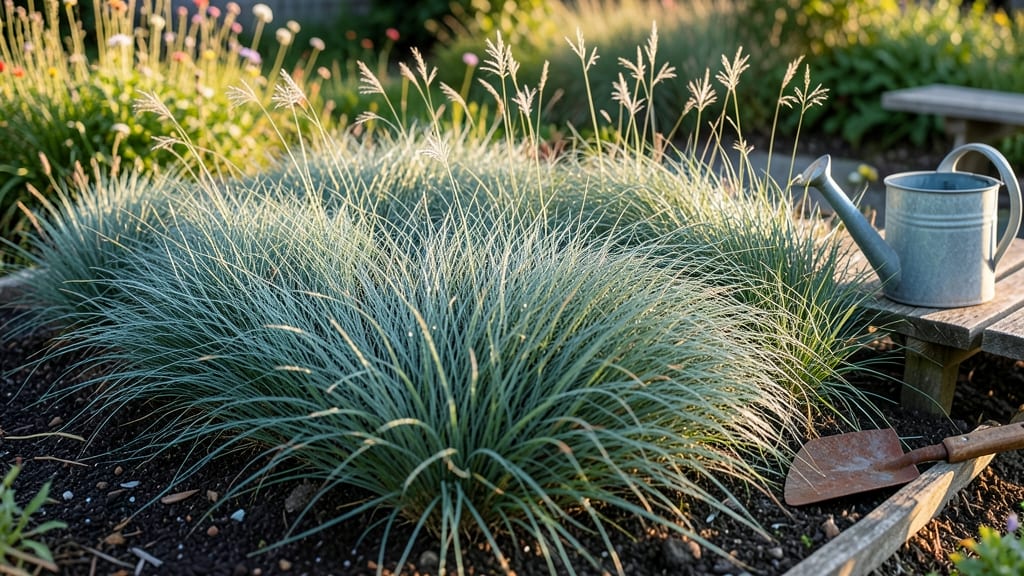
Wondering how tall does buffalo grass grow? It typically reaches 6 to 18 inches at maturity—so if you're planning a low-maintenance lawn, this drought-resistant grass could be your perfect fit.
Picture this: a lush, sun-loving lawn that stays green even when water restrictions kick in. That’s the magic of buffalo grass, but its height isn’t one-size-fits-all. Some types, like 'Turffalo', max out around 12 inches, while native strains can stretch closer to 18 inches in ideal climates.
Climate plays a huge role—cooler zones like USDA 6a may see shorter growth, while warmer regions encourage taller, denser blades. Whether you're aiming for a short, golf-course look or a taller, ornamental patch, understanding these factors will help you set the right expectations.
Below, I’ll break down how to manage its height—from mowing tips to seasonal adjustments—so you can keep your buffalo grass looking its best without overworking the lawn.


Buffalo grass height by variety: mature growth ranges for common types
Choosing the right buffalo grass variety depends heavily on your desired mature height and climate. Native types like Bouteloua dactyloides can reach 12–18 inches in ideal conditions, but modern hybrids like 'Turffalo' stay shorter at 4–6 inches.
Understanding these differences helps you select the perfect fit for your lawn or landscape.
Most gardeners focus on three key varieties—'Turffalo', 'Cody', and native prairie types—each offering unique growth habits. 'Turffalo', for example, was bred specifically for low-maintenance lawns, while native strains thrive in drought-prone regions but may grow taller.
Let’s break down the height ranges and best uses for each.
📊 Comparison Table: Buffalo Grass Height by Variety
'Turffalo' is the shortest option, making it ideal for low-maintenance lawns where you want to mow less frequently. Its 4–6 inch height stays well below traditional Kentucky bluegrass, reducing mowing time by up to 50%. This variety also handles foot traffic better than taller types, making it perfect for families with kids or pets.
If you’re aiming for a medium-height grass that still requires minimal upkeep, 'Cody' is an excellent choice.
Growing 6–10 inches tall, it strikes a balance between ornamental appeal and practicality. 'Cody' is often used in pastures and erosion-control projects because its dense root system stabilizes soil while maintaining a manageable height.
For wildscapes or native gardens, traditional native prairie buffalo grass varieties dominate the landscape with heights of 12–18 inches. These types thrive in USDA zones 3–9 and are drought-resistant, making them a favorite for xeriscaping.
Their taller stature also provides excellent wildlife habitat, attracting birds and pollinators.
The 'Prairie' hybrid variety offers a middle-ground solution at 8–12 inches, blending the best traits of native and cultivated types. It’s becoming popular in mixed landscapes where gardeners want a taller, more ornamental look without sacrificing low-water needs.
This variety is particularly well-suited for southeastern and southwestern regions.
When selecting a variety, consider your climate zone and landscaping goals. Cooler northern regions (zones 3–5) may see shorter growth in 'Turffalo' due to slower spring green-up, while warmer southern zones (7–9) can support taller native varieties with minimal care.
Always match your grass type to local conditions for the best results.
Pro tip: If you’re unsure which variety to choose, start with 'Turffalo' for a low-maintenance lawn or native prairie types for wildlife-friendly gardens. Both options require minimal watering and fertilizer, making them ideal for eco-conscious gardeners. 🌱
How climate zones affect buffalo grass height and growth patterns
Buffalo grass (Buchloe dactyloides) thrives across USDA hardiness zones 3–9, but its height and growth patterns shift dramatically depending on where you live. In colder zones like 3–5, it stays shorter—typically 6–12 inches tall—due to winter dormancy.
Meanwhile, in warmer zones 8–9, it can reach 12–18 inches with continuous growth. Understanding these climate-driven differences helps you set realistic expectations for your lawn or landscape.
In cooler climates (zones 3–5), buffalo grass enters dormancy by late fall, turning brown and slowing growth until spring. This dormancy keeps it compact, rarely exceeding 10 inches even in ideal conditions.
Gardeners in these zones often mow less frequently because the grass naturally stays low during winter months. The trade-off? Slower spring green-up compared to warmer regions.
In warmer climates (zones 6–9), buffalo grass grows taller and stays green longer. Varieties like 'Turffalo' can hit 14–18 inches in zone 8 or 9, especially with adequate water.
The longer growing season means less dormancy, but heat stress in zones 9–10 can cause it to go dormant in summer unless you provide shade or extra water. This is why mowing height adjustments are critical—higher settings in hot zones prevent scalping and encourage deeper root systems.
Cold tolerance is buffalo grass’s superpower in zones 3–5, where it survives winters with no snow cover and bounces back in spring. However, overwatering in winter can weaken roots, so let the soil dry slightly between rains.
In contrast, zones 8–9 demand heat adaptation strategies like raising mower blades to 3–4 inches during summer to shade soil and retain moisture. This simple adjustment can prevent heat stress and keep your lawn lush.
Seasonal growth trends also vary by zone. In zones 3–6, buffalo grass grows most actively from May to September, with a sharp slowdown in winter. In zones 7–9, growth is nearly year-round, peaking in spring and fall.
To maximize height potential in warmer zones, avoid heavy foot traffic during summer—this stresses roots and stunts growth. Instead, let it spread naturally for a denser, taller lawn.
If you’re in a transition zone (6–7), expect a hybrid growth pattern: taller in summer but with winter dormancy. Here, fall fertilization (light nitrogen) encourages root depth, helping it handle both heat and cold.
For all zones, soil drainage is non-negotiable—buffalo grass hates soggy roots, which can stunt height and invite disease. Amend clay soil with sand or compost to keep it thriving.