
Lawn
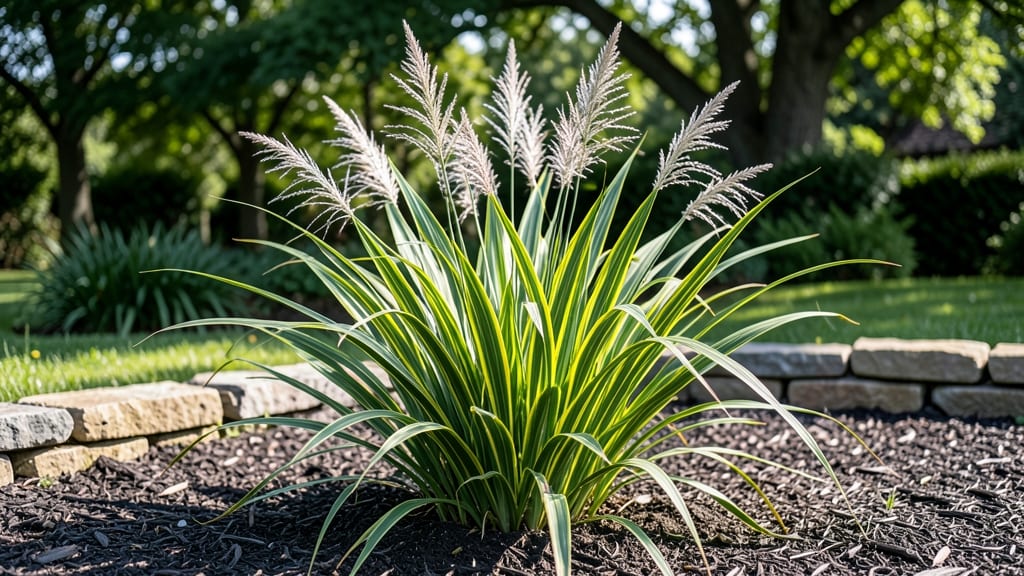
An ornamental grass that does not spread is the secret weapon for clean-lined gardens—no digging up roots or battling rhizomes in sight. 🌿 I’ve spent years hunting for varieties that deliver bold texture without the messy spread, and these clump-forming beauties never disappoint. sight.
The key is choosing the right species: Miscanthus sinensis ‘Zebrinus’ with its golden stripes, Carex oshimensis ‘Evergold’ for shimmering foliage, or Pennisetum ‘Hameln’ for feathery plumes.
These stay neatly contained while adding height, color, and movement to borders, containers, or even small patios. No invasive habits, just year-round interest with minimal fuss.
What you’ll get is a garden that stays tidy while feeling lush and dynamic. The grasses hold their shape naturally (no shearing required), and their colors—from silver-blue to deep burgundy—complement perennials like coneflowers or hostas beautifully. Pair them with slow-spreading perennials to keep the design cohesive.
Here’s the catch: even “non-spreading” grasses can creep if planted too close to edges. I’ll show you how to keep them perfectly behaved for seasons to come—no guesswork, just proven techniques for contained elegance.
📚 In This Guide
- What you need
- Instructions
- Tips and common mistakes
- Wrapping up and next steps
What you need
- ● Ornamental Grass Varieties (Non-Spreading): 1–5 Miscanthus sinensis (e.g., 'Zebrinus' or 'Malepartus') – Clumping, cold-hardy, and striking.
- ● 3–5 Pennisetum alopecuroides (e.g., 'Hameln') – Upright, fountain-like, and non-invasive.
- ● 1–3 Carex oshimensis (e.g., 'Evergold') – Soft, golden-edged, and slow-spreading (but easily contained).
- ● 1–2 Hakonechloa macra (e.g., 'Aureola') – Cascade-style, non-aggressive, and drought-tolerant.
- ● Planting Supplies: 1–2 Garden gloves (nitrile or leather for durability).
- ● 1 Garden trowel (6–8" deep, sturdy handle).
- ● 1 Hand pruners (bypass type for clean cuts).
- ● 1 Measuring tape (10–25 ft) for spacing.
- ● 1 Garden hose or watering can with a fine rose attachment.
- ● Soil & Amendments: Improved garden soil (1–2 cubic yards, depending on area).
- ○ Optional: Compost (1–2 bags, 40 lb each) for nutrient boost.
- ○ Optional: Slow-release fertilizer (e.g., 10-10-10, 1–2 lbs per 100 sq ft).
- ● 1–2 Landscape fabric (if planting near driveways/walkways to suppress weeds).
- ● 1 Mulch (2–3 bags, 2 cubic feet each) to retain moisture.
- ● 1 Plant marker stakes (if labeling varieties).
- ● 1 Wheelbarrow (for hauling soil/amendments).
- ● 1 String & stakes (to outline planting areas for precision).
How to select and plant non-spreading ornamental grasses
Here’s how to bring elegant, low-maintenance grasses into your garden without the invasive mess.
🌱 Step 1: Choose the Right Non-Spreading Varieties
Start with clump-forming grasses that naturally resist runners or rhizomes. My top picks for year-round texture include Miscanthus sinensis 'Zebrinus' (bold striped foliage), Carex oshimensis 'Evergold' (golden-edged, shade-tolerant), and Pennisetum alopecuroides 'Hameln' (compact fountain grass). These stay tidy while adding movement and height to borders or containers.
Check plant tags for "clumping" or "non-invasive" labels—some grasses labeled "ornamental" still spread aggressively. For example, Muhlenbergia capillaris (pink muhly) forms tight clumps but sends up delicate seed plumes that self-seed lightly (easy to remove). Avoid Imperata cylindrica (Japanese blood grass) or Pennisetum setaceum (fountain grass), which spread via rhizomes.
☀️ Step 2: Site Selection for Optimal Growth
Most non-spreading grasses thrive in full sun to partial shade, but specific varieties have preferences. Miscanthus and Pennisetum demand 6+ hours of direct sun for their signature plumes, while Carex and Hakonechloa tolerate morning sun and afternoon shade. Plant in well-draining soil—grasses hate soggy roots—and amend heavy clay with 2-3 inches of compost to improve aeration.
Watch for wind exposure: tall varieties like Miscanthus (4-6 feet) need shelter to prevent flopping. I tuck them behind shrubs or along fences. For smaller grasses like Hakonechloa macra (Japanese forest grass), partial shade protects their delicate blades from winter scorch. Test your spot for 2-3 weeks before planting—grasses reveal their needs through leaf color (pale = more sun, brown tips = too much sun).
🪴 Step 3: Planting for Long-Term Clump Control
Dig holes twice as wide as the root ball but no deeper—grasses hate being buried too low. Space clumping grasses 18-24 inches apart (check tags for mature width) to prevent future crowding. For example, Carex oshimensis stays under 2 feet wide, while Miscanthus can reach 4 feet—give it room to mature without touching neighbors.
Remove the plant from its container and tease apart roots gently if circling the root ball. Place it in the hole so the crown sits at soil level—burying it too deep causes rot, while planting too high stresses the plant. Backfill with native soil, tamp lightly, and water deeply to eliminate air pockets. Mulch with 1-2 inches of shredded bark to suppress weeds and retain moisture (but keep mulch 2 inches away from the crown to prevent rot).
💧 Step 4: Watering and Maintenance for Tidy Growth
Water newly planted grasses once weekly for the first month, soaking the root zone until moisture reaches 6 inches deep. After establishment, most clumpers tolerate drought once rooted—Carex and Hakonechloa stay lush with 1 inch of water every 2 weeks, while Miscanthus thrives with deep watering every 3-4 weeks. Check soil moisture by sticking your finger 2 inches down; if dry, water.
Deadhead spent plumes in late winter (before new growth starts) to keep the plant tidy. For Miscanthus, I leave some plumes for winter interest but trim them down to 6 inches in early spring. Divide clumps every 3-5 years in early spring if the center dies out—dig up the plant, separate the outer sections with a sharp knife, and replant immediately. This rejuvenates growth and prevents overcrowding.
✂️ Step 5: Seasonal Care for Year-Round Appeal
In fall, cut back brown foliage of Miscanthus and Pennisetum to 4-6 inches tall once new growth starts in spring. For Carex and Hakonechloa, leave seed heads for winter texture—birds love them, and the contrast adds visual interest. Apply a balanced fertilizer (10-10-10) in early spring if your soil is poor, but skip fertilizer in well-amended beds to avoid leggy growth.
Watch for rust or leaf spot (brown spots on blades)—these fungal issues thrive in humid conditions. Improve airflow by thinning crowded plants and avoid overhead watering. If you see yellowing leaves, it’s often iron deficiency—apply chelated iron or switch to rainwater (tap water often lacks micronutrients). With proper care, these grasses reward you with low-maintenance elegance and seasonal color without the upkeep of spreading varieties.
Tips & tricks for perfect non-spreading ornamental grass planting
Here's what I've learned from years of keeping ornamental grasses tidy and thriving—no invasive messes allowed.
Variety Selection Wisdom: When choosing your grasses, pay close attention to the plant tags—some "ornamental" grasses still spread aggressively despite marketing claims. For example, Hakonechloa macra (Japanese forest grass) is a fantastic shade-tolerant option that stays completely contained, while Miscanthus sinensis 'Zebrinus' offers dramatic vertical interest without spreading. I always cross-reference with local nursery experts if I'm unsure about a specific variety's growth habit.
Site Testing Before Planting: The 2-3 week test period mentioned in Step 2 is absolutely critical. Grasses reveal their sunlight needs through leaf color—pale leaves indicate they need more sun, while brown tips mean they're getting too much. I've made the mistake of planting Carex oshimensis in full sun before testing, and it ended up with crispy edges. A simple shade cloth test before planting saves you from this frustration.
Planting Depth and Mulching: Getting the crown at soil level is more important than you might think—burying it too deep causes rot, while planting too high stresses the plant. For mulching, I use 1-2 inches of shredded bark but always keep it 2 inches away from the crown to prevent moisture buildup that leads to rot. This small detail makes a big difference in long-term plant health.
Watering Strategy: The initial once-weekly watering for the first month is non-negotiable for establishing strong roots, but after that, most clumping grasses become surprisingly drought-tolerant. I've found that Carex varieties actually prefer slightly drier conditions once established, while Miscanthus rewards deep watering every 3-4 weeks with more dramatic plumes. The key is checking soil moisture 2 inches down—this simple finger test prevents overwatering.
Pro Tips for Ornamental Grass That Does Not Spread
- Here's what I've learned from years of keeping ornamental grasses tidy and thriving—no invasive messes allowed.
- Variety Selection Wisdom: When choosing your grasses, pay close attention to the plant tags—some "ornamental" grasses still spread aggressively despite marketing claims.
- Site Testing Before Planting: The 2-3 week test period mentioned in Step 2 is absolutely critical.
Frequently asked questions
Got questions about keeping your garden tidy with ornamental grasses that won’t take over? We’ve got answers!
Here are some of the most common concerns—plus tips to help you choose and care for the perfect non-invasive varieties.
What are the best ornamental grasses that stay contained?
Look for clumping varieties like Miscanthus sinensis ‘Zebrinus,’ Hakonechloa macra (Japanese forest grass), or Carex oshimensis ‘Evergold.’ These grasses grow in tight, upright clumps instead of spreading via rhizomes or runners. Always check the plant tag for “clumping” or “non-invasive” labels!
How long does it take for ornamental grasses to stop spreading?
Clumping grasses won’t spread at all—ever! If you’re worried about a grass that might spread (like some Pennisetum or Cortaderia varieties), opt for dwarf or sterile cultivars. For true non-spreaders, growth rate depends on the variety, but they’ll stay put in their planted spot with minimal care.
Can I trim ornamental grasses to control their size?
Yes! Most ornamental grasses tolerate light trimming, especially in early spring before new growth starts. Avoid cutting into old foliage—it provides winter interest. For clumping grasses, a simple one-third reduction keeps them neat without harming the plant.
What if my ornamental grass starts spreading anyway?
If you notice unwanted spread, it’s likely a runner-type grass (like Liriope or Mondo grass) sneaking into your clumping choice. Dig up the intruders and replant them elsewhere. For stubborn cases, use a sharp knife to sever underground runners in a 12-inch radius around the plant.
Are there any ornamental grasses that stay small and compact?
Dwarf varieties like Carex ‘Ice Dance’ (6–12” tall), Hakonechloa ‘All Gold’ (12–18” tall), or Miscanthus ‘Malepartus’ (3–4’ tall but narrow) are perfect for small spaces. These stay tidy and add texture without overwhelming your garden.
Still unsure? Start with a single clumping grass in a pot to test its growth habits before planting it permanently!
Wrapping up and next steps
Choosing ornamental grass that does not spread is a game-changer for adding texture and elegance to your landscape—without the hassle of invasive growth. These low-maintenance beauties thrive year-round, offering color, movement, and structure while keeping your garden tidy and intentional.
Whether you’re a busy homeowner or a gardening enthusiast, these grasses deliver effortless style with minimal upkeep!
Ready to transform your outdoor space? Start small: Pick one variety that matches your climate and design vision, then expand as you gain confidence. Happy planting—your garden’s new star is waiting! 🌿✨