
Plants
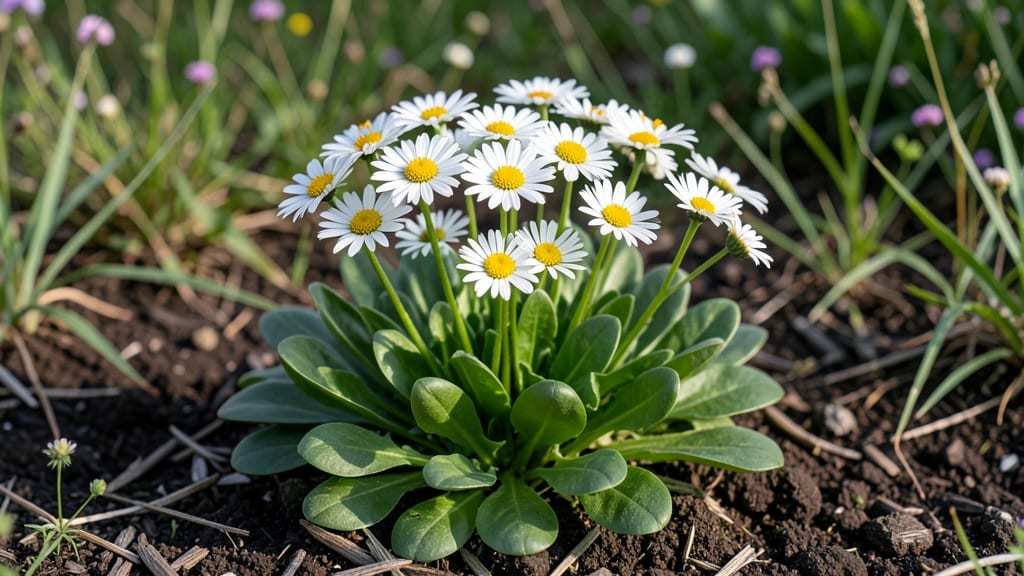
Those little white flowers in grass not clover—wild violets—are the sneaky, cheerful invaders I’ve spent years trying to evict from my lawn. after year. They're not just unsightly; they can outcompete your grass if left unchecked.
Wild violets thrive in shady, moist areas where grass struggles, making them a common lawn nuisance. Their heart-shaped leaves and delicate flowers may look pretty, but they spread aggressively through underground runners. The good news? They're not toxic, so you're not dealing with something dangerous—just something unwanted.
You can tackle them with a combination of hand-pulling (especially in early spring) and spot-treating with vinegar or corn gluten meal to prevent new growth. For a long-term fix, improve your lawn's health with proper mowing, watering, and overseeding in sunny areas where violets hate to grow.
Confession: I used to ignore them, thinking they'd just fade away. Spoiler alert—wild violets don't fade. But with the right approach, you can reclaim your lawn without harsh chemicals. Let's get those violets under control for good.
Natural Triggers Behind Growth
Those delicate little white blooms popping up in your lawn aren’t just random—they’re nature’s way of responding to specific conditions. Understanding why they appear helps you manage (or even welcome!) them in your garden. Here’s the science behind their sudden arrival.
Most white-flowering weeds—like common chickweed or toothwort—follow a seasonal script tied to temperature and moisture. Here’s how it breaks down:
- Cool, damp springs: These plants thrive when winter’s chill gives way to mild, wet weather. Chickweed, for example, germinates best at 50–60°F (10–15°C), often sprouting as soon as soil warms slightly. 🌡️
- Late-winter thaws: A sudden rise in temperatures (like a January warm spell) can trick dormant seeds into germinating prematurely. If frost follows, the seedlings may die—but if conditions stay mild, they’ll take root.
- Shady, moist microclimates: Lawn edges, under trees, or north-facing slopes create ideal hideouts. These spots retain moisture longer, giving white-flowering weeds a head start over grass.
Actionable tip: If you notice blooms in unusually early spring, check your local frost dates. Planting cool-season grasses (like fescue) can outcompete weeds by filling gaps faster.
Healthy lawns are low-maintenance because they’re crowded out by grass. But when soil conditions shift, white-flowering weeds seize the opportunity. Here’s what throws them off balance:
| Soil Factor | How It Helps Weeds | Fix It With |
|---|---|---|
| Low nitrogen | Weak grass can’t outgrow chickweed or speedwell. These plants thrive in poorly fertilized soil. | Apply slow-release nitrogen (like 24-0-4) in early spring. |
| Compacted soil | Compacted layers block grass roots but let weeds’ shallow systems access moisture. | Core aerate in fall to loosen soil and encourage deep grass roots. |
| High phosphorus | Over-fertilizing with phosphorus-heavy blends (e.g., 10-20-10) can promote weeds like white clover’s lookalikes. | Test soil and adjust to a balanced 3-1-2 ratio (N-P-K). |
Pro tip: A thatch layer thicker than ½ inch smothers grass and invites weeds. Dethatch in early spring to restore competition. ✂️
White-flowering weeds often signal overwatering or poor drainage. Here’s how excess moisture plays a role:
- Frequent light watering: Weeds like toothwort need consistent moisture to germinate. Watering daily (or even every other day) keeps soil damp—perfect for their shallow roots. ⏳
- Poor drainage: Areas where water pools (like sloped lawns or low spots) create anaerobic conditions, stressing grass but letting weeds thrive. Speedwell, for example, loves wet, boggy soil.
- Irrigation timing: Watering late in the day leaves grass blades wet overnight, increasing fungal risks and weakening turf—giving weeds an opening.
Solution: Switch to deep, infrequent watering (1–1.5 inches per week) and fix drainage with sand topdressing or swales.
Lawns aren’t just battlegrounds—they’re ecosystems. Any disruption gives weeds a foothold. Common triggers include:
- Foot traffic or pet urine: Compacted or fertilized patches (from dog spots) create high-nitrogen zones where weeds like ground ivy (Glechoma hederacea) spread aggressively.
- Construction or soil disturbance: Digging, aerating, or even over-seeding can uncover dormant weed seeds buried 1–2 inches deep.
- Grass die-off: Fungal diseases (like brown patch) or grub damage kill grass, leaving bare soil for chickweed to colonize.
Preventative move: After disturbing soil, apply a pre-emergent herbicide (like pendimethalin) to block weed seeds from sprouting. 🛡️
Weeds don’t appear out of nowhere—they hitchhike in on:
- Wind-blown seeds: Plants like hairy bittercress release thousands of tiny seeds that travel up to 50 feet on breezes.
- Animal dispersal: Birds, squirrels, and even your dog’s paws spread seeds from neighboring properties or wild areas.
- Contaminated soil/mulch: Bagged topsoil, compost, or even straw mulch can harbor dormant weed seeds.
- Water runoff: Seeds from gardens or roadsides can wash into lawns during heavy rains.
Defense strategy: Create a 3-foot mulch barrier of wood chips or gravel around garden edges to block seed drift. 🏡
Quick Fixes for Tiny White Blooms
Those delicate little white flowers popping up in your grass—whether they’re wild violets, chickweed, or another unexpected guest—don’t have to take over your yard. With the right approach, you can manage them effectively while keeping your lawn healthy and vibrant.
Below, we’ll tackle the most common causes and provide simple, actionable solutions to reclaim your grass.
Wild violets are hardy and persistent, but they can be controlled with a mix of manual and natural methods.
🔥 Pull Them by Hand (Best for Small Patches)
- When to do it: Early morning or after rain when soil is soft.
- How to do it: Grab the flowers at the base and gently tug upward. The entire root should come out easily—if not, use a trowel to loosen it.
- Pro tip: Wear gloves to avoid skin irritation from sap.
🍳 Vinegar Spray (Natural & Fast)
- Mix: 1 gallon of white vinegar + 1 cup dish soap + 1 cup salt.
- Apply: Spray directly on leaves (avoid desirable plants). Reapply every 3–5 days until they wilt.
- ⚠️ Warning: This kills all plants it touches, so use carefully in sunny spots.
👨🍳 Pre-Emergent Herbicide (For Large Areas)
- When to apply: Early spring before violets sprout.
- How to apply: Follow product instructions for even coverage.
- Best for: Lawns where manual removal isn’t practical.
Chickweed and similar broadleaf weeds thrive in moist, shaded areas. Here’s how to outsmart them:
🥘 Mow Regularly (Prevents Seed Spread)
- Height: Keep grass at 3–4 inches to block sunlight.
- Frequency: Mow weekly during growing season.
- 💡 Pro tip: Bag clippings to prevent reseeding.
🔪 Corn Gluten Meal (Organic Barrier)
- How it works: Blocks weed seeds from germinating.
- Apply: Spread 20 lbs per 1,000 sq ft in early spring.
- Bonus: Also fertilizes grass naturally.
🌡️ Improve Soil & Grass Health (Long-Term Fix)
- Test soil: Check pH and nutrients (ideal lawn pH: 6.0–7.0).
- Aerate: Reduces compaction, helping grass outcompete weeds.
- Overseed: Thick grass crowds out intruders.
- 🌱 Choose shade-tolerant grass (like fine fescue) if your yard is low-light.
- 💪 Water deeply but less often to encourage deep grass roots.
- ✨ Mulch garden beds to suppress weed seeds naturally.
With a little persistence, those tiny white blooms won’t stand a chance against a lush, healthy lawn. Try one method at a time and adjust based on your yard’s needs!
Frequently asked questions
Are these white flowers actually harmful to my lawn?
Most common white-flowering weeds like wild violets or chickweed aren't toxic, but they do compete with grass for nutrients and sunlight. Their aggressive spread can thin out your lawn over time, making it look patchy. The real issue is their persistence—they'll take over if left unchecked, especially in shady or damp areas where grass struggles.
What's the fastest way to get rid of them without chemicals?
For immediate results, try a homemade vinegar spray (1 gallon vinegar + 1 cup dish soap + 1 cup salt) applied directly to the leaves. Reapply every 3-5 days until they wilt. For long-term prevention, hand-pulling in early spring (when soil is soft) works best—just grab the base and tug gently. The key is consistency, as these weeds regrow quickly from roots or seeds.
Why do they keep coming back even after I remove them?
These weeds spread through both seeds and underground runners. A single plant can produce thousands of seeds that stay dormant in soil for years, while roots can regenerate from tiny fragments. The best approach combines removal with prevention: improve your lawn's health through proper mowing, watering, and fertilization to crowd out new growth.
Can I use these flowers for anything besides removing them?
Wild violets and similar flowers have practical uses. Their leaves make excellent edible greens (cook like spinach), and the flowers can be used in teas or salads. Chickweed is also edible and has soothing properties for skin irritations. Just be sure to identify them correctly first—some lookalikes may be toxic. Always harvest from pesticide-free areas.
Will my dog get sick if they eat these white flowers?
Most common white-flowering lawn weeds aren't poisonous to dogs, but some like wild garlic or ground ivy can cause mild stomach upset. The bigger concern is that these plants may harbor pesticides if your lawn was treated. To be safe, monitor your dog after they eat unfamiliar plants and consult your vet if you notice vomiting, diarrhea, or lethargy. Always keep your lawn chemical-free if pets frequent it.