
Lawn
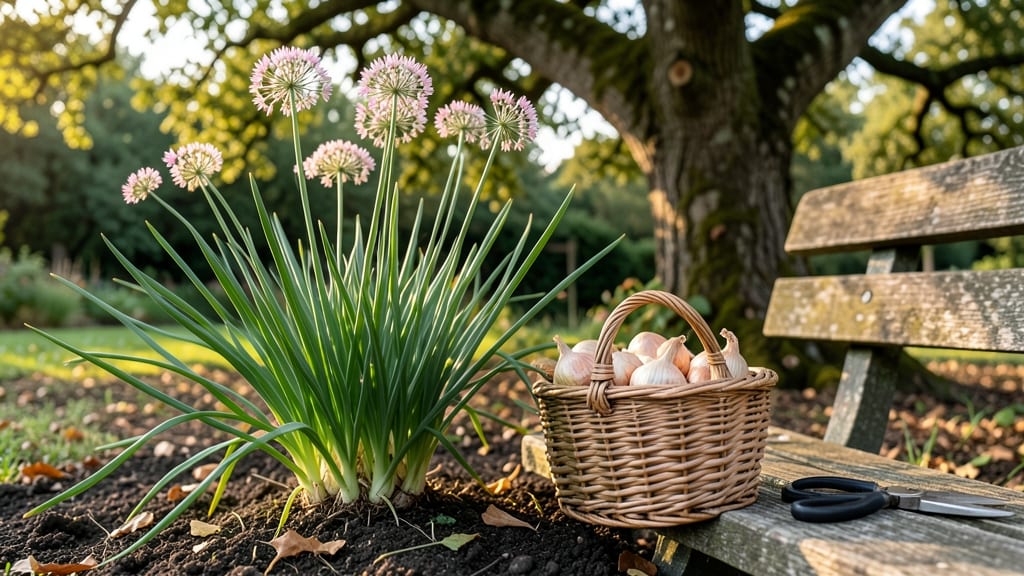
Wild onion grass is edible when properly identified, offering a mild onion-like flavor and nutritional benefits like vitamins A and C, but misidentification with toxic look-alikes can pose serious health risks.
You can safely eat wild onion grass once you're certain it's not confused with dangerous plants like death camas or wild garlic. 🌱 The key is recognizing its flat, grass-like leaves and round bulbs—both essential for accurate identification.
Many foragers swear by the scent test: crushing a leaf should release a strong onion aroma, not a bitter or soapy smell. I've used it in soups and salads, but always harvest from pesticide-free areas to avoid contamination.
This plant thrives in sunny lawns and meadows, making it a common "weed" that's actually a nutritional powerhouse. The leaves contain more vitamins than the bulbs, so I recommend harvesting young shoots for the best flavor.
Just remember: never eat anything you haven't positively identified, as some toxic look-alikes can cause severe gastrointestinal distress.
💡 In This Article
- Identifying Edible Wild Onion Grass vs Toxic Look-Alikes
- Safe Harvesting and Culinary Uses of Wild Onion Grass
Identifying edible wild onion grass vs toxic look-alikes
Wild onion grass (Allium canadense) belongs to the Allium family, sharing its edible traits with cultivated onions and garlic. The key visual identifier is its flat, hollow leaves that grow in clusters from a round, papery white bulb—similar to a small onion.
These leaves typically measure 1/8 to 1/4 inch wide and grow 12-24 inches tall, with a smooth, slightly waxy texture. The bulb itself sits just below the soil surface, about 1-2 inches in diameter, and has a papery skin that peels easily. 🌱
The scent test is your best defense against toxic look-alikes. Crush a leaf between your fingers—if it releases a strong, sharp onion or garlic aroma (similar to 1/4 teaspoon of onion powder), it's safe.
Toxic plants like death camas (Zigadenus spp.) or wild garlic (Alliaria petiolata) either lack this scent or produce a bitter, soapy, or rotten smell.
Death camas, for example, has thicker, solid stems and leaves that don't produce an onion aroma, while wild garlic bulbs are longer and more irregular in shape.
Leaf arrangement is another critical clue. Wild onion grass grows in radial clusters from the bulb, while many toxic plants have alternate or spiral leaf patterns.
The bulb's position matters too: wild onion grass bulbs sit just below the soil surface, whereas death camas bulbs grow deeper and have a bulb-like but solid, not layered structure.
Always dig up the entire bulb to confirm—never rely on leaves alone, as some toxic plants mimic the leaf shape. 🔍
Color variations can also help: wild onion grass leaves are usually a bright green, while stressed or dying plants may turn yellow or brown. The bulb's papery skin should be white or light tan—any dark spots or mold indicate spoilage.
If you're unsure, compare your find to a trusted guide or consult a local foraging expert, as regional variations exist. Remember, some toxic plants only show symptoms hours after ingestion, making accurate identification non-negotiable.
Seasonal growth patterns provide additional confirmation. Wild onion grass emerges early in spring (March-April in most climates) and grows rapidly until late summer. The bulbs are most flavorful when harvested in early spring before the plant bolts, while leaves remain tender year-round.
If you find a plant growing in late summer with thick, woody stems, it's likely past its prime for eating and may be harder to identify accurately. 🌿
For a foolproof test, try the crush-and-taste method on a tiny piece of leaf or bulb (after confirming the scent). Start with a pinch-sized amount—wild onion grass has a mild, sweet-onion flavor, while toxic plants often leave a lingering bitter or metallic taste.
If you experience any burning sensation, nausea, or dizziness, seek medical attention immediately, as symptoms can escalate quickly. Always harvest from areas free of pesticides, herbicides, or pollution to ensure safety. 🚨
Consider these key factors when identifying:
- Leaf shape: Flat, hollow, and 1/8-1/4 inch wide, growing in radial clusters
- Bulb structure: Round, papery, and 1-2 inches in diameter, sitting just below soil
- Scent test: Strong onion/garlic aroma when crushed
- Growth season: Emerges in early spring, grows rapidly until late summer
- Color: Bright green leaves, white or light tan bulb skin