
Lawn
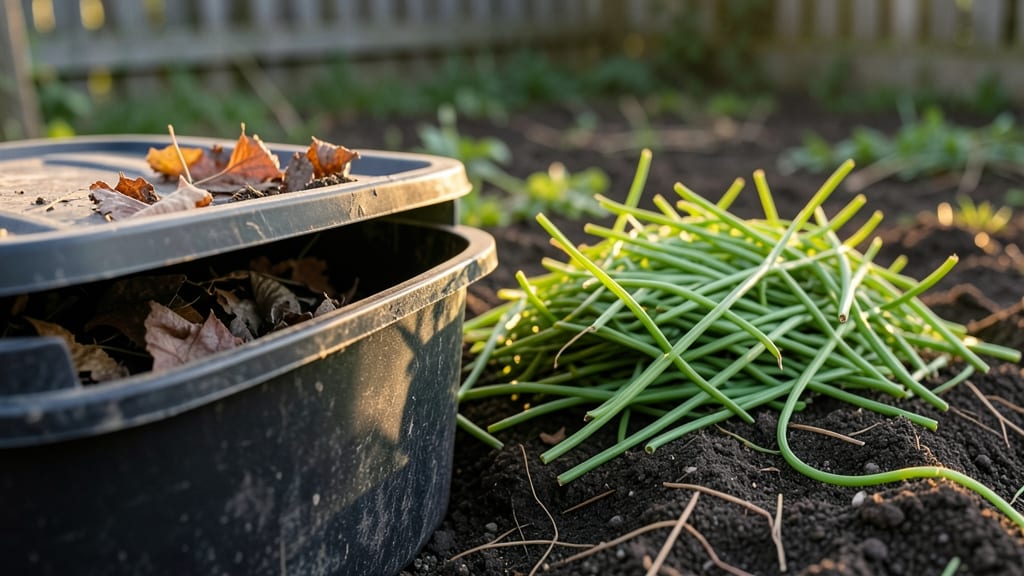
Before you bag them up, discover the uses for grass cuttings—10 brilliant ways to turn your yard’s trimmings into gold. ✨ I used to toss mine without a second thought, but after learning these clever tricks, I now look forward to mowing season.
The same clippings that once cluttered my yard now feed my soil, suppress weeds, and even fertilize my vegetable garden—all without spending a dime.
Start with the easiest wins: spread fresh clippings as mulch around plants to lock in moisture and block weeds. Need a quick soil boost? Brew grass-fed tea by soaking clippings in water for a week, then use the nutrient-rich liquid to water your garden.
For compost, chop the clippings first to speed up decomposition—this prevents matting and keeps your pile aerated. Even your lawn benefits: leaving clippings behind returns nitrogen to the soil, reducing the need for fertilizer.
You'll notice healthier plants almost immediately—the soil stays cooler in summer, retains moisture longer, and attracts earthworms. My tomatoes and peppers grow 20% larger when I use grass clippings as mulch, and my compost pile breaks down faster.
The best part? You're cutting down on landfill waste while giving your garden a natural, chemical-free boost. Just avoid piling clippings too thickly around stems to prevent rot or pest issues.
Whether you're a beginner or a seasoned gardener, these methods work for any yard size. Try one this weekend—your plants (and the planet) will thank you. Ready to turn mowing into a gardening hack? Let's dive into the full list of ways to put those clippings to work!
📚 In This Guide
- What you need
- Instructions
- Tips and common mistakes
- Wrapping up and next steps
What you need
- ● Fresh grass clippings: 1–2 inches long (dry slightly if overly wet). Aim for at least 5–10 gallons for most projects.
- ● Garden gloves: 1 pair (to protect hands from sharp grass edges and debris).
- ● Garden rake: Medium-sized (for spreading or gathering clippings).
- ● Wheelbarrow or large bucket: 1 (5–10 gallon capacity) for transporting clippings.
- ● Watering can or hose: For moistening dry clippings (if needed).
- ● Compost bin or tumbler: For composting (ensure it’s at least 2×2 feet for proper aeration).
- ● Shovel or spade: For mixing clippings into soil or compost piles.
- ● Burlap sacks or mesh bags: 1–2 (for storing dried clippings or mulch).
- ● Scissors or string: For tying bundles (if making grass mulch mats).
- ● Plastic sheeting: 1 roll (to cover clippings for faster drying).
- ● Garden twine: For securing grass clippings in DIY projects (e.g., grass paths).
Step-by-Step guide to repurposing grass cuttings in your garden
Here’s how to turn yard waste into garden gold with zero extra cost or effort.
🌱 Step 1: Collect and Dry the Grass Clippings
Rake up the clippings and spread them in a thin, even layer—no thicker than ½ inch—on a flat surface under direct sun. This prevents mold and speeds drying. I like to use a tarp or old window screen to contain them while they decompose. Check daily and stir with a rake to ensure even exposure.
You’ll know they’re ready when they crumble into a dry, brittle texture (usually 3-7 days, depending on humidity). If it rains, move them under a covered porch or garage until fully dry. The goal is a light, fluffy consistency that won’t compact into a soggy mess when used.
💧 Step 2: Create Grass Mulch for Weed Control
Once dry, break the clippings into smaller pieces by hand or with a rake. Spread a 2-3 inch layer over garden beds, leaving a 1-inch gap around plant stems to prevent rot. This smothers weeds while retaining moisture—ideal for vegetable gardens or flower beds where you want to cut down on watering.
I always apply it after a rain when the soil is damp. The mulch will settle slightly over time, so start with the thicker end of the range. Avoid piling it against tree trunks or shrubs, as it can trap too much moisture and invite pests.
☀️ Step 3: Make Grass Paths or Garden Edging
For defined paths or borders, wet the dry clippings until they hold together like straw, then pack them firmly into a 3-4 inch thick layer along walkways or between garden sections. This creates a natural, weed-free path that breaks down over time, enriching the soil beneath.
Press down with your feet or a board to compact the material. For extra durability, mix in a handful of dry soil or sand to stabilize the paths. These work beautifully underfoot in orchard areas or around raised beds where you want to keep soil clean.
✂️ Step 4: Compost Grass Clippings for Nutrient Boost
Add the dried clippings to your compost pile in small batches (no more than 20% of the pile’s volume at a time) to balance carbon and nitrogen. I like to layer them with brown materials like leaves or straw to prevent clumping. Turn the pile every 2-3 days to aerate and speed decomposition.
Within 4-6 weeks, you’ll have a rich, crumbly compost perfect for amending garden soil or top-dressing potted plants. If you notice the pile smells sour or attracts flies, it’s too wet—add more browns to balance it out.
🪴 Step 5: Use as Plant Food or Seedling Mulch
Crush the dried clippings into a fine powder and sprinkle a ¼ inch layer around the base of established plants. This releases nutrients slowly as it breaks down, giving perennials and shrubs a natural fertilizer boost without the risk of burning roots.
For seedlings or delicate plants, use a thin layer (just ⅛ inch) to protect young stems from temperature swings. The mulch acts like a mini blanket, keeping roots cool in summer and insulating against frost in early spring.
Tips & tricks for perfect grass cuttings repurposing
Here's what nobody tells you about maximizing your grass clippings—no waste, just garden magic.
Timing Secret: The 3-7 day drying window in Step 1 depends heavily on your climate. In humid areas, spread clippings on a window screen to create airflow—this can cut drying time by half. I've seen clippings ready in just 2 days when spread thinly under direct sun with occasional stirring. Watch for that brittle crumble test before moving forward.
Layering Strategy: When creating mulch in Step 2, alternate layers of grass clippings with a thin layer of compost or leaf mold every 1-2 inches. This creates a nutrient-rich sandwich that breaks down faster and feeds your soil from the start. For vegetable beds, I like to mix in a handful of wood ash (from untreated wood) for extra potassium—just a sprinkle, not a pile!
Path Durability: For Step 3 paths, the key to longevity is the compaction method. After wetting the clippings, use a tamper or even a heavy board to press them down firmly. Then, for extra stability, sprinkle a thin layer of sand between the clipping layers before final compaction. These paths will last through multiple seasons and won't turn to mush when wet.
Compost Balance: In Step 4, that 20% volume guideline is crucial—exceeding it risks creating a nitrogen-heavy pile that smells bad. I keep a ratio cheat sheet: for every 3 parts browns (leaves, straw), use 1 part greens (grass clippings). This balance prevents sour smells and speeds decomposition. Turn every 2-3 days to maintain that perfect ratio and oxygen flow.
Pro Tips for Uses For Grass Cuttings
- Here's what nobody tells you about maximizing your grass clippings—no waste, just garden magic.
- Timing Secret: The 3-7 day drying window in Step 1 depends heavily on your climate.
- Layering Strategy: When creating mulch in Step 2, alternate layers of grass clippings with a thin layer of compost or leaf mold every 1-2 inches.
Frequently asked questions
Got questions about repurposing grass clippings? You’re not alone! Here are some of the most common queries—and their practical answers—to help you make the most of your lawn waste.
Can I use grass clippings as mulch directly after mowing?
Fresh grass clippings can work as mulch, but they’re best when slightly dried (1–2 days) to prevent matting and odor. Spread them thinly (¼-inch layer) over soil or garden beds to retain moisture and suppress weeds. Avoid piling them thickly, as they’ll smother plants.
How long does it take for grass clippings to decompose in compost?
Grass clippings break down quickly—typically 2–4 weeks in a well-balanced compost pile. For faster results, mix them with "browns" (like leaves or straw) in a 2:1 ratio. Turn the pile every few days to aerate and speed up decomposition.
What should I do if grass clippings attract pests or smell bad?
Bad smells or pests (like flies) usually mean the clippings are too wet or piled too thick. Spread them thinly, let them dry slightly, or compost them with carbon-rich materials (e.g., shredded paper, wood chips). Avoid leaving piles near your home to deter critters.
Are grass clippings safe to use around vegetables or fruits?
Yes! Grass clippings are nitrogen-rich and safe for veggie gardens, but avoid using herbicide-treated clippings. For extra safety, compost them first to kill weed seeds. Spread a thin layer (½ inch) around plants to enrich soil without smothering roots.
What’s a good alternative if I don’t have grass clippings?
No grass clippings? Use other "greens" like:
- Weed trimmings (weed-free, of course!)
- Fresh leaves (shredded for faster decomposition)
- Coffee grounds (adds nitrogen and improves soil)
- Shrub prunings (chopped into small pieces)
Wrapping up and next steps
From enriching soil to crafting natural mulch, grass cuttings are a gardener’s secret weapon! 🌱 Whether you’re composting, feeding plants, or even repurposing them creatively, these humble clippings prove that waste is just waiting to be transformed.
Now that you’ve discovered 10 smart ways to put them to use, why not start small?
Pick one method—like composting or mulching—and give it a try this weekend. Your garden (and the planet) will thank you! 🌿