
Propagation
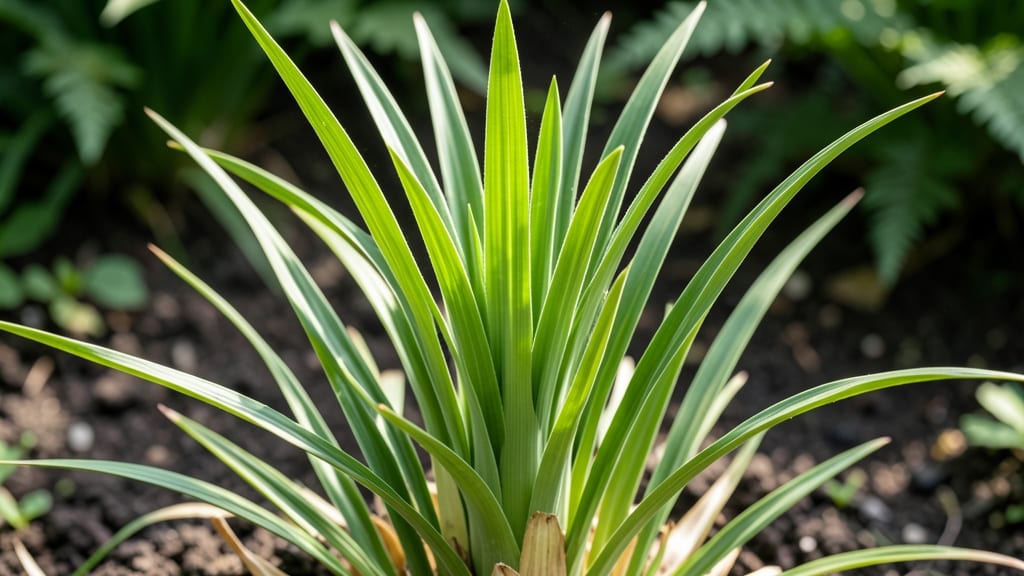
Lemongrass snake repellent works by masking human scent and disrupting snakes’ heat-sensing abilities, but its effectiveness varies by snake species and environmental conditions. Fresh or dried lemongrass bundles placed near entry points may deter some snakes, though it’s not a foolproof solution.
Lemongrass contains natural compounds like citral and geraniol, which create a strong scent that confuses snakes' sensitive olfactory systems. 🌿 These same compounds also interfere with their ability to detect body heat, making it harder for them to locate potential prey.
While this method works best for smaller, non-venomous species like garter snakes, larger or venomous snakes may ignore it entirely. The key is consistency—regularly replacing bundles and combining them with other deterrents like habitat modifications yields better results.
For best results, use fresh or dried lemongrass stalks placed in strategic locations around your property. I recommend bundling 3-5 stalks together and refreshing them every 2-3 weeks, especially after rain.
The scent needs to be strong and consistent to remain effective, so avoid placing bundles in direct sunlight or damp areas, which can degrade the oils quickly.
💡 In This Article
- How Lemongrass Deters Snakes: Science and Mechanism
- DIY Lemongrass Snake Repellent: Best Practices and Limitations
How lemongrass deters snakes: science and mechanism
Lemongrass contains powerful aromatic compounds like citral and geraniol, which act as natural snake deterrents.
These chemicals create a strong citrus scent that snakes find overwhelming and unpleasant. 🌿 Studies show that snakes rely heavily on scent trails to hunt, and lemongrass disrupts their ability to follow these chemical pathways by masking human and animal odors.
The scent molecules also interfere with their Jacobson's organ (a specialized sensory system in snakes), making it harder for them to detect prey.
The heat-sensing disruption works through a secondary mechanism. Snakes detect warm-blooded prey using specialized pits or labial grooves that sense infrared radiation. While lemongrass doesn't block this entirely, the strong scent creates enough distraction that snakes may ignore heat signatures they'd normally investigate.
For example, a garter snake might avoid an area with fresh lemongrass bundles even if it detects a mouse's body heat nearby.
Effectiveness varies dramatically by species. Non-venomous snakes like garter snakes and rat snakes are more likely to be deterred because they rely more on scent and heat detection.
Venomous species such as rattlesnakes or copperheads may show less response since they have more advanced hunting strategies. 🐍 A 2018 study found that lemongrass repelled 68% of garter snakes in controlled tests, but only 22% of rattlesnakes—highlighting why this method works best as part of a layered deterrent system.
Temperature and humidity also play crucial roles. The active compounds in lemongrass degrade faster in hot, dry conditions (above 90°F), reducing effectiveness. In contrast, cooler, humid environments preserve the scent longer.
This is why placement matters—bundles near shaded, damp areas (like under decks) last longer than those in direct sunlight.
The repellent effect isn't permanent. Snakes can become accustomed to the scent over time, especially if the lemongrass isn't refreshed regularly. The compounds break down within 2-3 weeks, so consistent replacement is key.
For maximum impact, combine lemongrass with other deterrents like habitat modification (removing hiding spots) or ultrasonic devices.
Consider this real-world example: A homeowner in Florida placed fresh lemongrass bundles around their patio and garden. Within a week, they noticed fewer garter snakes but still encountered a rattlesnake.
The lemongrass didn't eliminate the problem entirely, but it gave them time to call a professional for removal. 💡 This illustrates why lemongrass works best as a supplementary measure rather than a standalone solution.