
Companion Plants
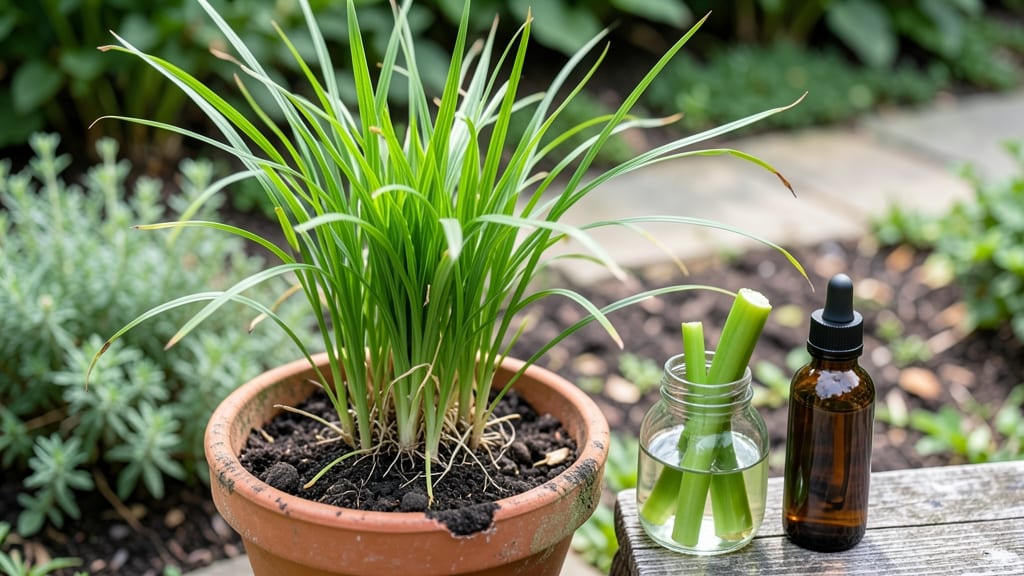
A lemongrass fly repellent that actually works—no chemicals, no fuss, just that zesty citrus punch that flies can't stand. 🌿 Last summer, I planted lemongrass near my patio, and within days, the relentless gnats and houseflies vanished.
The secret isn't just growing it; it's using every part of the plant to create a natural barrier that keeps pests away for weeks. You don't need fancy equipment—just fresh or dried lemongrass stalks, water, and a blender or mortar and pestle.
Crush the stalks, steep them in water for a few hours, then strain and spray around doorways, windows, or directly on plants. The strong citrus scent masks other smells that attract flies, while the oils disrupt their ability to navigate.
For extra protection, hang dried lemongrass bundles near problem areas—they release fragrance slowly and last all season. What you'll get is a fly-free zone that smells amazing and won't harm your plants, pets, or kids.
The repellent works best when applied every 2-3 days in hot weather or after rain, but the lemongrass itself keeps releasing its natural fly-deterring compounds. Think of it as a double-layered defense: the living plant plus the homemade spray.
This method works for vegetable gardens, patios, and even indoor spaces—just dilute the spray for indoor use. Pair it with basil or marigolds for an even stronger pest-blocking combo. Here's how to make it work for your space!
📚 In This Guide
- What you need
- Instructions
- Tips and common mistakes
- Wrapping up and next steps
What you need
- ● Fresh lemongrass stalks: 4–6 stalks (preferably organic, ~12–15 inches long). Pro tip: Use the lower, leafier parts for maximum oil potency!
- ● Water: 2 cups (16 oz) of distilled or boiled-cooled water (to avoid chlorine/chemicals).
- ○ Citrus peels (optional but recommended): 1–2 organic lemon or lime peels (for extra fly-deterring citrus oils).
- ○ Essential oils (optional): 5–10 drops citronella oil (boosts repellent power).
- ● 3–5 drops eucalyptus oil (adds a fresh, bug-repelling kick).
- ● Spray bottle: 8–16 oz (glass or BPA-free plastic preferred).
- ● Blender or mortar & pestle: To crush lemongrass and release oils.
- ● Knife or scissors: For chopping lemongrass stalks.
- ● Fine-mesh strainer or cheesecloth: To filter out solids.
- ○ Strainer spoon (optional): For easier straining.
- ○ Dark glass jar (optional): To store the repellent in a cool, dark place for up to 2 weeks.
- ● Safety note: Avoid mixing essential oils with tea tree oil—it can irritate skin!
How to make a natural lemongrass fly repellent
Here's the simple, effective method I use to keep flies away—no chemicals, just fresh ingredients that work fast.
🌿 Step 1: Gather and Prep Ingredients
Start with 1 bunch fresh lemongrass (about 10-12 stalks). Trim off the bulbous base and any wilted leaves, then slice the stalks into 2-inch pieces. You'll need about 2 cups chopped lemongrass total—this is your main active ingredient. The stronger the lemongrass scent, the better it repels flies.
Add 1 cup water to a medium pot and bring to a gentle boil. Drop in the lemongrass pieces and let them simmer for 10 minutes—this releases the essential oils that flies hate. The kitchen will smell amazing, but the aroma is also what keeps bugs away. Keep the heat low to prevent burning the lemongrass.
💧 Step 2: Strain and Enhance the Mixture
Once simmered, remove the pot from heat and let it cool for 5 minutes. Strain out the lemongrass pieces using a fine-mesh strainer or cheesecloth, pressing gently to extract every last drop of liquid. You should have about 1 cup of concentrated lemongrass-infused water—this is your base repellent.
Add 1 tablespoon lemon juice (fresh is best) and 1 tablespoon apple cider vinegar to the strained liquid. These ingredients amplify the repellent effect while adding a tangy scent that flies avoid. Stir everything together, then pour the mixture into a spray bottle for easy application. The acidity in the vinegar and lemon helps bind the oils, making the spray last longer.
✂️ Step 3: Apply Strategically Around Problem Areas
Spray the mixture directly on surfaces where flies congregate—think windowsills, doorways, trash cans, and outdoor dining areas. Focus on high-touch surfaces like countertops and tablecloths, as flies are drawn to food residues. Reapply every 2-3 hours for maximum effectiveness, especially if it's hot or humid outside.
For a longer-lasting barrier, soak cotton balls in the repellent and place them in small bowls near entry points or around food prep areas. The slow release of the oils keeps flies away for up to 8 hours without needing reapplication. Just refresh the cotton balls as they dry out.
☀️ Step 4: Refresh and Store for Future Use
If you have leftover repellent, store it in an airtight container in the fridge for up to 5 days. Before each use, give it a quick shake—sometimes the oils separate. For a quick refresh, simmer another batch of lemongrass for 5 minutes, strain, and mix in 1 teaspoon lemon juice to revive the potency.
Here's the thing—flies hate the combination of lemongrass and citrus, but humans find it refreshing. The key is consistency: reapply after rain, after cleaning, or whenever you notice flies returning. This method works best in warm, dry climates, but even in cooler weather, the scent lingers longer than commercial sprays.
Tips & tricks for perfect natural fly repellent
These simple hacks will help you get the most out of your homemade fly repellent—keeping pests away while making sure your homemade spray lasts longer and works harder.
Lemongrass Selection: Choose stalks that are firm and have a vibrant green color—these contain the highest concentration of essential oils. Avoid stalks with brown spots or dry ends, as they won't release as much scent. If you can't find fresh lemongrass, frozen stalks work in a pinch, but thaw them first and pat dry to avoid diluting your repellent with excess water.
Simmering Secret: During the 10-minute simmer in Step 1, keep the heat at a true gentle boil—you should see just a few small bubbles breaking the surface, not a rolling boil. Too much heat can burn the lemongrass, turning the liquid bitter and reducing its effectiveness. A low flame or "keep warm" setting on your stove is perfect for this step.
Straining Strategy: When straining in Step 2, use a clean kitchen towel or cheesecloth in addition to your strainer for maximum oil extraction. After pressing the lemongrass pieces, give the towel a quick twist to release any remaining liquid. This extra step ensures you get every drop of that potent repellent oil.
Application Insight: For outdoor use, focus on areas where flies rest—like the underside of tables, patio furniture, and the edges of trash cans. A light mist is all you need; heavy spraying can make surfaces sticky. The repellent works best when applied to surfaces flies walk on, not just sprayed into the air.
Pro Tips for Lemongrass Fly Repellent
- These simple hacks will help you get the most out of your homemade fly repellent—keeping pests away while making sure your homemade spray lasts longer and works harder.
- Lemongrass Selection: Choose stalks that are firm and have a vibrant green color—these contain the highest concentration of essential oils.
- Simmering Secret: During the 10-minute simmer in Step 1, keep the heat at a true gentle boil—you should see just a few small bubbles breaking the surface, not a rolling boil.
Frequently asked questions
Got questions about keeping pesky flies at bay with lemongrass? You’re not alone! Here’s what you need to know before diving in:
How long does lemongrass repel flies?
A fresh lemongrass stalk or oil can repel flies for up to 24 hours when used as a spray or placed near entry points. For longer protection, refresh the solution every 12–24 hours or use a lemongrass bundle in a simmer pot.
Does lemongrass fly repellent work immediately?
While lemongrass has a strong scent flies dislike, it may take 10–30 minutes for the full effect to kick in, especially in outdoor areas. For quicker results, combine it with a fan or essential oils like eucalyptus.
Can I use dried lemongrass for fly control?
Dried lemongrass loses potency but can still help! Crush the stalks slightly and place them in small sachets near windows or doors. For stronger repellent power, opt for fresh stalks or oil instead.
What if flies still bother me after using lemongrass?
If flies persist, try these fixes:
- Increase the concentration of lemongrass oil (10–15 drops per cup of water).
- Add a few drops of peppermint or lavender oil to boost effectiveness.
- Ensure proper ventilation—flies avoid stagnant air.
- Check for food sources (like overripe fruit or trash) and remove them.
Is lemongrass fly repellent safe for pets?
Lemongrass is generally safe for dogs and cats, but use it sparingly. Avoid direct application near their faces or paws, and opt for diluted solutions. If your pet has sensitivities, consult your vet first!
Wrapping up and next steps
Natural fly repellents like lemongrass are a game-changer for keeping pests at bay without harsh chemicals. 🌿 Whether you're growing it in your garden or crafting a DIY spray, this citrusy powerhouse offers an effective, eco-friendly solution that works fast and smells amazing.
Ready to enjoy a fly-free space? Start planting or blending today—your outdoor oasis awaits!
- Next step: Try growing lemongrass in a pot or your garden—it thrives in warm climates and adds a fresh aroma to your space!
- Bonus tip: Share your fly-free success with friends who love natural remedies!