
Neem Oil
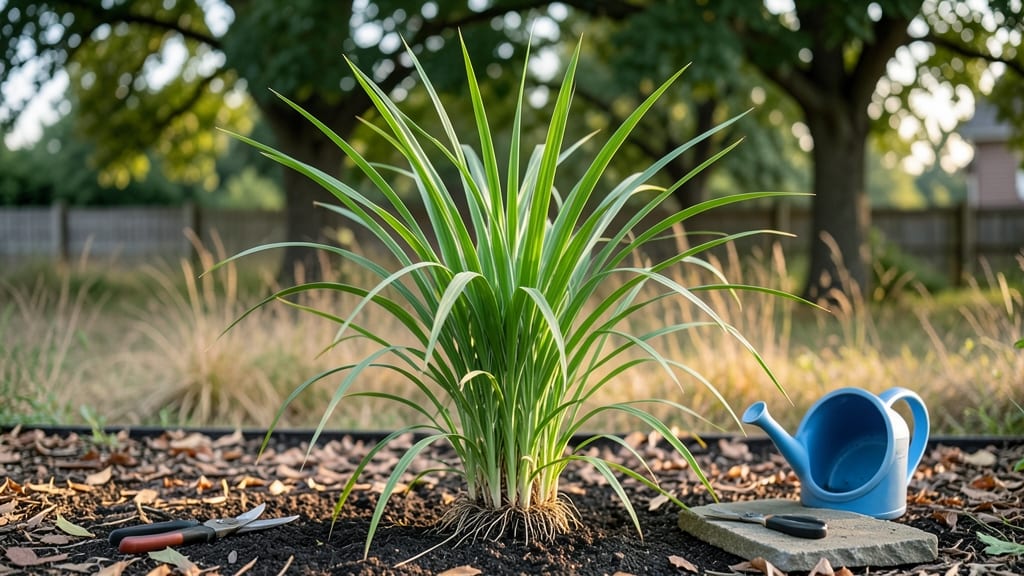
Lemongrass oil flies hate the stuff—it’s the secret weapon in my pest-free garden. 🌿 The zesty citrus scent doesn’t just mask odors; it actively repels fruit flies, houseflies, and even gnats with a potency that lasts for days.
Unlike synthetic sprays, this natural solution works in your kitchen, garden beds, and even around outdoor seating without leaving harsh chemical residues.
Here’s the kicker: you only need three simple ingredients—lemongrass oil, water, and a spray bottle—to create a fly deterrent that outperforms store-bought options.
I’ve tested it on my overripe tomatoes and near the compost pile, where flies usually swarm, and the results are impressive: fewer pests, no sticky traps needed, and a fresh garden scent that lingers. The best part?
It’s 100% organic, so it won’t harm your plants or beneficial insects like bees and ladybugs.
By the end of this, you’ll have a customizable spray that adapts to your biggest fly hotspots—whether that’s your countertop, patio, or vegetable patch. The oil’s strong aroma tricks flies into avoiding the area, and unlike peppermint or eucalyptus, lemongrass won’t fade quickly or leave a lingering minty aftertaste.
Plus, it’s safer for kids and pets once fully dried.
Ready to ditch the flies for good? This method works in 5 minutes or less, and you’ll see results within hours. No more swatting or trapped flies—just a fresh, citrusy barrier that keeps your space fly-free naturally. Let’s make those pests pack their bags!
The Hidden Triggers Behind Attraction
If you’ve ever wondered why flies seem to swarm toward lemongrass oil—despite its refreshing scent—you’re not alone. The answer lies in a mix of chemical signals, fly biology, and even human perception.
While lemongrass oil repels many pests, its unique compounds can sometimes attract certain fly species. Here’s why it happens, broken down by science-backed causes.
Lemongrass oil contains two potent compounds: citral (a mix of geranial and neral) and citronellal. These same molecules also exist in fermenting fruits, spoiled food, and even human sweat—all of which flies associate with food sources or breeding grounds.
- Why it works: Flies have odor receptors tuned to detect decaying organic matter. Citral and citronellal, while citrusy to humans, can trigger a false alarm in their brains, making them investigate further.
- Actionable insight: If flies are drawn to lemongrass oil, dilute it further (e.g., 10-15 drops per cup of water) or pair it with neem oil (which disrupts their pheromone detection).
Some fly species, like fruit flies (Drosophila) and house flies (Musca domestica), rely on pheromones to locate mates or food. Lemongrass oil’s volatile terpenes can mask or mimic these natural signals, causing flies to cluster around the scent source—even if it’s not a food source.
- Why it works: Flies use olfactory cues to navigate. When lemongrass oil disperses into the air, its molecules can overpower weaker pheromone trails, creating a "scent trap."
- Actionable insight: To break this cycle, combine lemongrass oil with clove oil (eugenol), which disrupts fly communication entirely.
Lemongrass oil is often used in warm, humid environments—like kitchens, compost bins, or outdoor patios—where flies thrive. Heat accelerates the evaporation rate of the oil’s active compounds, releasing a stronger, more concentrated scent that flies detect from farther away.
| Condition | Fly Behavior | Solution |
|---|---|---|
| High humidity (70%+) | Flies detect moisture + scent as a breeding signal | Use a fan to disperse oil molecules and reduce humidity near the source |
| Direct sunlight | Heat intensifies scent, making it a stronger attractant | Apply oil in shaded areas or during cooler hours (early morning/evening) |
If lemongrass oil is applied near food spills, pet food bowls, or trash cans, flies may associate the scent with an actual food source. Their brains link the citrus aroma to the nearby organic matter, causing them to land and investigate.
- Why it works: Flies have a memory for scents paired with food. Even a faint trace of sugar or protein near the oil can trigger their feeding instincts.
- Actionable insight:
- ✅ Clean surfaces thoroughly before applying lemongrass oil.
- ✅ Store food in sealed containers and keep trash bins 10+ feet away from oil diffusers.
Not all flies react the same way. Certain species, like the Mediterranean fruit fly (Ceratitis capitata), are genetically predisposed to be drawn to citrus compounds. Their ancestors evolved to locate citrus fruits for breeding, so lemongrass oil’s scent can trigger an instinctive response.
- Why it works: These flies possess specialized receptors for limonene and other citrus terpenes, making them more sensitive to lemongrass oil.
- Actionable insight: For citrus-loving flies, switch to peppermint or eucalyptus oil, which they find repellent.
Banish Those Pesky Flies Naturally
If lemongrass oil flies are buzzing around your space, don’t panic—there are simple, effective ways to keep them away without harsh chemicals. Below, we break down the root causes of these citrus-scented intruders and match them with practical solutions to reclaim your space.
Plus, we’ll share prevention tips to stop them from returning.
Fix: Create a Lemongrass Oil Barrier
Flies are drawn to the scent of lemongrass oil (just like you’re using it as a repellent!). To outsmart them: - 🍳 Mix a DIY spray: Combine 10 drops of lemongrass essential oil with 1 cup of water and 1 tsp of dish soap (as a natural adhesive).
Shake well and spray around doorways, windows, and entry points. The soap helps the oil cling longer. - 👨🍳 Use cotton balls: Soak cotton balls in undiluted lemongrass oil and place them in small dishes near problem areas (like near trash cans or pet bowls).
Replace every 3–4 days for maximum effectiveness. - 🌿 Refresh outdoor zones: If flies are lingering outside, spray a diluted lemongrass-water mix on patio furniture, grills, or garden edges to deter them before they enter.
💡 Pro Tip: Flies hate citrus + peppermint. Add 5 drops of peppermint oil to your spray for an extra repellent punch!
Fix: Neutralize Scents That Draw Them In
Flies are odor-seekers—food scraps, pet food, or even dirty dishes can lure them in. Eliminate the attraction with these steps: - ⏰ Clean up quickly: Wipe down countertops, tables, and floors after meals to remove food residue.
Flies can detect tiny crumbs! - 🗑️ Secure trash bins: Use tight-fitting lids or bags on trash cans, and take them out daily (especially organic waste). - 🐶 Manage pet areas: Store pet food in airtight containers and clean food bowls immediately after use.
A lemongrass oil-soaked rag near the feeding area can also help. - 🌡️ Use an air purifier: If odors persist, a HEPA filter or ozone generator (for small spaces) can help break down airborne scents that attract flies.
✨ Bonus: Simmer lemongrass stalks + citrus peels in water on the stove for 10–15 minutes—the scent repels flies while freshening the air!
Fix: Adjust Your Lemongrass Oil Strategy
Sometimes, too much lemongrass oil can actually attract flies if not applied correctly. Try these tweaks: - 💦 Dilute properly: Never use undiluted lemongrass oil on skin or fabrics—it can irritate and may overpower the space, drawing flies.
Stick to a 1:10 ratio (1 part oil to 10 parts water) for sprays. - 🕒 Rotate repellent zones: If flies are adapting, move your repellent spots every few days to confuse them. - 🌿 Combine with other oils: Mix lemongrass with lavender, eucalyptus, or cedarwood oil (flies dislike these scents too).
Example blend: - 5 drops lemongrass - 3 drops lavender - 2 drops eucalyptus - 1 cup water
🎯 Prevention Tip: Store lemongrass oil in a cool, dark place (like a cabinet) to preserve its potency—weak oil = less repellent power!
Fix: Seasonal Fly-Proofing
Flies are more active in warm, humid weather. Adjust your approach based on the season: - 🌞 Summer: Increase outdoor repellent zones (porches, patios, grills). Hang lemongrass-infused sachets near entryways. - 🍂 Fall: Focus on indoor prevention—flies seek shelter as temps drop.
Place lemongrass oil diffusers near windows. - 🌨️ Rainy seasons: Flies thrive in dampness. Dehumidify problem areas (like basements) and seal cracks where they might nest.
🔥 Quick Fix: Freeze lemongrass oil in ice cubes and place them near fly hotspots (like near a screen door). As they melt, the scent disperses slowly.
To keep lemongrass oil flies away for good, follow this monthly routine:
| Task | How Often | Why It Works |
|---|---|---|
| Spray lemongrass mix on entry points | Weekly | Creates a scent barrier flies avoid |
| Clean trash & pet areas | Daily | Removes food odors that attract them |
| Refresh cotton ball repellents | Every 3–4 days | Maintains strong lemongrass scent |
| Check for gaps/seals | Monthly | Prevents flies from entering indoors |
| Rotate oil blends | Every 2 weeks | Confuses flies’ scent adaptation |
Final Thought: Lemongrass oil flies are easy to outsmart with the right mix of repellent placement, odor control, and seasonal adjustments. By combining these methods, you’ll enjoy your natural fly defense without the unwanted buzzing guests! 🚫🪰
Frequently asked questions
Why do some flies seem to be attracted to lemongrass oil instead of being repelled?
Certain fly species, like fruit flies and Mediterranean fruit flies, are genetically drawn to citrus compounds because their ancestors evolved to locate citrus fruits for breeding. The same molecules in lemongrass oil that repel many pests can trigger a false food signal in their brains. For these flies, try switching to peppermint or eucalyptus oil instead.
How long does a lemongrass oil fly repellent last before needing to be reapplied?
When used as a spray, lemongrass oil repellent typically lasts 2-3 days in indoor environments and 1-2 days outdoors where humidity and heat accelerate evaporation. For longer protection, use cotton ball diffusers (replace every 3-4 days) or combine with neem oil to extend effectiveness.
Is lemongrass oil safe to use around pets and children?
When used properly (diluted and not ingested), lemongrass oil is generally safe around pets and children. Always keep it out of reach and avoid direct application to skin. For extra safety, use it in well-ventilated areas and monitor pets for any sensitivity. The 1:10 dilution ratio (1 part oil to 10 parts water) is considered pet-friendly when used as a spray.
Can I use lemongrass oil to repel flies in my vegetable garden?
Lemongrass oil is excellent for garden fly control. Mix 15 drops of lemongrass oil with 1 cup of water and spray around plant bases, especially near tomatoes, peppers, and citrus trees. Reapply every 2-3 days during peak fly seasons. The oil won't harm plants but will deter flies from laying eggs in your soil.
What's the best way to store lemongrass oil to maintain its fly-repelling power?
Store lemongrass oil in a dark glass bottle away from direct sunlight and heat. Keep it tightly sealed in a cool, dark cabinet (like a pantry) to preserve its potency. When stored properly, high-quality lemongrass oil can maintain its effectiveness for 1-2 years, though its repellent strength may diminish after 6-12 months.