
Lawn
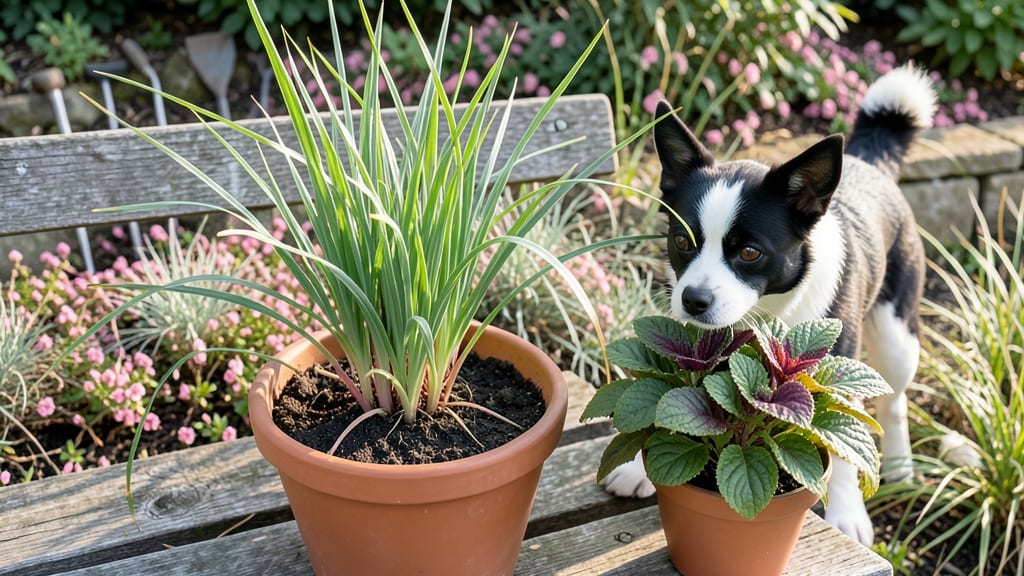
Lemon grass is not safe for pets—it contains citral and other compounds toxic to cats and dogs, causing vomiting, diarrhea, and even liver damage. Avoid exposure and opt for pet-friendly herbs like cat grass or basil instead.
Lemon grass poses serious risks to pets because its essential oils—especially citral—can trigger digestive upset, neurological symptoms, and even organ damage. 🐾 Even small amounts from chewed plants or spilled oils can lead to drooling, weakness, or coordination issues in dogs and cats.
The danger isn't just from ingestion; even the aroma can irritate respiratory systems, making it particularly hazardous for pets with asthma or sensitivities.
If you're concerned about your pet's safety but want fresh herbs in your garden, consider catnip (which cats love) or parsley (safe for both dogs and cats). These alternatives provide similar aromatic benefits without the toxic risks.
Always introduce new plants gradually and monitor your pet's reaction—when in doubt, consult your vet before adding anything new to your home environment.
💡 In This Article
- Toxic Compounds in Lemon Grass and Pet Health Risks
- Pet-Safe Herb Alternatives for Gardens and Homemade Remedies
Toxic compounds in lemon grass and pet health risks
Lemon grass contains citral—a volatile oil that's the primary toxin for pets. This compound belongs to the aldehyde family, which disrupts cellular functions in animals. Cats and dogs lack the liver enzymes to metabolize citral efficiently, causing it to accumulate and trigger toxic reactions.
The essential oil concentration in fresh lemon grass is about 0.5-1.5%, but even small amounts can be dangerous when ingested or inhaled.
The severity of symptoms depends on exposure routes. Chewing on lemon grass stems releases citral directly into the bloodstream, while ingestion of cooked lemon grass (like in Thai curries) can cause delayed but more severe reactions. Dogs are particularly vulnerable because their curious nature often leads to accidental ingestion.
Symptoms typically appear within 6-12 hours and include excessive drooling, vomiting, diarrhea, lethargy, and even seizures in extreme cases. 🐶 The ASPCA reports that liver damage is a common long-term risk, especially in cats, due to their limited ability to process plant toxins.
What makes lemon grass uniquely dangerous is its dual threat: both the plant and its oils pose risks. Even diffused essential oils can irritate a pet's respiratory system, causing coughing or wheezing.
The aroma triggers the same receptors that would warn humans about spoiled food, but pets lack this protective response.
For example, a single 1-gram ingestion of fresh lemon grass (about the size of a dime) can cause noticeable symptoms in a 10-pound dog, while cats may show effects from even smaller amounts due to their smaller size and slower metabolism.
Liver toxicity occurs when citral overwhelms the organ's detoxification pathways. In cats, this manifests as jaundice (yellowing of gums or eyes) and increased thirst, while dogs may develop weakness or collapse.
The mechanism involves oxidative stress—citral generates free radicals that damage liver cells, similar to how certain human medications cause hepatotoxicity. This is why veterinary intervention is crucial if exposure occurs, as supportive care (like IV fluids) may be needed to prevent permanent damage.
Interestingly, the toxicity varies by plant part. The leaves contain the highest citral concentration, followed by the stems, while the roots are relatively safer but still pose risks. This explains why pets that chew on stems (common behavior for curious cats) are more likely to experience severe reactions.
The bright green color and fibrous texture also make lemon grass visually appealing to pets, increasing the likelihood of accidental ingestion.
To put this into perspective, compare lemon grass to basil—a safe alternative for pets. Basil contains no known toxins in similar quantities, and its mild flavor makes it less enticing for pets to ingest.
This stark contrast highlights why pet owners should replace lemon grass with safer options, especially in outdoor gardens where pets have easy access. Always supervise pets around new plants and consider fencing off herb gardens to prevent accidental exposure. 🌿